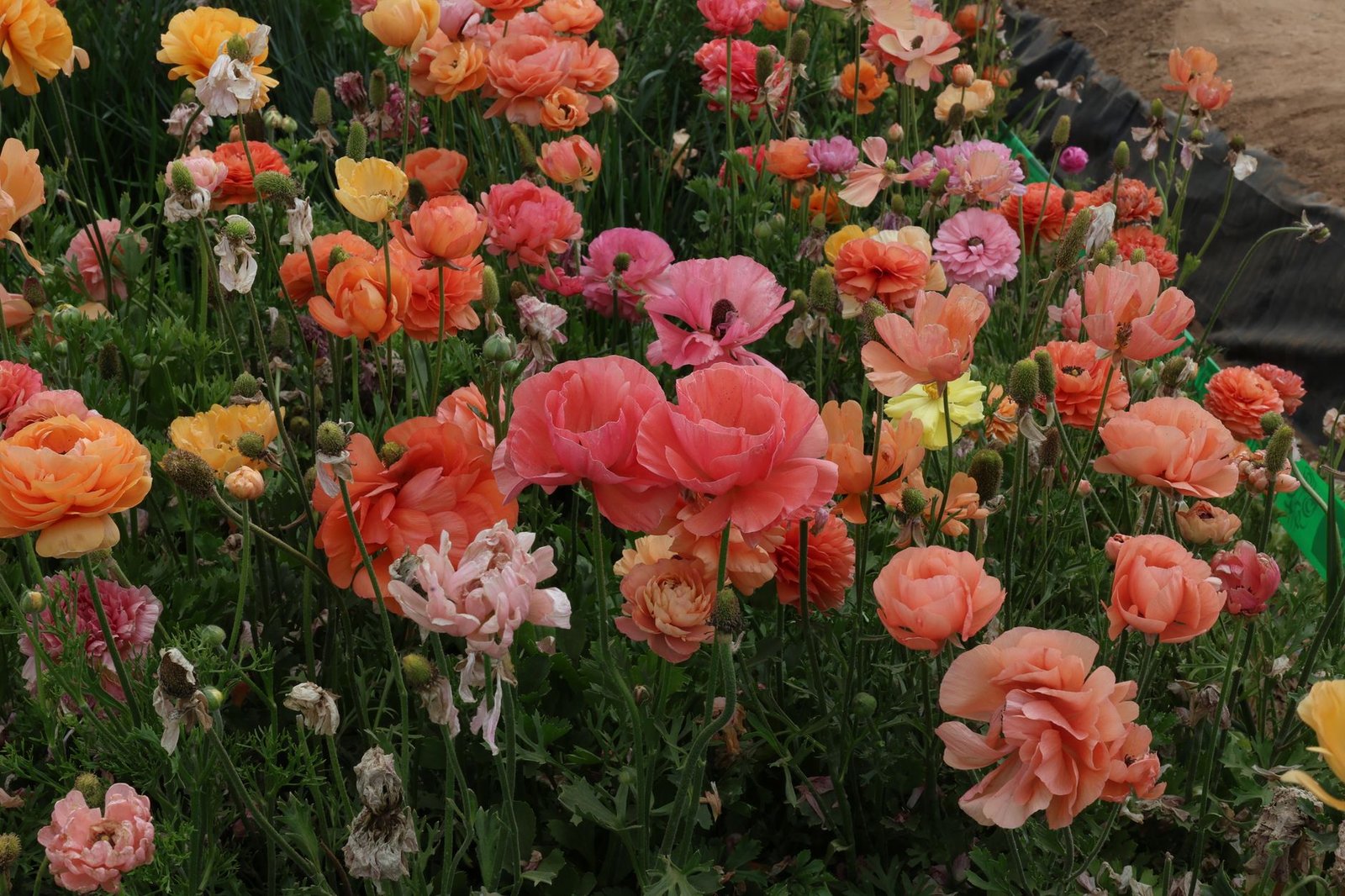
Creating a vibrant cutting garden in 2026 allows the resident to enjoy stunning, long-lasting bouquets directly from the backyard. The top perennial flower varieties for this purpose are those that offer ease of growth, robust blooms, and excellent vase life, ensuring a continuous supply of fresh floral arrangements throughout the growing season. This includes resilient choices such as Echinacea, Salvia, Peonies, and Achillea, all known for their adaptability and visual appeal in contemporary landscapes.
The Enduring Appeal of Perennials for Contemporary Cutting Gardens
Perennial flowers are an invaluable asset to any cutting garden, particularly in 2026, due to their inherent sustainability and reduced maintenance requirements compared to annuals. Once established, these plants return year after year, minimizing the need for replanting and contributing to a more eco-conscious gardening practice. Modern horticultural advancements continue to introduce cultivars with improved disease resistance, extended bloom periods, and unique color palettes, making them even more attractive for the discerning homeowner.
Contemporary trends in landscape architecture emphasize not only aesthetic beauty but also ecological benefits. Perennials often support local ecosystems by attracting pollinators like bees and butterflies, an increasingly important consideration for gardeners. The selection of varieties that thrive in specific climates, including drought-tolerant and native options, aligns with 2026’s focus on resilient and environmentally responsible gardening.
Top Perennial Picks for 2026 Cutting Gardens
Echinacea (Coneflower)
Why it’s a top pick: Echinacea remains a cornerstone for cutting gardens in 2026 due to its distinctive daisy-like flowers and strong, upright stems. Its robustness, drought tolerance, and adaptability to various soil conditions make it a low-maintenance favorite. Modern breeding has introduced an astounding array of colors beyond the traditional purple, including vibrant oranges, yellows, and even green hues, along with fascinating double-flowered forms that add texture to bouquets. These newer cultivars often boast an extended bloom time from early summer into fall, providing continuous material.
Salvia (Meadow Sage)
Why it’s a top pick: Salvia offers long-lasting spikes of brilliant color that are excellent for adding vertical interest to arrangements. Varieties like Salvia nemorosa provide continuous blooms if deadheaded, and their rich blues, purples, and pinks complement a wide range of other flowers. In 2026, improved compact and heat-tolerant varieties are widely available, making them suitable for diverse garden sizes and climates. The fragrant foliage can also add an unexpected sensory dimension to cut flower displays.
Peonies
Why it’s a top pick: The timeless elegance and luxurious, fragrant blooms of Peonies make them essential for high-end floral arrangements. While their bloom period is relatively short, usually in late spring to early summer, their exquisite beauty is unparalleled. Modern developments include more disease-resistant varieties and a broader spectrum of shades, from classic whites and soft pinks to deep burgundies. Tree peonies and intersectional (Itoh) peonies offer unique flower forms and extended bloom sequences, allowing for a longer harvest window for the patient gardener.
Achillea (Yarrow)
Why it’s a top pick: Achillea is valued for its distinctive flat-topped flower clusters that provide excellent texture and a sturdy structural element to bouquets. Its resilience, extreme drought tolerance, and ability to thrive in full sun with minimal care make it a sustainable choice. New cultivars available in 2026 feature a palette ranging from soft pastels to vibrant reds and yellows, and some exhibit stronger stems for better vase performance. It also dries beautifully, offering versatility for dried arrangements.
Leucanthemum (Shasta Daisy)
Why it’s a top pick: The classic white petals and cheerful yellow centers of the Shasta Daisy evoke a sense of nostalgic charm. These vigorous bloomers provide a continuous supply of clean, bright flowers throughout the summer, perfect for filling out bouquets. Contemporary breeding has focused on developing varieties with longer vase life, stronger stems, and even some with unique ruffled or fringed petals, enhancing their appeal for cutting. Their uncomplicated beauty makes them a reliable staple.
Liatris (Blazing Star)
Why it’s a top pick: Liatris offers striking vertical accents with its bottle-brush-like purple or white flower spikes. It’s an excellent choice for adding unique form and texture to arrangements and is a magnet for pollinators. Extremely hardy and drought-tolerant once established, Liatris is a low-maintenance option for the cutting garden. Newer, more compact cultivars are ideal for gardens with limited space, while still providing ample material for cutting.
Astilbe
Why it’s a top pick: For shaded cutting gardens, Astilbe is an invaluable resource, providing feathery plumes in shades of pink, red, purple, and white. These graceful flowers add an airy, delicate texture to bouquets. While traditionally preferring moist, shady conditions, newer varieties exhibit improved tolerance to sun and drier conditions, broadening their applicability in diverse garden settings in 2026. Their unique texture and vibrant colors are particularly striking.
Cultivating a Thriving 2026 Cutting Garden: Trends and Techniques
Modern Garden Design and Integration
In 2026, the cutting garden is often seamlessly integrated into the overall landscape, rather than being relegated to a utilitarian plot. Thoughtful placement ensures aesthetic appeal even when flowers are harvested. Incorporating raised beds or modular planting systems allows for efficient management and easy access, aligning with modern landscape design principles that prioritize both form and function.
Sustainable Practices for 2026
Soil Health: The foundation of a successful cutting garden is healthy soil. In 2026, there is an increased emphasis on enriching soil with biochar-amended compost, which improves water retention, nutrient availability, and overall soil structure. Regular soil testing, often utilizing advanced home kits, guides precise nutrient application, minimizing waste. Slow-release organic fertilizers are preferred for their environmental benefits.
Water Management: Water conservation remains a critical concern. Smart irrigation systems equipped with soil moisture sensors and weather integration are becoming standard, ensuring plants receive water only when necessary. Sub-surface drip irrigation is a highly efficient method for delivering water directly to the root zone, reducing evaporation and fungal issues on foliage.
Pest and Disease Management: An Integrated Pest Management (IPM) approach is paramount. This involves monitoring for pests, encouraging beneficial insects, and using targeted, environmentally friendly treatments only when necessary. Genetic advancements in 2026 continue to yield new perennial cultivars with natural resistance to common diseases and pests, significantly reducing the need for chemical interventions.
Harvesting and Vase Life Extension
Proper harvesting techniques are crucial for maximizing vase life. Flowers should be cut in the cool morning hours, just as their buds begin to open, ensuring optimal hydration. Stems should be immediately plunged into water. Removing lower foliage that would sit below the waterline prevents bacterial growth. Utilizing commercial or homemade flower food, with a focus on biodegradable formulations in 2026, provides essential nutrients and inhibits bacterial proliferation, extending the enjoyment of the freshly cut blooms for the resident.
Conclusion
For the homeowner desiring a consistent source of fresh, beautiful bouquets, a cutting garden featuring the best perennial flowers of 2026 offers both aesthetic pleasure and environmental benefits. By selecting resilient, easy-to-grow varieties and employing modern, sustainable gardening practices, individuals can cultivate a thriving floral haven. The continuous availability of homegrown blooms not only enhances indoor spaces but also fosters a deeper connection to the natural world, reinforcing the principle that domestic comfort often begins in the garden.