
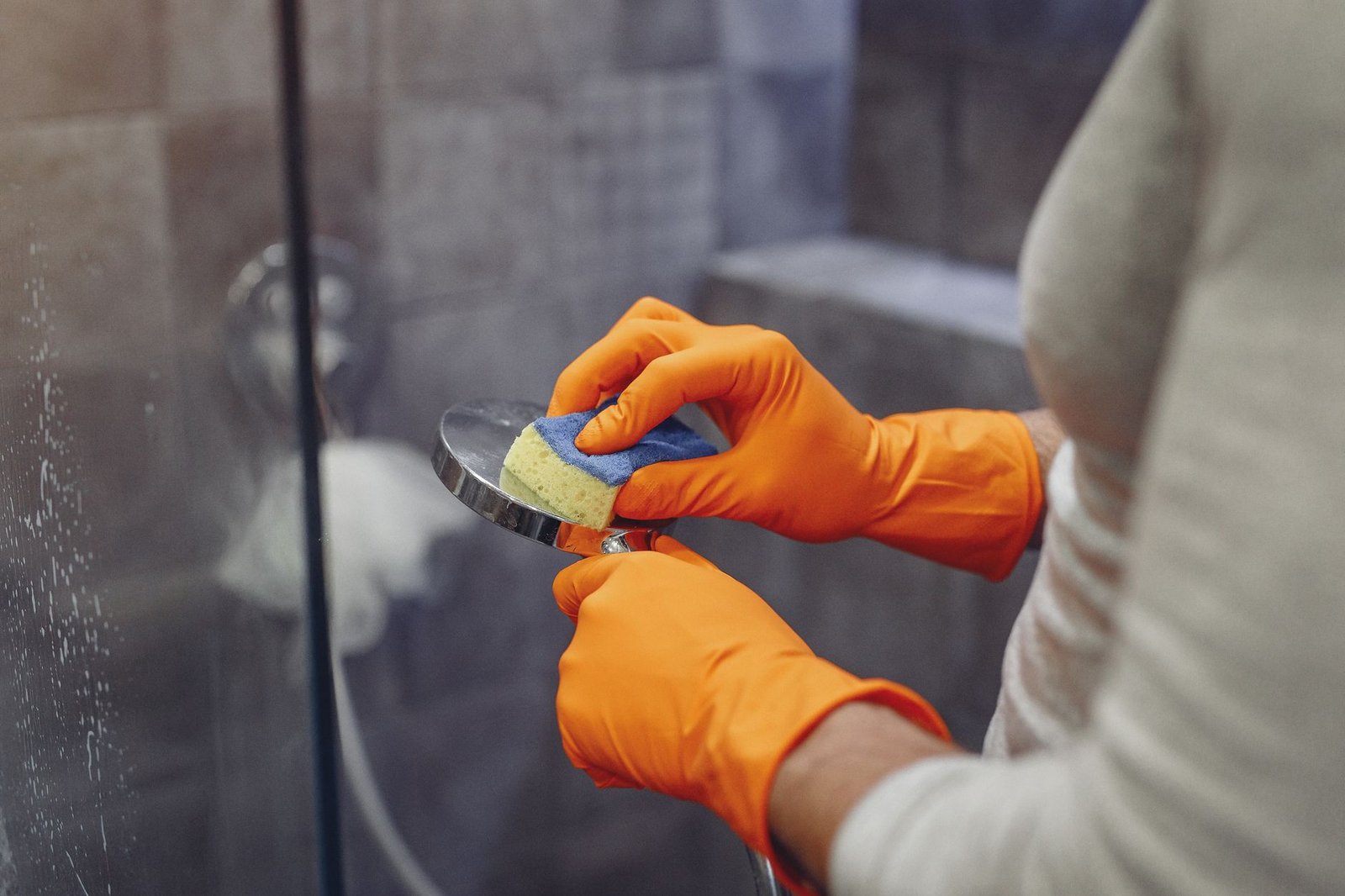
Hard water spots on bathroom and kitchen fixtures can be a persistent source of frustration, marring the otherwise pristine surfaces of a meticulously maintained home. These unsightly mineral deposits, primarily calcium and magnesium, are the bane of sparkling faucets, shower doors, and sinks, leaving behind a dull, chalky residue. Fortunately, achieving a spot-free shine doesn’t require harsh chemicals. In 2026, with an increased focus on sustainable living and indoor air quality, homeowners are increasingly seeking gentle yet highly effective methods. This article explores five eco-friendly cleaning hacks that will tackle stubborn hard water spots, leaving fixtures gleaming and contributing to a healthier living environment.
Understanding Hard Water Spots in the Modern Home
The prevalence of hard water is a widespread issue, affecting a significant portion of homes globally. When water evaporates, it leaves behind dissolved minerals, creating the familiar spots. In 2026, with advancements in fixture design and materials, the need for careful cleaning is paramount. Modern finishes such as matte black, brushed nickel, and PVD (Physical Vapor Deposition) coatings, while durable and aesthetically pleasing, can sometimes show hard water marks more prominently than traditional chrome. Similarly, premium engineered stone countertops and recycled glass tiles require methods that preserve their integrity without etching or discoloration.
The current landscape of home wellness emphasizes non-toxic solutions. The resident population is more aware of the chemicals brought into their living spaces and their potential impact on health and the environment. This shift fuels the demand for cleaning approaches that are both effective against tough stains and kind to the planet, aligning perfectly with the eco-friendly hacks presented here.
The Eco-Friendly Arsenal: 5 Hacks for 2026
1. White Vinegar: The Acidic Powerhouse
White vinegar remains a cornerstone of natural cleaning due to its acetic acid content, which effectively dissolves mineral deposits. For faucets and showerheads, a simple solution of equal parts white vinegar and water can be sprayed directly onto the affected area. Allow it to sit for 15-30 minutes, or for more stubborn buildup, a cloth soaked in pure vinegar can be wrapped around the fixture. For shower doors or large tiled surfaces, the mixture can be applied with a sponge. After sufficient dwell time, simply wipe away the loosened minerals with a clean microfiber cloth and rinse thoroughly. This method is particularly effective for newer matte finishes, provided contact time is monitored and surfaces are rinsed completely.
2. Baking Soda Paste: Gentle Abrasive Action
For more textured surfaces or slightly etched spots, baking soda offers a mild abrasive that can scrub away deposits without scratching. A paste can be created by mixing baking soda with a small amount of water until it reaches a thick consistency. This paste can then be applied to sinks, bathtub surfaces, or even chrome fixtures, using a soft cloth or sponge to gently scrub the affected areas. The resident should allow the paste to sit for a few minutes before scrubbing. The alkaline nature of baking soda can also help neutralize lingering odors while tackling the mineral buildup. This approach is safe for most composite sinks and newer ceramic tiles.
3. Lemon Juice and Salt: Nature’s Scrubber
Lemon juice, rich in citric acid, is another excellent natural descaler that also imparts a fresh scent. When combined with fine salt, it creates a gentle scrubbing agent. A half lemon dipped in salt can be directly rubbed onto hard water spots on chrome, stainless steel, or porcelain. The salt provides the necessary abrasion, while the lemon juice works to break down the mineral bonds. This hack is ideal for smaller, localized spots and provides a satisfying polish. After scrubbing, the area should be rinsed thoroughly with water and dried with a clean cloth. This method is especially beneficial for stainless steel appliances and fixtures that have become dulled by water spots.
4. Advanced Microfiber and Steam: Mechanical Precision
For ongoing maintenance and lighter hard water film, the combination of advanced microfiber cloths and steam technology is incredibly effective and entirely chemical-free. Modern microfiber textiles are engineered with microscopic fibers that can trap and lift dirt and minerals with just water. A damp microfiber cloth can often polish away fresh water spots and streaks from glass and polished surfaces. For more ingrained marks or for sanitizing, compact, efficient steam cleaners available in 2026 can loosen mineral deposits with high-temperature steam. The steam softens the buildup, allowing it to be easily wiped away with a dry microfiber cloth, ensuring a streak-free, disinfected finish without any chemical residue. This approach is highly compatible with smart faucets and touch-sensitive surfaces, avoiding potential damage from chemical sprays.
5. Targeted Eco-Formulas: When DIY Needs a Boost
While DIY solutions are powerful, some extremely stubborn hard water stains, especially those neglected over time, may require a bit more assistance. For such instances, the market in 2026 offers highly effective eco-friendly cleaning formulas. When selecting a product, the homeowner should look for certifications from reputable environmental organizations (e.g., EPA Safer Choice, Ecocert) and prioritize formulas that are biodegradable, plant-derived, and free from phosphates, parabens, and synthetic fragrances. Many of these products utilize concentrated citric acid or lactic acid for descaling, ensuring efficacy without compromising health or environmental standards. Always conduct a patch test on an inconspicuous area before applying any commercial product to an entire surface, particularly on new or specialized finishes like PVD coatings or custom ceramic glazes.
Preventative Measures and Long-Term Strategies
Beyond active cleaning, consistent prevention is key to minimizing hard water spot formation. One of the simplest and most effective strategies is to wipe down surfaces immediately after use. Keeping a squeegee in the shower encourages the resident to clear water from glass doors and tiles, dramatically reducing mineral accumulation. For faucets and sinks, a quick wipe with a dry microfiber cloth after each use can prevent spots from setting.
For homes with significantly hard water, a whole-house water softening system can be a long-term investment that eliminates the problem at its source, protecting not only fixtures but also appliances. Alternatively, point-of-use filters can be installed for specific problem areas, such as a shower head filter. Regular, proactive maintenance, rather than reactive deep cleaning, is the most sustainable and efficient approach to keeping a home’s fixtures sparkling.
By adopting these eco-friendly cleaning hacks and preventative measures, the homeowner can effectively combat hard water spots in 2026. These methods not only ensure gleaming fixtures and a pristine home aesthetic but also align with a commitment to environmental stewardship and healthier indoor living spaces. The path to a truly comfortable and sparkling home is both simple and sustainable.