
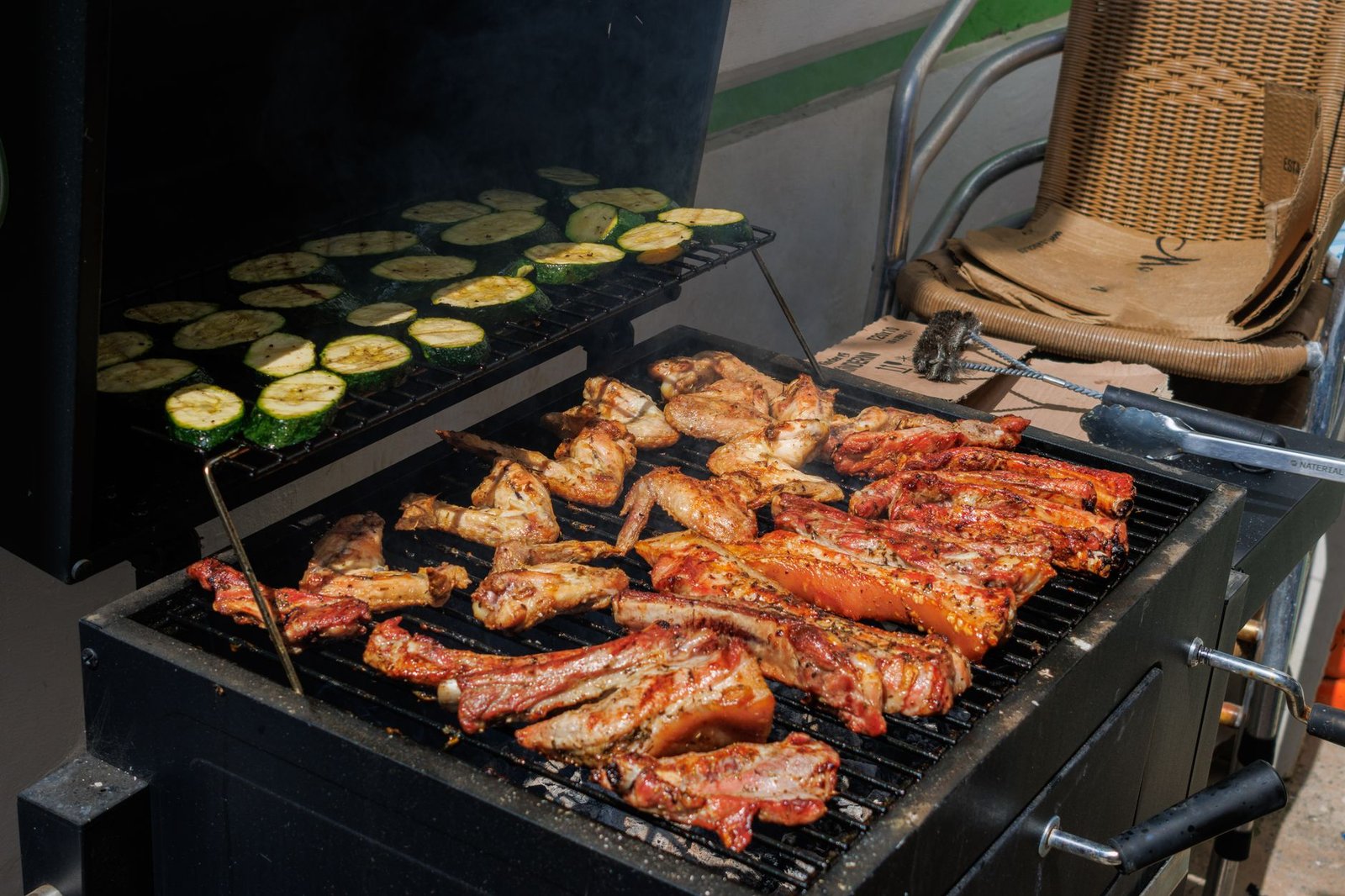
When considering outdoor culinary experiences, a central debate often revolves around the choice between charcoal and propane grills. For those prioritizing an unparalleled depth of smoky flavor, charcoal grilling traditionally holds an edge, attributed to the combustion of wood. However, modern propane systems, enhanced with 2026 innovations, are significantly narrowing this flavor gap while offering unmatched convenience, making the ultimate decision dependent on the homeowner’s specific priorities regarding taste, effort, and technological integration.
The Flavor Frontier: Unpacking Taste Profiles
The quest for superior flavor is often the driving force behind a grill purchase. Both charcoal and propane offer distinct culinary experiences, but the mechanisms by which they impart taste differ significantly, especially with contemporary advancements.
Charcoal: The Timeless Smoke Infusion
Charcoal grilling provides a unique and deeply satisfying flavor profile, primarily due to the smoke produced during combustion. When fats and juices drip onto the hot coals, they vaporize, and this flavorful vapor circulates around the food, imbuing it with a complex, smoky essence. This process, combined with the intense radiant heat, promotes the Maillard reaction and caramelization, creating a desirable crust and rich internal flavors. In 2026, advancements in sustainable lump charcoal sourcing emphasize specific hardwood varieties – such as oak, hickory, and mesquite – each offering distinct smoke notes. High-performance kamado-style grills, crafted from advanced ceramics with superior thermal retention, further optimize this process, allowing for precise low-and-slow smoking techniques that maximize flavor penetration while maintaining moisture.
Propane: Modern Innovations in Taste Enhancement
While propane is a cleaner-burning fuel, inherently producing less smoke, modern propane grills in 2026 have made remarkable strides in flavor enhancement. Innovations such as heavy-gauge stainless steel flavorizer bars are designed to vaporize drippings, creating a flavorful plume that mimics the effects of charcoal. Integrated smoke boxes, now commonly found in premium models, allow for the addition of wood chips or pellets directly over the burners, introducing authentic smoke flavor without the charcoal setup. Advanced infrared burners provide ultra-high heat for searing, creating a perfect crust that locks in juices and develops rich umami flavors. Furthermore, smart grill technologies enable hyper-precise temperature control, ensuring optimal cooking conditions that prevent drying out and allow for consistent flavor development across various foods. The combination of these features allows the resident to achieve nuanced flavor profiles that were once exclusive to charcoal.
Beyond Flavor: Ease of Use and Grilling Experience
Flavor is paramount, but the overall grilling experience—encompassing setup, control, and cleanup—is a critical factor for modern homeowners seeking both culinary excellence and practical convenience.
Charcoal Grilling: A Ceremonial Approach
Charcoal grilling is often described as a more involved, almost ritualistic process. It typically requires more time for setup, including lighting the coals, waiting for them to ash over, and arranging them for direct or indirect heat. Temperature control, while highly effective once mastered, relies on adjusting vents and coal placement, demanding a certain level of skill and attention. Cleanup involves managing ash, which can be messy. However, the satisfaction derived from this hands-on process is immense for many enthusiasts. Modern advancements include improved chimney starters, often with integrated fan assistance for faster ignition, and sophisticated ash collection systems that simplify disposal, enhancing the overall user experience without compromising the traditional feel.
Propane Grilling: Convenience Redefined
Propane grills excel in convenience. They offer instant ignition with the push of a button, rapid preheating, and precise temperature adjustments via intuitive knob controls. Many 2026 models feature integrated smart sensors that provide real-time temperature feedback and even remote monitoring capabilities via smartphone applications. Cleanup is significantly easier, with minimal residue beyond food particles on the grates. Propane grills also offer versatile cooking zones, often including side burners for sauces or sautéing, and rotisserie attachments for even cooking. The primary consideration is ensuring a sufficient supply of propane, with some modern grills including integrated fuel gauges and even smart notifications for low tank levels, ensuring the homeowner is never caught unprepared.
Material Science and Longevity in 2026
The durability, efficiency, and sustainability of grilling equipment are increasingly important considerations for homeowners in 2026, driven by advancements in material science and a focus on environmental impact.
Durability and Maintenance
Modern grill construction has evolved significantly. Charcoal grills, particularly premium models, feature heavy-gauge stainless steel bodies (often 304 or 316-grade for superior corrosion resistance) and thick cast-iron grates that retain heat exceptionally well. Ceramic kamado grills boast incredible insulation and heat retention, with advanced glazes designed to withstand extreme temperatures and resist cracking. Enhanced ash management systems, including larger, easily removable ash pans, make maintenance simpler and less frequent. For propane grills, the emphasis is on high-quality stainless steel components, from the burners to the cooking grates and exterior housing, ensuring longevity and resistance to outdoor elements. Burner designs in 2026 prioritize even heat distribution and resistance to flare-ups, often utilizing durable alloys. Integrated smart diagnostics can even monitor component health, advising the resident on preventative maintenance.
Sustainability and Efficiency
Sustainability is a growing factor. For charcoal, the focus is on responsibly sourced lump charcoal, often from managed forests, and on efficient grill designs that maximize heat transfer and minimize fuel consumption. Ceramic grills are particularly efficient due to their insulation. Propane is a cleaner-burning fossil fuel compared to some alternatives, and modern propane burners are engineered for maximum fuel efficiency, reducing overall consumption. The industry is also exploring and developing compatibility with renewable biogas or bio-propane alternatives for future models, offering even greener grilling options for the environmentally conscious homeowner in 2026.
Ultimately, the choice between charcoal and propane in 2026 hinges on a homeowner’s priorities. For those who cherish the rich, smoky depth that only direct wood combustion can provide, and who enjoy the hands-on involvement of the grilling process, charcoal remains the champion. However, for residents seeking unparalleled convenience, precise control, and increasingly sophisticated flavor-enhancing features, modern propane grills offer a compelling and highly capable alternative. Both options promise exceptional outdoor culinary experiences, but the ideal grill is the one that best aligns with the individual’s lifestyle and culinary aspirations.