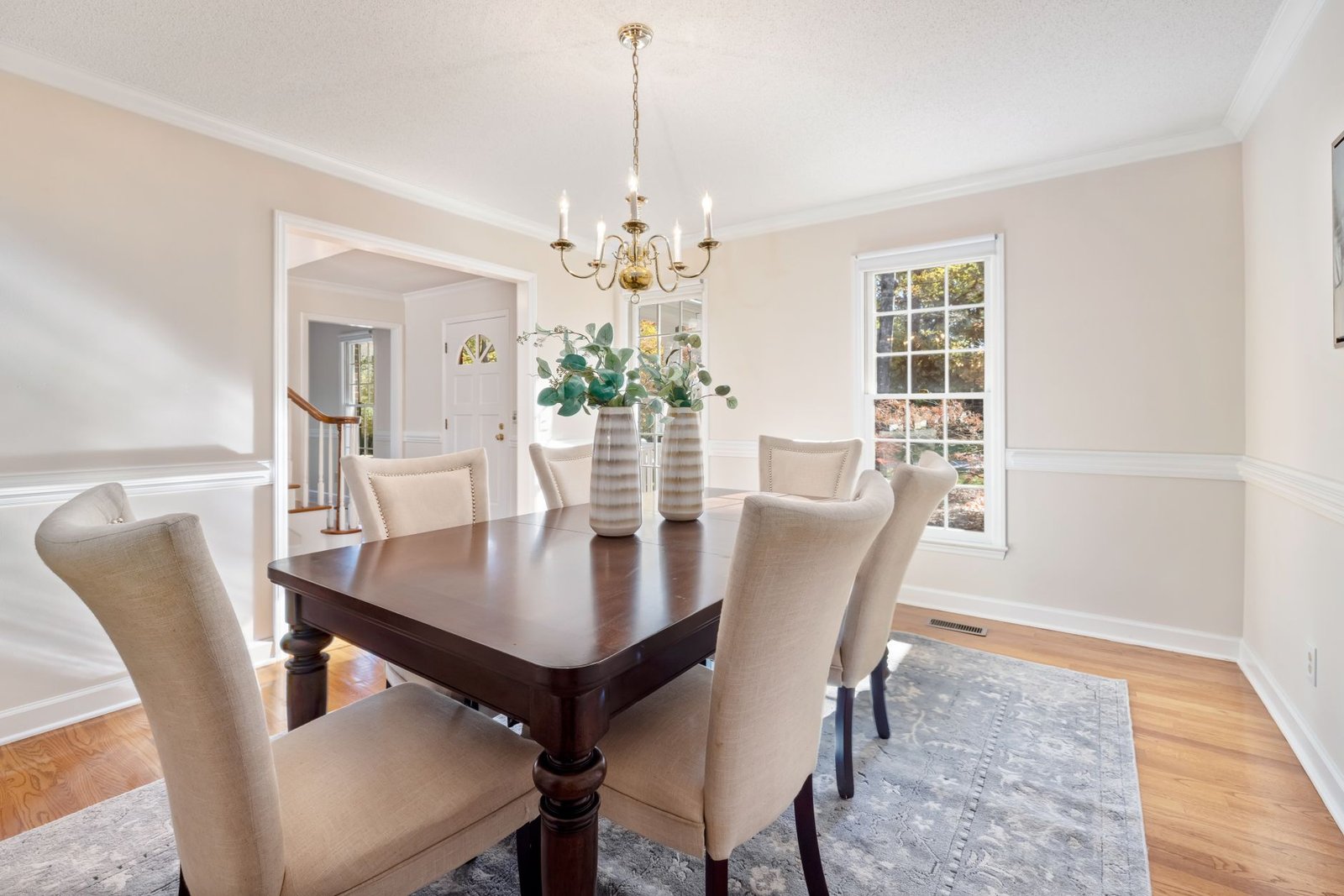
Formal dining rooms, often perceived as stiff and uninviting, no longer serve the adaptable living needs of modern households. To transform such a space into a welcoming and comfortable area for both everyday use and special gatherings, strategic design adjustments are essential. By implementing specific design techniques and embracing current industry trends, a stiff dining area can become a hub of domestic comfort, offering an inviting atmosphere for both residents and their guests in 2026.
Rethinking Furniture & Layout for Approachability
The foundation of a cozy dining space begins with intentional furniture choices and a thoughtful layout that encourages relaxation rather than rigid formality.
1. Embrace Mismatched Seating & Flexible Tables
Breaking the uniformity of a traditional dining set is a powerful step towards a cozier environment. Consider introducing a mix of seating styles: upholstered armchairs at the table ends, a comfortable bench along one side, and perhaps lighter, more contemporary chairs for the remaining positions. This variety visually softens the space and offers diverse comfort levels. For 2026, modular dining tables are gaining prominence. These versatile pieces can expand or contract to suit varying guest numbers or even be reconfigured for different uses, embodying flexibility. Sustainably sourced wood and recycled metal bases are preferred materials, aligning with current eco-conscious design philosophies.
2. Opt for Softer Color Palettes & Textured Walls
Moving away from stark or overly bold color schemes can immediately impact the perceived warmth of a room. Warm neutrals, earthy greens, soft blues, and muted terracotta are prevailing color trends for 2026, creating a serene and inviting backdrop. Furthermore, textured wall treatments add significant depth and character. Options like limewash finishes, subtly patterned wallpapers (especially those made from sustainable, PVC-free materials), or even fabric wall panels can create an immediate sense of enclosure and comfort, making the space feel more intimate and less cavernous.
Strategic Textures & Soft Furnishings
Tactile elements play a crucial role in creating a sense of warmth and comfort, inviting residents to linger longer.
3. Integrate Area Rugs for Defined Coziness
A well-chosen area rug serves multiple purposes in a dining room. It grounds the furniture arrangement, visually defining the dining zone within an open-plan space. Beyond aesthetics, a rug absorbs sound, contributing to a more intimate acoustic environment, and adds luxurious warmth underfoot. For 2026, large rugs crafted from sustainable materials such as recycled PET, jute, sisal, or ethically sourced wool are highly sought after. Opting for low-pile or flatweave designs ensures ease of cleaning, a practical consideration for a dining setting.
4. Introduce Organic Textures and Biophilic Elements
Bringing elements of the natural world indoors is a cornerstone of biophilic design, a trend that continues to flourish in 2026. This can be achieved through a variety of materials and accents. Think linen tablecloths, woven placemats, wooden serving bowls, and ceramic dinnerware with organic glazes. Incorporating live plants, whether through a large indoor tree, a collection of potted botanicals, or even a modest living wall, injects freshness and vitality. These natural touches connect the resident with nature, enhancing overall well-being and reducing feelings of formality.
Lighting & Ambiance for Intimacy
The right lighting can dramatically transform the mood of a dining room, shifting it from sterile to serenely inviting.
5. Layer Warm, Dimmable Lighting
Harsh, singular overhead lighting is a common culprit in formal dining rooms. To counter this, a layered lighting strategy is essential. A softer, central pendant fixture can be complemented by wall sconces, accent lighting to highlight artwork, and perhaps even small table lamps on a nearby credenza or sideboard. Human-centric lighting systems, easily controllable via smart home platforms, are a key trend for 2026, allowing for precise adjustments in color temperature and brightness. Warm-toned LED filaments are popular for creating an inviting glow suitable for any occasion, from a casual breakfast to an evening gathering.
Integrating Nature & Personal Touches
Injecting personality and subtle technological enhancements ensures the dining space feels truly custom and comfortable.
6. Personalize with Art & Curated Displays
Rather than relying on overly formal, matching decorative sets, a thoughtfully curated collection of art and personal objects imbues a dining room with character and warmth. The resident can showcase art, family photographs, or sculptural pieces that resonate with their individual tastes. The focus should be on pieces with organic forms or abstract expressions, which contribute to a softer aesthetic. For 2026, there is a preference for sustainable framing options and art from local or emerging artists, adding unique narratives to the space. This approach makes the room feel lived-in and deeply personal.
7. Integrate Smart Technology Subtly
Modern convenience does not have to detract from a cozy atmosphere; rather, it can enhance it when integrated discreetly. Smart technology for climate control, ambient sound (via hidden speakers for background music), and the aforementioned lighting systems can be seamlessly incorporated. Control panels should be unobtrusive, or managed primarily through a smartphone or voice commands, ensuring that the technology serves to enhance comfort and functionality without introducing visual clutter or a futuristic aesthetic. This allows the dining room to adapt effortlessly to the resident’s needs, maintaining its welcoming design integrity.
Transforming a formal dining room into a cozy, inviting space is achievable by thoughtfully applying these design principles. By embracing flexible furniture, natural textures, layered lighting, and personalized touches, the resident can create a dining area that feels genuinely comfortable and encourages connection, adapting beautifully to the multifaceted demands of 2026 living.