Determining whether clear bins or opaque containers offer superior visual organization in 2026 largely depends on the specific organizational goal and the aesthetic preferences of the resident. While clear containers promote immediate item visibility, opaque options excel at maintaining a streamlined, clutter-free appearance by concealing contents. The optimal choice often involves a strategic blend of both, tailored to different areas within the home, as modern trends emphasize both efficiency and serene aesthetics.
The Rise of Visual Clarity: Clear Storage Solutions in 2026
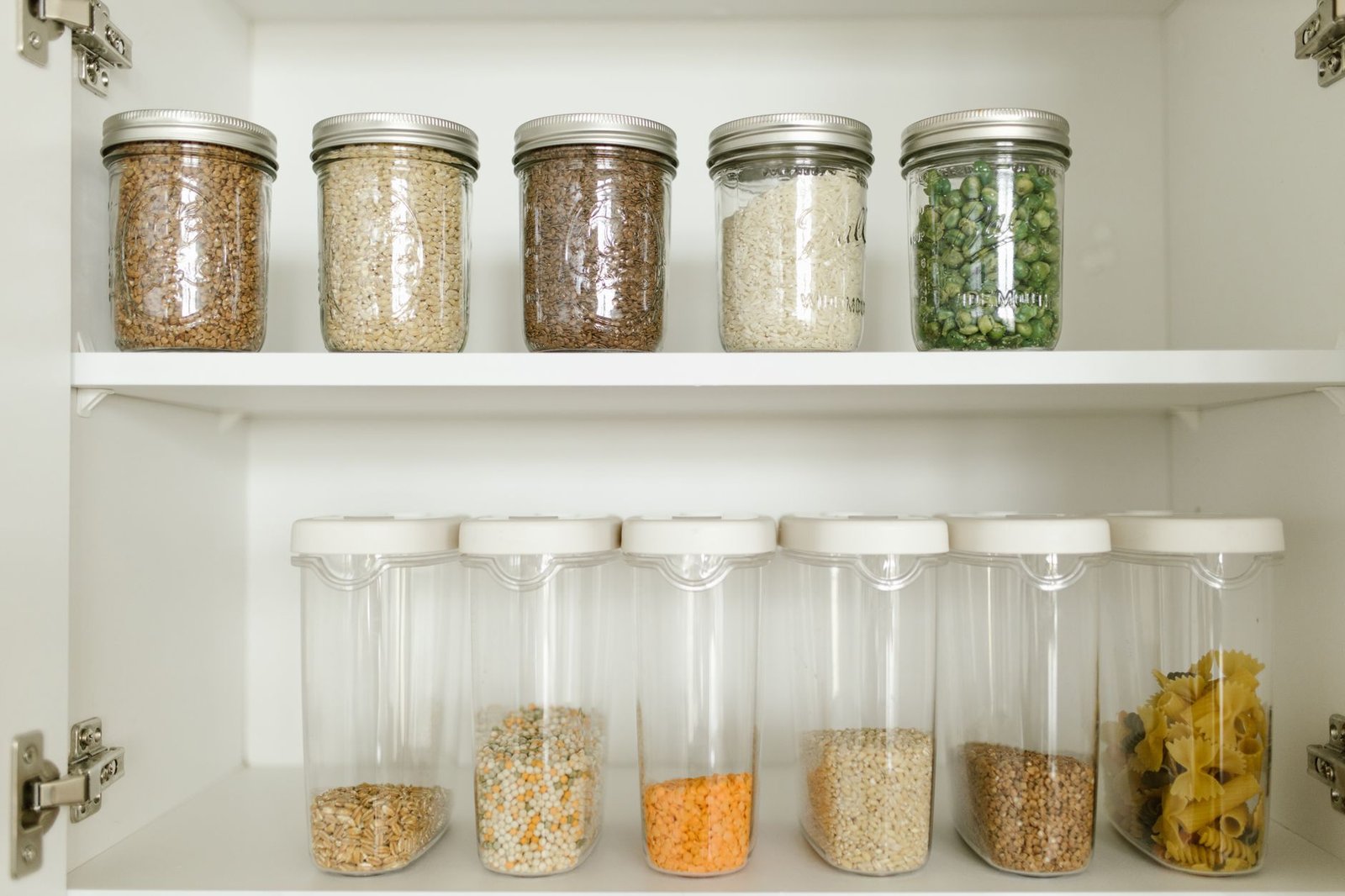
Clear storage containers remain a cornerstone of effective home organization, particularly for areas where quick item retrieval is paramount. The transparency allows for an instant visual inventory, significantly reducing the time spent searching for specific items. In 2026, advancements in material science have brought forth ultra-durable, scratch-resistant recycled PET (rPET) and new bio-based clear polymers that offer superior clarity and impact resistance compared to earlier acrylic or basic plastic options. Borosilicate glass containers with air-tight seals, often paired with sustainable bamboo or acacia lids, also continue to be a premium choice for pantry and kitchen organization due to their non-reactive properties and sophisticated aesthetic.
Advantages of Clear Containers
- Immediate Identification: The contents are visible at a glance, eliminating the need for extensive labeling or opening multiple containers. This is particularly beneficial in high-traffic areas like pantries, refrigerators, and craft rooms.
- Reduced Waste: By keeping items visible, forgotten perishables or seldom-used supplies are less likely to expire or go unused, promoting mindful consumption.
- Perceived Openness: Clear containers can make a space feel larger and less cluttered than solid units, especially in smaller areas or on open shelving, contributing to a modern, minimalist aesthetic.
- Versatility: They seamlessly integrate into various decor styles, allowing the contents themselves to contribute to the visual appeal, such as colorful dry goods in a pantry.
Considerations for Clear Container Use
While highly functional, clear containers demand a degree of internal tidiness. Any disarray within the container becomes immediately apparent, potentially negating the organizational benefit and creating visual clutter. For this reason, careful arrangement of items inside is crucial. Furthermore, certain items, such as sensitive photographs, medications, or specific textiles, may benefit from being shielded from light, which clear containers do not provide. UV-resistant clear options are emerging in 2026, but are not yet standard across all product lines.
The Allure of Discretion: Opaque Storage Solutions in 2026
Opaque storage containers, by contrast, offer a sophisticated solution for concealing items that might otherwise contribute to visual noise or require light protection. Their solid facades create a uniform, streamlined appearance, ideal for achieving a minimalist or cohesive aesthetic. In 2026, new developments in opaque materials include a wider array of matte-finish bioplastics derived from renewable resources, recycled HDPE with improved durability, and powder-coated metals featuring advanced scratch and chip resistance. These materials are available in diverse textures and muted color palettes, aligning with contemporary interior design trends that favor natural and calming tones.
Benefits of Opaque Containers
- Visual Cohesion: They create a clean, uninterrupted look, allowing the resident to hide mismatched items or sensitive belongings, thereby enhancing the overall serenity of a space.
- Protection: Opaque containers shield contents from light, dust, and curious eyes, making them suitable for storing delicate textiles, important documents, or personal items.
- Reduced Visual Clutter: By concealing what’s inside, opaque containers offer an immediate sense of order and calm, particularly effective in open-plan living areas or on visible shelving.
- Aesthetic Flexibility: Available in a vast array of colors, textures, and designs, opaque containers can act as decorative elements themselves, contributing to the room’s decor scheme.
Navigating Opaque Container Challenges
The primary drawback of opaque containers is the inability to see their contents directly. This necessitates a robust labeling system to prevent constant opening and searching, which can negate the time-saving aspect of organization. Without proper labeling, items can easily be forgotten or become difficult to locate, leading to frustration and potential re-purchase of existing items. The resident must commit to a system, whether through physical labels, digital inventories (e.g., QR code tracking, a growing trend in 2026), or consistent item placement.
2026 Trends & Material Innovations
The year 2026 emphasizes sustainable practices and integrated technology in home organization. Material innovations are at the forefront, with a significant push towards recycled and rapidly renewable resources. Manufacturers are increasingly using ocean-bound plastics and plant-based polymers not just for opaque options, but also for clear variants that maintain high optical clarity. The focus is on longevity, repairability, and end-of-life recycling for all storage solutions.
Sustainable & Smart Storage
Modern consumers are prioritizing eco-conscious choices. This translates into a demand for storage solutions made from post-consumer recycled content, certified sustainable wood, and innovative bioplastics with reduced environmental footprints. Additionally, ‘smart’ storage solutions are gaining traction. This includes modular systems designed for maximum adaptability, and containers with embedded QR codes or RFID tags that allow the homeowner to digitally catalog contents, track inventory, and even receive alerts for expiry dates via companion apps. This digital layer significantly mitigates the ‘forgotten items’ issue associated with opaque containers.
The Hybrid Approach
A notable trend in 2026 is the adoption of hybrid storage solutions. These designs often feature opaque bodies with clear viewing windows, or modular systems where clear drawers can be combined with opaque shelving units. This approach allows for the best of both worlds: the discreet organization of opaque containers combined with the visual accessibility of clear ones. For instance, a pantry might utilize opaque bins on lower shelves for bulk items, while clear canisters reside on eye-level shelves for frequently used dry goods.
Making the Informed Choice for Modern Homes
Ultimately, the decision between clear and opaque storage containers, or a combination thereof, should be guided by the specific context of the space and the individual’s organizational style. For areas requiring immediate visual access and where internal neatness can be maintained, such as a baking pantry or a children’s art supply station, clear containers excel. In contrast, spaces where a calm, uncluttered aesthetic is paramount, or where items need light protection, such as a linen closet, home office, or utility room, are ideal candidates for opaque solutions.
Aesthetic Alignment and Functional Needs
A balanced approach often yields the most effective and aesthetically pleasing results. For example, within a kitchen pantry, transparent containers can be utilized for grains, pasta, and snacks, allowing for quick checks of inventory. Meanwhile, opaque bins can house less attractive items like cleaning supplies, bulk paper goods, or backup supplies on lower shelves. In a closet, opaque drawers or bins can neatly store seasonal clothing or personal accessories, while clear shoe boxes or shelf dividers allow for easy identification of footwear or small items. The key is to analyze the function of the space, the nature of the items being stored, and the desired visual impact.
By thoughtfully integrating both clear and opaque storage solutions, the homeowner can leverage the strengths of each, creating a highly organized, functional, and visually harmonious environment that aligns with contemporary living standards and personal preferences in 2026. The strategic use of these tools ensures both practical efficiency and a desired aesthetic outcome, transforming clutter into calm.