
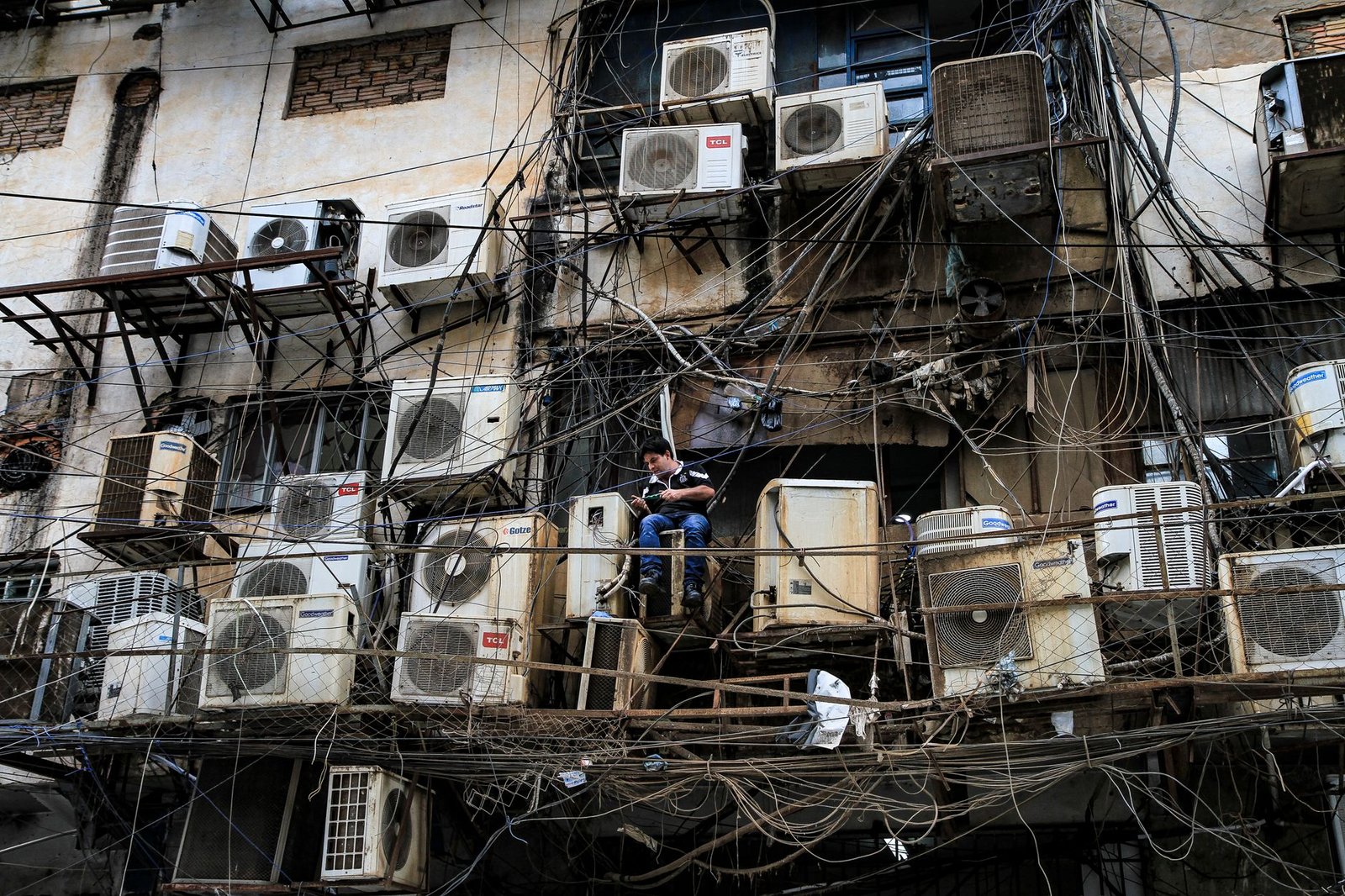
For managing indoor humidity levels in 2026, the choice between a dedicated dehumidifier and an air conditioner depends largely on specific environmental conditions and primary objectives. While air conditioners inherently reduce humidity as a byproduct of cooling, dehumidifiers are engineered specifically for moisture removal without significantly altering ambient temperature. The optimal choice for a given property often involves understanding both devices’ core functionalities, energy consumption, and how they integrate into modern home wellness systems.
Understanding Home Humidity Management in 2026
Maintaining optimal indoor humidity is a cornerstone of domestic comfort and structural integrity. Ideal levels typically range between 30% and 50% relative humidity. Exceeding this range can foster mold growth, attract pests, damage wooden structures, and create an uncomfortable, clammy atmosphere. Conversely, excessively dry air can lead to respiratory discomfort and static electricity.
The Importance of Optimal Humidity
An environment with balanced humidity contributes significantly to the health and well-being of occupants. It reduces allergen proliferation, preserves furnishing lifespans, and prevents issues like musty odors or condensation on windows. Property owners in 2026 are increasingly prioritizing indoor air quality (IAQ) and holistic home wellness, making precise humidity control a key consideration.
Key Industry Trends for 2026
The year 2026 sees several prominent trends shaping humidity control solutions. Smart home integration continues to advance, allowing seamless control and automation of climate devices via centralized hubs and mobile applications. Energy efficiency remains a paramount concern, with stricter regulations and consumer demand driving innovation in compressor technology, heat exchange, and standby power consumption. Furthermore, there’s a growing emphasis on sustainable materials and refrigerants, aligning with broader environmental initiatives.
Dehumidifiers: Dedicated Humidity Control
A dedicated dehumidifier’s sole purpose is to extract moisture from the air. These devices operate by drawing in humid air, passing it over a cold coil where moisture condenses into water, and then releasing drier air back into the room. The collected water is either stored in a reservoir for manual emptying or drained continuously.
How Dehumidifiers Work
Modern dehumidifiers, especially those available in 2026, often utilize advanced refrigeration cycles. As warm, moist air makes contact with the chilled coils, its temperature drops below the dew point, causing water vapor to condense into liquid droplets. The drier, slightly warmer air is then exhausted back into the space. Desiccant dehumidifiers, though less common for general residential use, are also available and excel in very low-temperature environments where refrigeration models struggle.
Effectiveness and Ideal Scenarios
Dehumidifiers are exceptionally effective at precise humidity reduction, independent of temperature. They are ideal for spaces where cooling is not desired or required, such as basements, crawl spaces, laundry rooms, or during damp seasons. For properties with specific areas prone to excessive moisture, a portable or whole-home dehumidifier offers a targeted and efficient solution. The ability to set a specific target humidity level ensures that the device only operates when necessary, optimizing performance.
Energy Usage Considerations
Energy consumption for dehumidifiers has seen significant improvements by 2026. Many models now feature inverter compressors, allowing variable speed operation that precisely matches the humidity load, leading to substantial energy savings compared to older, single-speed units. Smart sensors and algorithms further enhance efficiency by preventing over-drying and allowing for scheduled operation. While running a dehumidifier does consume electricity, its energy footprint is generally lower than that of an air conditioner when the primary goal is solely humidity reduction without temperature modulation.
2026 Advancements
Current-year advancements include even quieter operation, with some models designed for near-silent performance. Enhanced filtration systems are becoming standard, providing incidental air purification alongside dehumidification. Smart connectivity allows residents to monitor and control units remotely, integrate them into existing smart home ecosystems, and receive maintenance alerts. Furthermore, designs are becoming more aesthetically pleasing and compact, fitting seamlessly into various interior styles. The adoption of more environmentally friendly refrigerants like R-290 (propane) is also a notable trend.
Air Conditioners: Cooling with Dehumidification as a Byproduct
Air conditioners are primarily designed to cool indoor spaces. This cooling process inherently involves dehumidification because chilling the air causes moisture to condense on the evaporator coils, similar to a dehumidifier. The collected water is then drained away, often outdoors.
How Air Conditioners Work
An air conditioner draws warm, humid air from a space over an evaporator coil containing a cold refrigerant. The refrigerant absorbs heat from the air, cooling it down, and the moisture in the air condenses. This cooled, drier air is then recirculated. Heat absorbed by the refrigerant is transferred to an outdoor unit and expelled into the external environment.
Effectiveness and Ideal Scenarios
Air conditioners are highly effective at reducing both temperature and humidity simultaneously, making them indispensable during hot, humid months. They are the go-to solution for whole-home climate control. However, their dehumidification capabilities are secondary to cooling. If the ambient temperature is already comfortable, an air conditioner might overcool a space while attempting to reduce humidity, leading to discomfort and inefficient energy use.
Energy Usage Considerations
By 2026, air conditioning units boast impressive energy efficiency ratings, with new minimum standards like SEER2 (Seasonal Energy Efficiency Ratio 2) and EER2 (Energy Efficiency Ratio 2) driving innovation. Variable-speed compressors and fans, prevalent in modern AC systems, allow for precise control over cooling output and can run longer at lower speeds, which is more effective for humidity removal and energy efficiency. Zoned HVAC systems and ductless mini-splits further enhance efficiency by cooling only occupied areas. However, when an air conditioner is used solely for humidity control in mild temperatures, it may consume more energy than a dedicated dehumidifier due to its primary cooling function.
2026 Advancements
Current air conditioning technology includes sophisticated smart thermostats that learn resident preferences and optimize temperature and humidity control schedules. Many new systems are heat pumps, offering efficient heating and cooling from a single unit. Advanced filtration systems, including MERV 13+ and UV-C light sterilization, are increasingly integrated, enhancing IAQ. Connectivity allows for predictive maintenance and remote diagnostics, ensuring maximum uptime and efficiency. The shift towards more sustainable refrigerants is also impacting AC design and performance.
Direct Comparison: Dehumidifier vs. Air Conditioner for 2026
When considering which appliance is superior for home humidity, a direct comparison of their core attributes is essential.
- Primary Functionality: A dehumidifier’s singular focus is humidity removal. An air conditioner’s primary function is cooling, with dehumidification as an inherent byproduct.
- Temperature Impact: Dehumidifiers have minimal impact on room temperature, or may slightly warm the air due to heat from the compressor. Air conditioners significantly lower room temperature.
- Energy Efficiency for Humidity: For situations where only humidity reduction is needed and no cooling, a dedicated dehumidifier is generally more energy-efficient. Running an air conditioner to dehumidify a comfortably cool room will often result in overcooling and wasted energy.
- Targeted vs. Whole-Home: Portable dehumidifiers are excellent for targeted rooms or specific high-humidity areas. Whole-home dehumidifiers integrate with HVAC systems for comprehensive control. Air conditioners are inherently designed for whole-home or multi-zone cooling and dehumidification.
- Cost Implications: Initial purchase costs vary widely for both categories. Operating costs depend on unit efficiency, usage patterns, and local electricity rates. Generally, a dehumidifier is a lower upfront investment than a whole-home AC system.
Making the Right Choice for the Homeowner
The decision between a dehumidifier and an air conditioner, or indeed a combination of both, hinges on the homeowner’s specific climate, property characteristics, and comfort priorities.
Assessing Specific Needs
If a property experiences high humidity primarily in certain isolated areas (e.g., basement, laundry room) or during seasons when cooling is not required, a dedicated dehumidifier is often the most practical and energy-efficient solution. For widespread humidity issues accompanying high temperatures, an efficient air conditioning system or a modern heat pump is the more appropriate choice. Residents in humid climates might find that even with an AC running, additional dehumidification is sometimes needed to reach optimal comfort levels.
Integrated Solutions and Smart Homes
In 2026, advanced home climate management often involves a synergy of devices. Whole-home dehumidifiers can be seamlessly integrated into a property’s HVAC system, working in conjunction with the air conditioner to provide comprehensive climate control. Smart home ecosystems allow for sophisticated automation where a smart thermostat might activate the AC for cooling and then a smart dehumidifier for fine-tuning humidity levels once the desired temperature is reached. This integrated approach leverages the strengths of each device, optimizing both comfort and energy efficiency.
Ultimately, neither device is universally