
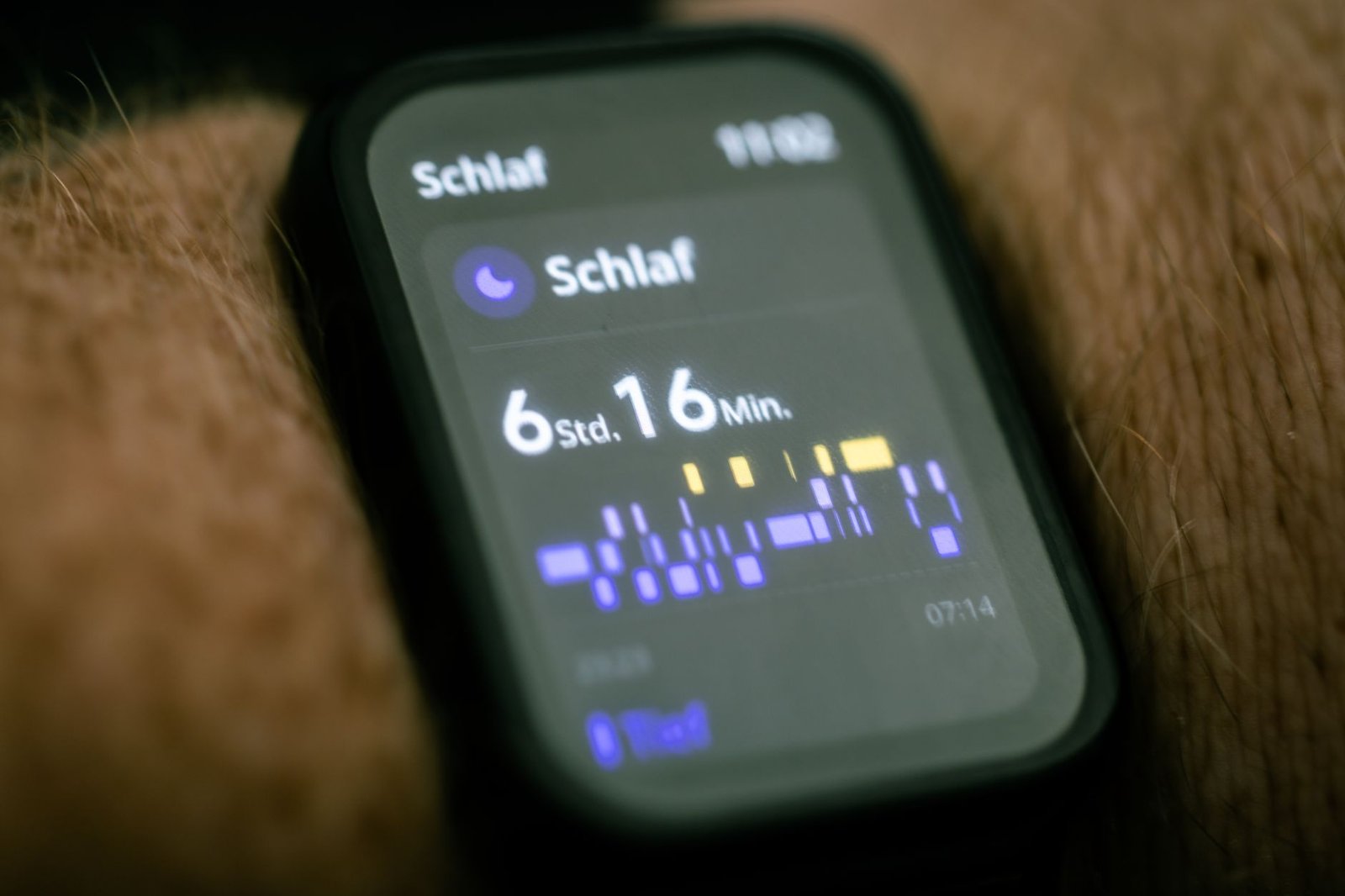
In 2026, the pursuit of optimal sleep quality remains a cornerstone of domestic comfort and overall wellness. Identifying the best smart sleep tracker for enhanced rest hinges on evaluating accuracy, feature sets, and user-friendliness. This analysis indicates that devices like the AuraSense Pro, Somnus-X, and DreamWeaver stand out as leading contenders, offering sophisticated insights and personalized guidance to significantly improve sleep architecture and restorative periods.
The Evolution of Sleep Tracking in 2026
The landscape of sleep technology in 2026 reflects significant advancements, moving beyond simple step counting to offer deeply personalized physiological monitoring. Key trends include hyper-personalization powered by artificial intelligence, seamless integration within comprehensive smart home ecosystems, and the proliferation of advanced biometric sensors.
Industry Trends Shaping Sleep Tech
- Hyper-Personalization: AI algorithms now offer adaptive sleep coaching, adjusting recommendations in real-time based on an individual’s unique sleep patterns, daily activity, and even dietary inputs. This moves beyond generic advice to truly tailored interventions.
- Seamless Smart Home Integration: With the maturation of protocols like Matter and Thread, sleep trackers effortlessly communicate with smart thermostats, lighting systems, and air purifiers. A device can detect sleep onset and automatically dim lights, lower ambient temperature, or activate a quiet air purifier to create an ideal sleep environment.
- Advanced Biometrics: Beyond heart rate and movement, 2026’s trackers accurately measure blood oxygen saturation, micro-vibrations indicative of sleep stage transitions, and increasingly incorporate EEG-like capabilities to provide nuanced brainwave activity insights without invasive electrodes.
- Discreet Design and Comfort: The design philosophy emphasizes minimal intrusion. Wearables are lighter, fabricated from advanced ceramic composites and bio-compatible polymers, ensuring comfort. Non-wearable options leverage sophisticated radar and ballistocardiography to monitor sleep from a distance with unparalleled precision.
Modern Material Developments
Material science contributes significantly to the efficacy and user experience of 2026 sleep trackers. Ultralight alloys and advanced recycled plastics reduce the environmental footprint while enhancing durability. Flexible sensor arrays composed of conductive polymers allow for more comfortable, form-fitting wearables and more robust, under-mattress solutions. Furthermore, energy-harvesting technologies are being explored to extend battery life or even eliminate the need for frequent charging in certain applications.
Top Smart Sleep Trackers for 2026
A detailed examination reveals several devices excelling in the current market, each catering to slightly different user preferences while delivering exceptional performance.
AuraSense Pro (Wearable Ring)
The AuraSense Pro solidifies its position as a premier wearable choice. Its compact, durable design, often featuring advanced ceramic or aerospace-grade polymer casings, houses a suite of sophisticated optical and micro-accelerometer sensors. It delivers exceptional accuracy in delineating sleep stages (REM, deep, light), tracking sleep onset latency, and identifying disturbances. Key features include personalized daily readiness scores, gentle haptic wake alarms, and robust integration with smart home platforms, allowing for automatic environmental adjustments. The intuitive companion application provides actionable insights and long battery life, making it a favorite for continuous wear.
Somnus-X (Non-Wearable Under-Mattress)
For individuals preferring a completely non-intrusive approach, the Somnus-X under-mattress tracker is a standout. Utilizing advanced ballistocardiography (BCG) and short-range radar technology, it accurately monitors heart rate, respiration rate, and micro-movements without direct contact. This device excels in detecting subtle physiological cues that contribute to sleep quality. Its features often include environmental monitoring (room temperature, humidity, noise levels) and seamless integration with smart beds for dynamic firmness adjustments. The