
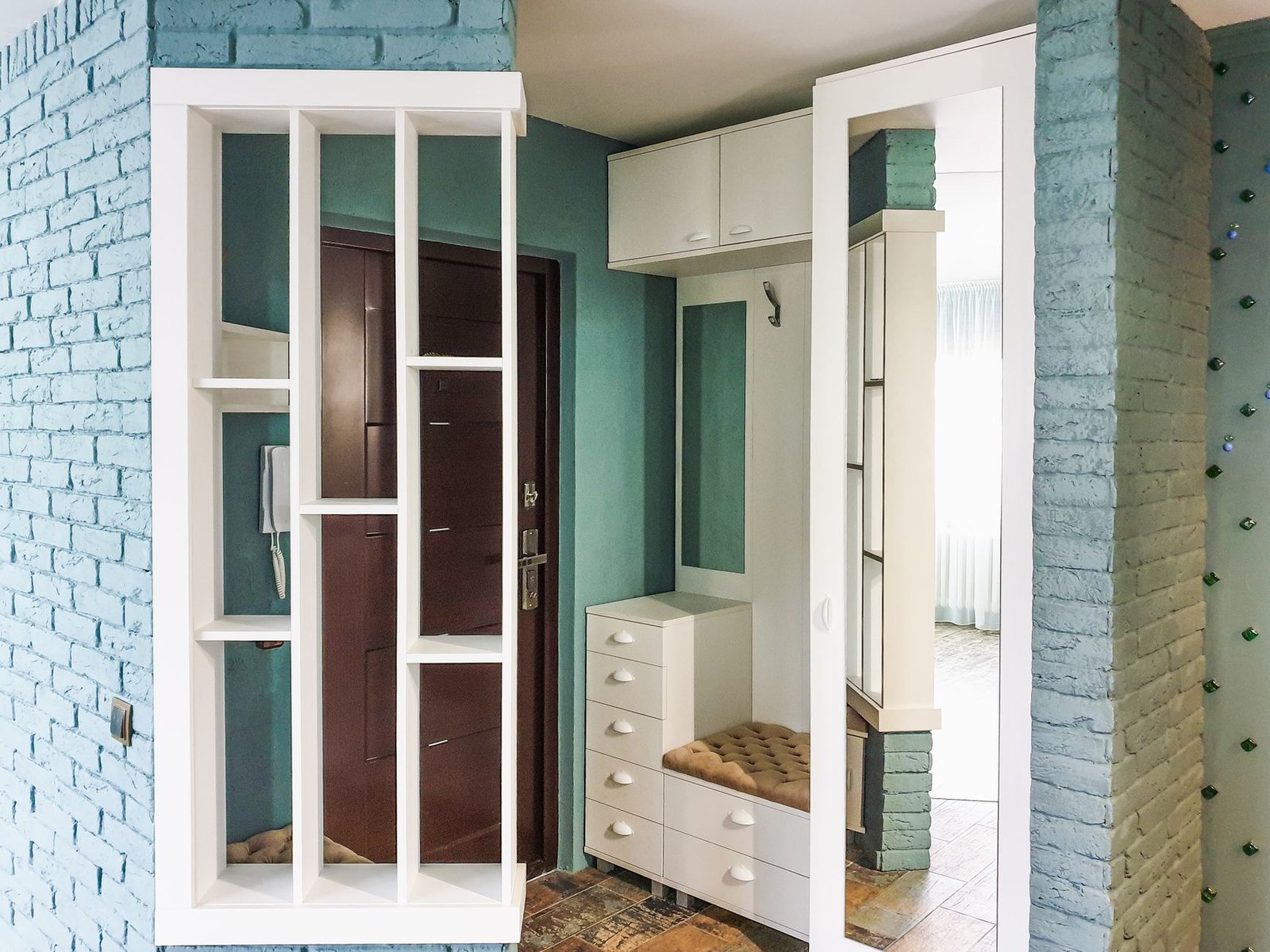
A chaotic entryway, often marred by a sprawling ‘shoe pile disaster’, presents a common domestic challenge. This seemingly minor issue can significantly impact a home’s first impression and daily functionality. Fortunately, sophisticated and stylish solutions are readily available to transform this high-traffic area into an organized, welcoming space. For homeowners navigating 2026, integrating smart technology, sustainable materials, and contemporary design principles into entryway shoe storage is key to maintaining tidiness and maximizing comfort.
The Evolving Entryway: Trends for 2026
The modern entryway in 2026 is no longer merely a transitional space; it is an integrated component of the home’s overall design narrative and smart ecosystem. Current interior design philosophies emphasize seamless functionality, biophilic elements, and a minimalist aesthetic that doesn’t compromise on utility. Homeowners increasingly seek solutions that blend invisibly into the decor, offer intuitive interaction, and contribute to an uncluttered living environment. These trends heavily influence the development of shoe storage, moving beyond basic racks to intelligent, integrated systems designed for convenience and longevity.
7 Smart Storage Solutions for the Modern Homeowner
1. Integrated Mudroom Cabinetry with Smart Features
Custom-built, floor-to-ceiling cabinetry systems represent the pinnacle of entryway organization. These solutions are designed to seamlessly blend with existing architecture, offering dedicated compartments for various shoe types, from boots to sandals. In 2026, such systems frequently incorporate motion-sensing LED lighting for visibility, integrated boot dryers to prevent moisture and odor, and even biometric locks for secure storage of valuable footwear or personal items. Construction often utilizes advanced recycled composite wood and low-VOC finishes, aligning with contemporary sustainability goals.
2. Modular Stackable Shoe Cubbies with Biometric Access
Flexibility and personalization are hallmarks of 2026 design. Modular stackable shoe cubbies allow homeowners to configure storage precisely to their space and needs. These units, crafted from sustainable bamboo or recycled ocean plastic composites, offer individual compartments that can be rearranged or expanded as required. A cutting-edge addition for the modern home includes biometric (fingerprint or NFC) access to specific cubbies, providing personalized security and allowing for easy tracking of whose shoes belong where—a boon for busy households.
3. Slim-Profile Vertical Shoe Racks with Integrated Air Purification
For narrow entryways or compact living situations, maximizing vertical space is crucial. Slim-profile vertical shoe racks offer a minimalist yet highly effective solution. Their tall, sleek design minimizes footprint while maximizing capacity. A significant advancement for 2026 is the integration of HEPA filters or UV-C light sanitizers within these units. This feature actively combats odors and eliminates bacteria, ensuring the entryway remains fresh and hygienic—a critical aspect of domestic comfort in the current era. Materials like powder-coated recycled steel and ultra-durable bio-plastics ensure longevity and style.
4. Multifunctional Entryway Benches with Hidden Storage
Combining comfort with utility, multifunctional entryway benches remain a popular choice. These pieces serve as a convenient spot for seating while putting on or taking off shoes and cleverly conceal ample storage underneath. Modern iterations feature lift-top mechanisms or smoothly operating pull-out drawers designed for various shoe sizes. Some advanced models include smart sensors that indicate when the storage is full or when a cleaning cycle is recommended, enhancing proactive maintenance. Upholstery made from recycled fibers and bases from reclaimed wood exemplify sustainable luxury.
5. Wall-Mounted Floating Shelves and Hooks with Magnetic Grip
To preserve floor space and create an airy aesthetic, wall-mounted floating shelves offer a visually light solution. These shelves, often crafted from lightweight aluminum or engineered wood with self-healing finishes, provide elevated storage. A truly innovative feature for 2026 is the incorporation of magnetic strips or embedded magnets along the shelves. This allows for footwear with metallic elements or emerging integrated magnetic soles to be securely displayed or stored, preventing slippage and adding a unique visual appeal.
6. Pull-Out Pantry-Style Shoe Drawers within Closets
For entryways adjacent to existing closets, converting a section into a dedicated shoe pantry is an efficient use of space. Full-extension, soft-close drawers with adjustable dividers allow for organized storage of numerous pairs, keeping them out of sight but easily accessible. The design mimicry of kitchen pantries ensures maximum utilization of depth and width. Materials like renewable wood veneers and durable recycled polymers provide both an aesthetic and a sustainable choice, ensuring the system withstands daily use for years.
7. Entryway Zone Rugs with Integrated Shoe Trays
A novel approach to shoe management involves re-imagining the traditional entryway rug. For 2026, advanced manufacturing allows for entryway zone rugs with seamlessly integrated, low-profile shoe trays or recessed compartments. These designs offer a designated space for wet or dirty footwear directly within the mat itself, preventing tracked-in mud and water. Constructed from antimicrobial, stain-resistant recycled synthetic fibers with silicone-based non-slip backing, these rugs are exceptionally durable, easy to clean, and merge practicality with subtle design.
Modern Material Developments Shaping 2026 Storage
The evolution of entryway storage is significantly driven by advancements in materials and technology. In 2026, homeowners benefit from a wide array of innovative options:
- Sustainable Composites: Beyond traditional wood, materials like recycled plastics, bamboo fiber, cork, and even mycelium-based composites offer durability, aesthetic appeal, and an eco-conscious footprint.
- Smart Textiles: Linings and upholstery feature self-cleaning, odor-absorbing, and moisture-wicking properties, ensuring stored footwear remains fresh and hygienic.
- Biometric & IoT Integration: The seamless incorporation of fingerprint scanners, NFC readers, and smart home connectivity allows for enhanced security, environmental monitoring (humidity, temperature), and automated access.
- Advanced Finishes: Self-healing coatings that resist scratches, antimicrobial surfaces that inhibit germ growth, and ultra-low VOC paints contribute to healthier indoor air quality and prolonged product life.
- Lightweight Metals: Innovative aluminum alloys and recycled steel are being utilized to create incredibly strong yet minimalist structures, reducing visual bulk and enhancing modern aesthetics.
These material and technological leaps ensure that entryway shoe storage solutions are not only functional but also align with the sophisticated, health-conscious, and sustainable values of the modern homeowner.
Conclusion
The transformation of an entryway shoe pile disaster into an organized, elegant space is an achievable goal for any homeowner in 2026. By embracing the smart storage solutions and leveraging the advanced materials available, the resident can significantly enhance domestic comfort and maintain an impeccable first impression. From integrated cabinetry with smart features to innovative rugs with built-in trays, the options are diverse and designed to cater to various spatial requirements and aesthetic preferences. Thoughtful implementation of these solutions ensures that the entryway remains a welcoming, clutter-free zone, reflecting the overall tidiness and thoughtful design of the home.