
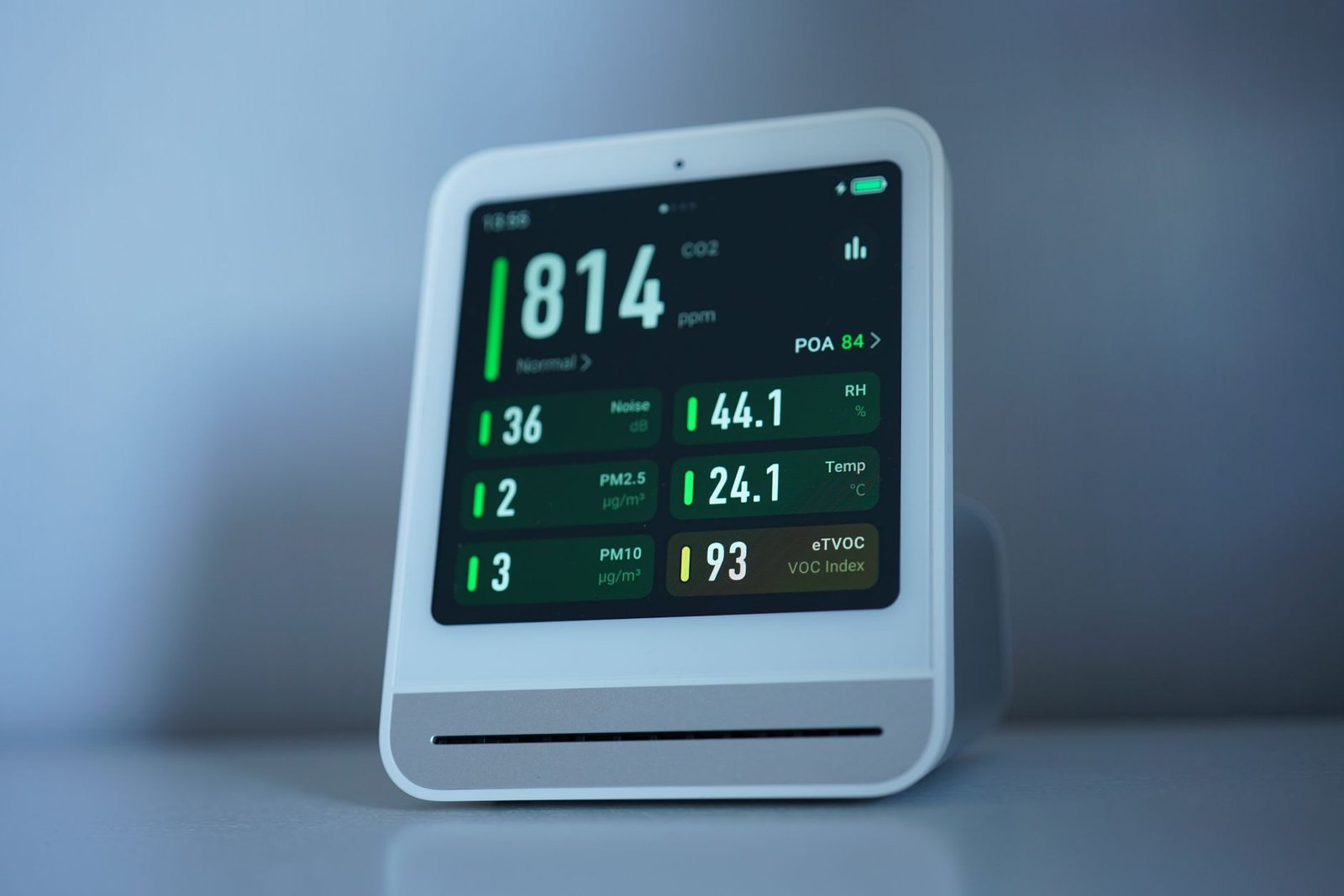
Determining the singular ‘best’ smart air quality monitor for allergy sufferers in 2026 involves evaluating specific needs and integrating cutting-edge technology. While a definitive universal answer remains elusive, leading contenders in the market leverage advanced sensor technology and sophisticated AI to provide unparalleled insights and proactive solutions for indoor air quality management. These devices represent a critical tool for individuals seeking to mitigate allergy symptoms and enhance overall domestic comfort.
The landscape of home wellness in 2026 places a significant emphasis on personalized environmental control. For allergy sufferers, understanding and managing airborne irritants is paramount. Smart air quality monitors have evolved from simple particulate counters into comprehensive diagnostic hubs, offering granular data and automated responses that directly address common allergens such as pollen, mold spores, dust mites, and pet dander, alongside chemical irritants.
The Evolving Landscape of Smart Air Quality Monitoring in 2026
The year 2026 marks a pivotal moment in smart home technology, particularly concerning environmental sensors. Innovation has pushed beyond basic detection, offering deeper insights and more effective integration into the daily lives of residents.
Next-Gen Sensor Technology
Modern air quality monitors incorporate hyper-spectral imaging for precise allergen identification, distinguishing between various types of pollen, mold spores, and even specific protein markers from pet dander. Nano-sensor arrays have dramatically improved the accuracy and speed of Volatile Organic Compound (VOC) detection, pinpointing sources of chemical irritants with unprecedented detail. Further advancements include micro-particulate analysis, allowing for differentiation between PM2.5 and PM1.0 particles, and even the detection of ultrafine particles that can penetrate deep into the respiratory system. Self-calibrating and self-cleaning sensor technology, often utilizing advanced piezoelectric or quantum dot materials, ensures long-term accuracy and reduces maintenance requirements for the homeowner.
AI and Predictive Analytics
The integration of Artificial Intelligence (AI) has transformed reactive monitoring into proactive environmental management. AI algorithms in 2026 can analyze local weather patterns, seasonal allergen forecasts, and the resident’s historical indoor air quality data to predict potential allergen spikes. This predictive capability allows the monitor to communicate with smart home systems, such as HVAC units, air purifiers, and humidifiers, to automatically adjust indoor conditions before symptoms manifest. For instance, if a high pollen count is predicted alongside rising indoor humidity, the system can automatically activate dehumidifiers and high-efficiency particulate air (HEPA) filtration before a pollen wave reaches its peak.
Material Science & Design
Modern air quality monitors also benefit from advancements in material science. Devices are now frequently constructed from sustainable, recycled polymers and feature unobtrusive, aesthetically integrated designs that blend seamlessly into any home decor. Flexible form factors, including unobtrusive wall-mounted panels or discreet, portable units, cater to diverse homeowner preferences. Sensor housings often utilize advanced ceramic composites or graphene-infused polymers, enhancing durability and sensor longevity while maintaining optimal performance in various environmental conditions.
Key Features for Allergy Sufferers
For individuals with allergies, specific features stand out as critical when selecting a smart air quality monitor.
Comprehensive Allergen Detection
The ability to detect and differentiate specific allergens is paramount. While general PM2.5 sensors are useful, monitors that provide specific readings for pollen (including types like ragweed or tree pollen), mold spores, dust mites, and pet dander offer invaluable information. This specificity allows the resident to understand exactly what triggers their allergies and to implement targeted mitigation strategies, such as specialized air purification or deep cleaning protocols.
Volatile Organic Compounds (VOCs) and Chemical Irritants
Beyond traditional allergens, VOCs emitted from household products, building materials, and furnishings can trigger respiratory irritation, exacerbating allergy symptoms. Leading 2026 monitors feature advanced broadband VOC sensors capable of identifying a wide spectrum of these compounds, providing actionable data on indoor chemical pollution. Understanding VOC levels helps residents identify problematic sources and improve ventilation practices.
Humidity and Temperature Control Integration
Humidity and temperature play crucial roles in allergen proliferation. High humidity creates ideal conditions for mold growth and dust mite thriving. Optimal monitors integrate seamlessly with smart humidifiers and dehumidifiers, allowing for automated control to maintain ideal indoor humidity levels (typically between 40-60%). This proactive environmental conditioning prevents conditions conducive to allergen multiplication.
Real-time Data and Actionable Insights
Effective air quality management relies on clear, real-time data presented in an understandable format. User-friendly dashboards, often accessible via dedicated apps or smart home interfaces, provide historical trends and immediate readings. Crucially, the best monitors offer personalized, actionable recommendations, guiding the resident on how to improve indoor air quality, whether through ventilation, filtration, or humidity adjustments. Remote monitoring capabilities ensure residents can track and manage their home’s air quality even when away from the property.
Top Contenders for Allergy Sufferers in 2026
Based on current technological advancements and market trends, several categories of smart air quality monitors are proving exceptionally beneficial for allergy sufferers.