
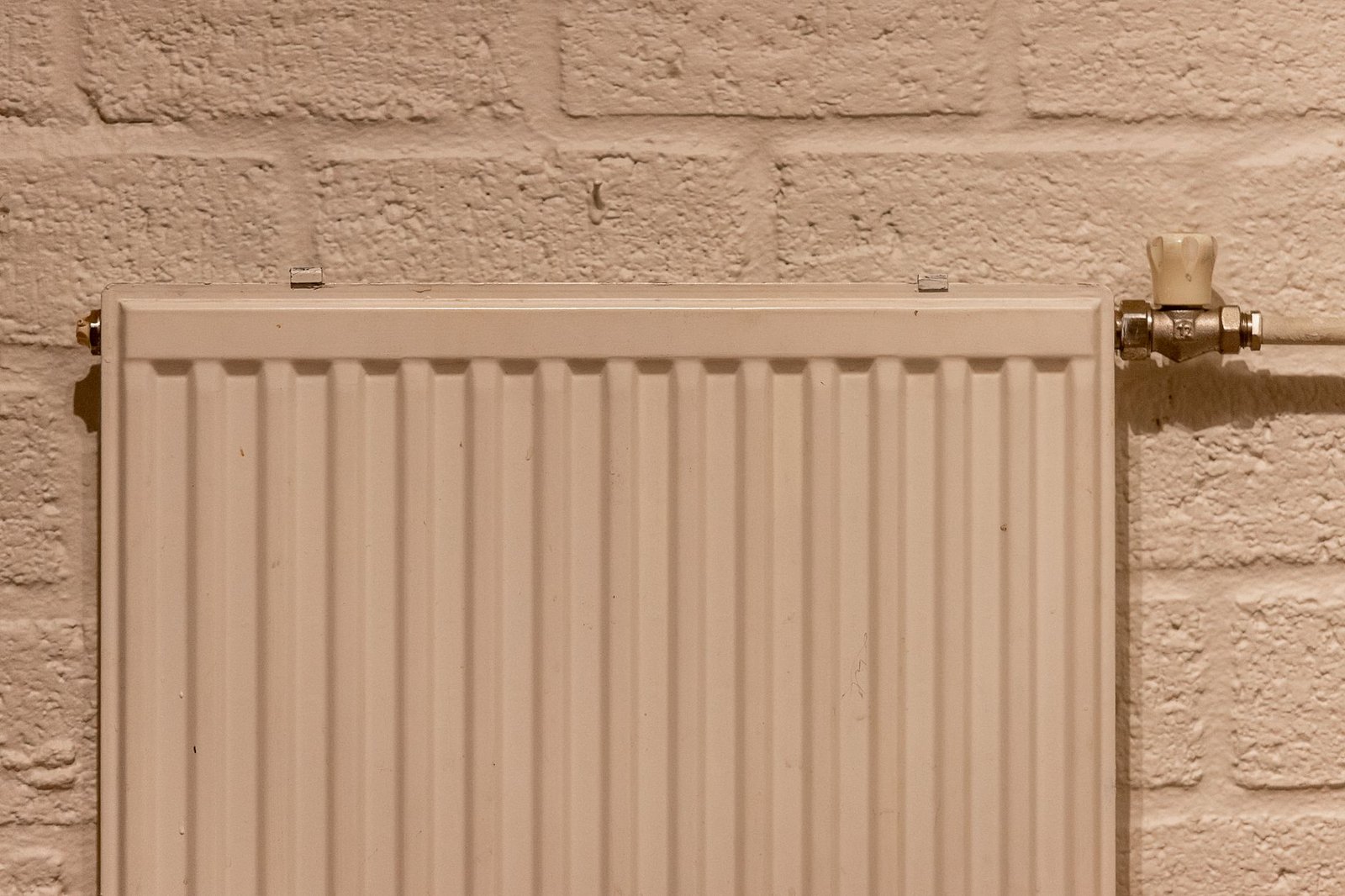
Heated Flooring vs. Forced Air: Efficiency for 2026 Homes
For homeowners evaluating heating solutions in 2026, the choice between heated flooring and forced-air systems involves a complex assessment of energy efficiency, comfort, and installation costs. While both technologies have seen significant advancements, heated flooring often presents a compelling case for superior comfort and, in many scenarios, better energy efficiency, particularly when integrated with modern low-temperature heat sources. However, forced-air systems remain a robust and increasingly efficient option, especially with the integration of advanced heat pump technologies and sophisticated zoning.
Understanding the nuances of each system, considering 2026’s technological landscape, is crucial for making an informed decision for both new constructions and existing home retrofits.
Heated Flooring Systems in 2026: The Radiant Advantage
Heated flooring, commonly known as radiant heating, distributes warmth evenly across a room by heating the floor surface itself. This method fundamentally differs from convective heating and offers a unique comfort profile.
Modern Heated Flooring Technologies and Efficiency
In 2026, heated flooring systems are primarily categorized into two types:
- Hydronic Systems: These circulate warm water through tubing laid beneath the floor. Hydronic systems are often considered the gold standard for efficiency, especially when paired with low-temperature heat sources like geothermal or air-source heat pumps, or even solar thermal systems. Their ability to operate effectively at lower water temperatures (typically 80-120°F compared to 140-180°F for traditional radiators) translates directly into significant energy savings. Modern control systems allow for precise zone management, ensuring heat is only delivered where and when it is needed. Advances in pipe materials and manifold designs further optimize flow and heat transfer.
- Electric Systems: These use electric resistance cables or mats installed under the flooring. While electric heating can be more expensive to operate than hydronic in areas with high electricity rates, 2026 has seen the introduction of ultra-thin, rapid-response electric mats that integrate seamlessly with smart grid technologies and time-of-use metering. Improved insulation underlayments beneath these systems drastically reduce downward heat loss, pushing their efficiency closer to that of hydronic setups in specific applications, such as bathrooms or small zones.
Enhanced Comfort and Indoor Air Quality
The comfort provided by heated flooring is unparalleled. Heat radiates from the floor upward, warming objects and residents directly rather than just heating the air. This eliminates cold spots, drafts, and the sensation of dry air often associated with forced-air systems. Crucially, radiant heat does not involve blowing air, which means dust, allergens, and other airborne particles are not circulated throughout the home, leading to significantly improved indoor air quality. This benefit is a major driver for homeowner adoption in the health-conscious market of 2026.
Installation Considerations and Material Developments
Historically, installation complexity was a barrier. However, 2026 offers innovative solutions:
- New Construction: Optimal for integrated installation within concrete slabs or subfloor systems, leveraging efficient design and material placement.
- Existing Homes (Retrofit): Electric mats are generally simpler for retrofits, particularly for bathrooms or kitchens. For hydronic, thin-profile overlay systems and modular panel solutions have emerged, significantly reducing floor height increase and installation time compared to traditional wet-pour methods.
Initial installation costs for heated flooring can be higher than forced air, especially for hydronic systems. However, the long-term operational savings, extended system lifespan (often 30-50 years for hydronic tubing), and superior comfort often justify the investment for many residents.
Forced-Air Heating Systems in 2026: Evolving Performance
Forced-air heating, the predominant method in North America, uses a furnace or heat pump to heat air, which is then distributed through a system of ducts and vents.
Modern Forced-Air Technologies and Efficiency
The forced-air landscape in 2026 is dominated by highly efficient units:
- High-Efficiency Furnaces: Natural gas and propane furnaces boast Annual Fuel Utilization Efficiency (AFUE) ratings well into the 90s, with multi-stage and modulating burners precisely matching heat output to demand.
- Advanced Heat Pumps: Air-source and geothermal heat pumps are at the forefront of forced-air efficiency. Variable-speed compressors and fans allow these systems to precisely control temperature and humidity, operating with significantly lower energy consumption than older models. Geothermal systems, leveraging stable ground temperatures, offer exceptional efficiency and reduced operational costs.
Key efficiency advancements include:
- Enhanced Ductwork: Improved sealing techniques and advanced insulation materials (e.g., aerogel-infused wraps) drastically reduce heat loss from ducts, which was a major efficiency drain in older systems.
- Smart Zoning: Modern forced-air systems can integrate sophisticated zoning controls, using automated dampers in the ductwork to deliver conditioned air only to occupied areas, significantly enhancing efficiency and comfort control.
Comfort Profile and Air Quality Management
Forced-air systems offer rapid heating response, quickly bringing a space to the desired temperature. However, the convective nature of the heat can lead to temperature stratification (warmer near the ceiling) and potential drafts. Air quality can be managed with high-MERV (Minimum Efficiency Reporting Value) filters, UV purifiers, and humidifiers/dehumidifiers integrated into the system, though these require regular maintenance and add to operational costs.
Installation and Cost Dynamics
Forced-air systems generally have lower upfront installation costs, especially in homes where ductwork already exists. Installation of new ductwork, however, can be disruptive and costly in existing structures. Modern HVAC units are more compact and quieter than their predecessors, simplifying placement in utility spaces.
Comparative Analysis for 2026 Homeowners
When comparing heated flooring and forced air, several critical factors differentiate their suitability for various home types and homeowner priorities in 2026.
Energy Efficiency
- Heated Flooring: Generally superior for energy efficiency, particularly hydronic systems paired with heat pumps, due to lower operating temperatures and the direct radiant heat transfer. Less heat is lost through distribution, as the heat source is the floor itself. Advanced insulation materials and precise zone controls further bolster efficiency.
- Forced Air: Highly efficient modern units exist, especially variable-speed heat pumps and high-AFUE furnaces. However, efficiency can be compromised by duct losses, even with improved sealing. Energy recovery ventilators (ERVs) can be integrated to minimize energy loss from ventilation.
Comfort and Wellness
- Heated Flooring: Provides unmatched thermal comfort with gentle, even, silent heat, and no drafts. Significantly improves indoor air quality by not circulating dust or allergens. Creates a consistently comfortable environment, beneficial for residents with respiratory sensitivities.
- Forced Air: Offers quick temperature adjustments but can result in noticeable air movement, potential drafts, and uneven heating. Requires additional components (filters, humidifiers) to address indoor air quality concerns, which need regular maintenance.
Installation and Retrofit Costs
- Heated Flooring: Typically higher initial installation costs, especially for hydronic systems in new construction. Retrofitting hydronic can be complex and expensive, but innovative thin-set electric or low-profile hydronic options are making it more accessible and cost-effective for existing homes in 2026.
- Forced Air: Generally lower upfront costs, particularly if existing ductwork can be reused. New ductwork installation in existing homes can be disruptive and costly. Heat pump installations, while efficient, can have higher initial costs than basic furnace replacements.
Maintenance and Longevity
- Heated Flooring: Very low maintenance once installed correctly, especially hydronic tubing, which is largely inert. Electric systems require minimal maintenance. Both are designed for long lifespans.
- Forced Air: Requires regular filter changes, periodic duct cleaning, and annual professional servicing of the furnace or heat pump. System components typically have a lifespan of 15-20 years.
Emerging Trends and Future Outlook for 2026
Both heating technologies are deeply integrating with smart home ecosystems in 2026. Smart thermostats are standard for forced-air systems, offering remote control and learning algorithms. Heated flooring systems are increasingly part of holistic energy management platforms, optimizing heat delivery based on occupancy sensors, external weather data, and grid demand. The emphasis on net-zero and sustainable building practices further favors heated flooring, as its low operating temperatures make it an ideal partner for renewable energy sources like solar PV and geothermal.
Conclusion: Choosing the Right System
For homeowners prioritizing unparalleled comfort, superior indoor air quality, and long-term energy efficiency, particularly with integration into renewable energy sources, heated flooring presents a compelling solution for 2026 homes. Its radiant warmth and silent operation create an ideal living environment. However, for projects with budget constraints or where rapid heating is a primary concern, modern forced-air systems, especially high-efficiency heat pumps with advanced zoning, offer a robust and increasingly efficient alternative. The optimal choice ultimately depends on the specific project requirements, the homeowner’s long-term comfort preferences, and overall budget, with 2026 technologies ensuring high performance for both pathways.