
The pursuit of a thriving garden, vibrant with life and free from the insidious grip of blights, remains a cornerstone of domestic comfort and landscape design. As environmental consciousness continues to shape horticultural practices, particularly in 2026, the emphasis shifts towards sustainable, eco-friendly methods. This article explores advanced botanical strategies and natural predatory balances, offering homeowners potent tools to protect their green infrastructure without resorting to harsh chemicals. The focus is on fostering a resilient ecosystem, aligning with modern trends in sustainable living and smart garden management.
Natural Allies: Harnessing Predatory Insects
Cultivating a balanced ecosystem within the garden involves strategically inviting natural predators that keep common pests in check. This biological control method reduces reliance on external interventions, allowing the garden to self-regulate much of its pest population. Establishing a welcoming habitat is paramount for these beneficial insects, providing them with shelter, diverse food sources beyond pests, and water.
Beneficial Insects for Common Pests
- Ladybugs (Coccinellidae): Renowned for their voracious appetite for aphids, mealybugs, and spider mites. Both adult ladybugs and their larval stages are highly effective.
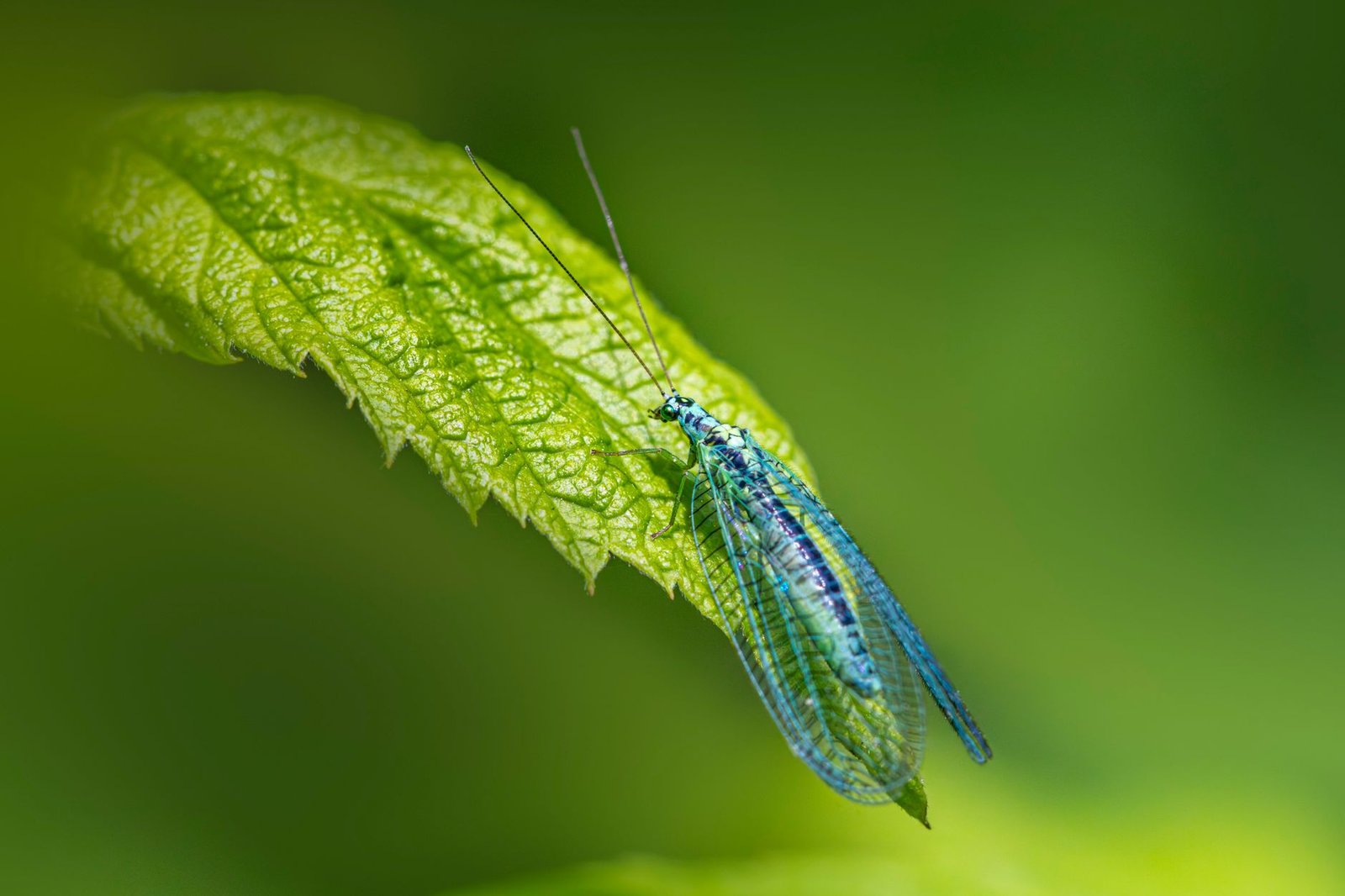
- Lacewings (Chrysopidae): Green lacewing larvae are often called “aphid lions” due to their aggressive predation on aphids, thrips, whiteflies, and small caterpillars.
- Hoverflies (Syrphidae): The larvae of hoverflies are powerful predators of aphids, while adults are excellent pollinators, offering dual benefits to the garden.
- Parasitic Wasps (e.g., Braconidae, Ichneumonidae): These tiny wasps lay their eggs inside or on various garden pests, including caterpillars, aphids, and whiteflies, effectively parasitizing and killing them.
- Predatory Mites (Phytoseiidae): Specific species, such as Phytoseiulus persimilis, target destructive spider mites, offering a precise biological control.
To attract and retain these vital allies, the resident can plant a variety of nectar-rich flowers like dill, fennel, yarrow, and cosmos. Providing shallow water sources and avoiding broad-spectrum pesticides, which harm beneficial insects as well as pests, are crucial steps. The presence of diverse native plants also provides essential overwintering sites and alternative food sources, ensuring a stable population of natural guardians.
Botanical Shields: Homemade Oil Solutions
For instances where natural predation requires assistance, homemade botanical oil solutions offer an eco-conscious alternative to synthetic pesticides. These solutions are generally safer for the environment, beneficial insects, and the resident, allowing precise control over ingredients and application. Formulating these remedies involves common household ingredients or readily available plant extracts.
Crafting Your Own Eco-Pesticides
- Neem Oil Solution: Derived from the neem tree, neem oil is a powerful natural insecticide, fungicide, and miticide. It acts as an anti-feedant, growth disruptor, and repellent. A typical solution involves mixing 1-2 tablespoons of cold-pressed neem oil with a teaspoon of mild liquid soap (as an emulsifier) per gallon of water. This is effective against aphids, spider mites, whiteflies, and powdery mildew.
- Garlic and Chili Spray: The pungent compounds in garlic and chili can deter a wide range of pests. To prepare, blend several garlic cloves and a few hot chilies with water, let it sit overnight, strain, and dilute with more water (e.g., 1 part concentrate to 10 parts water). Add a touch of mild soap for adherence. This acts as a repellent for many chewing insects.
- Essential Oil Blends: Certain essential oils possess pest-repelling or insecticidal properties. Peppermint, rosemary, thyme, and cedarwood oils can deter slugs, ants, and certain insect larvae. A few drops of chosen essential oils mixed with water and a mild soap can be sprayed directly on affected plants.
- Insecticidal Soap Solution: Simple insecticidal soap works by suffocating soft-bodied pests. A mixture of 1-2 tablespoons of mild liquid soap (such as castile soap) per gallon of water is effective against aphids, mealybugs, and spider mites. It is important to avoid dish soaps containing harsh detergents or degreasers, which can damage plants.
Application of these solutions requires careful attention. It is advisable to test a small area of the plant first to ensure no adverse reaction. Sprays are most effective when applied in the early morning or late evening to avoid direct sunlight, which can cause leaf burn, and to minimize impact on pollinators. Thorough coverage, especially on the undersides of leaves where many pests reside, is key to success. Regular reapplication, especially after rain, helps maintain their efficacy.
Modern Innovations & 2026 Trends in Garden Health
The landscape of garden management in 2026 is significantly influenced by technological advancements and a renewed focus on sustainable materials. These trends offer unprecedented opportunities for proactive blight control and enhanced garden resilience.
Smart Monitoring & Sustainable Materials
IoT-Enabled Garden Monitoring: Smart garden sensors, increasingly sophisticated and affordable, provide real-time data on soil moisture, pH levels, nutrient availability, and even early signs of fungal growth or insect presence. AI-driven platforms can analyze this data to provide predictive insights and recommend precise, localized interventions, allowing the resident to address potential blight issues before they escalate. This precision agriculture for the home garden minimizes wasted resources and maximizes timely action.
Advanced Biopesticides and Microbial Solutions: Beyond traditional botanical oils, the market in 2026 offers advanced biological formulations. These include specific microbial pesticides, such as those based on beneficial fungi (e.g., Beauveria bassiana for insect control) or bacteria (e.g., Bacillus subtilis for disease suppression). These products are designed to integrate seamlessly with an eco-friendly approach, offering targeted action with minimal environmental footprint. Their development represents a significant trend in specialized, natural blight management.
Blight-Resistant & Sustainable Infrastructure: Modern material science contributes to preventing blights structurally. New composite decking materials, treated timber alternatives (using non-toxic, eco-friendly preservatives), and self-healing bio-concrete for pathways are designed to resist fungal decay, insect infestation, and water damage. Raised garden beds, trellises, and other garden infrastructure can now be constructed from materials that inherently deter common blights, promoting better air circulation and drainage, which are critical for plant health. The emphasis is on long-lasting, low-maintenance materials that support plant vitality.
Integrated Pest Management for Lasting Health
An integrated approach combines all these strategies, creating a robust defense system for the garden. This holistic philosophy acknowledges that no single solution is a panacea, but rather a combination of methods yields the most resilient and beautiful results.
Holistic Approach to Garden Resilience
The foundation of long-term garden health lies in soil vitality. Amending soil with rich organic compost, promoting beneficial microbial life, and ensuring proper drainage creates an environment where plants thrive and are naturally more resistant to pests and diseases. Healthy soil fosters healthy plants, which are less susceptible to blight.
Strategic plant selection is another critical component. Choosing disease-resistant plant varieties, opting for native species adapted to the local climate, and ensuring proper plant spacing to allow for adequate air circulation are proactive measures that significantly reduce the risk of blight. Companion planting, where specific plant combinations deter pests or attract beneficial insects, also plays a crucial role.
Regular garden inspection, or “scouting,” allows for early detection of pest or disease issues. Addressing problems when they are small and localized is far more effective than waiting until an infestation or blight has taken hold. Pruning away affected branches or leaves promptly, and maintaining garden hygiene by removing fallen debris, helps to break disease cycles and prevent pest harborage.
By embracing these eco-friendly strategies – from encouraging natural predators and deploying homemade botanical solutions to leveraging 2026’s smart technologies and sustainable materials – the homeowner can cultivate a vibrant, resilient, and enduring garden. This harmonious approach not only protects precious plantings but also contributes positively to the broader ecosystem, embodying the true spirit of responsible landscape stewardship.