
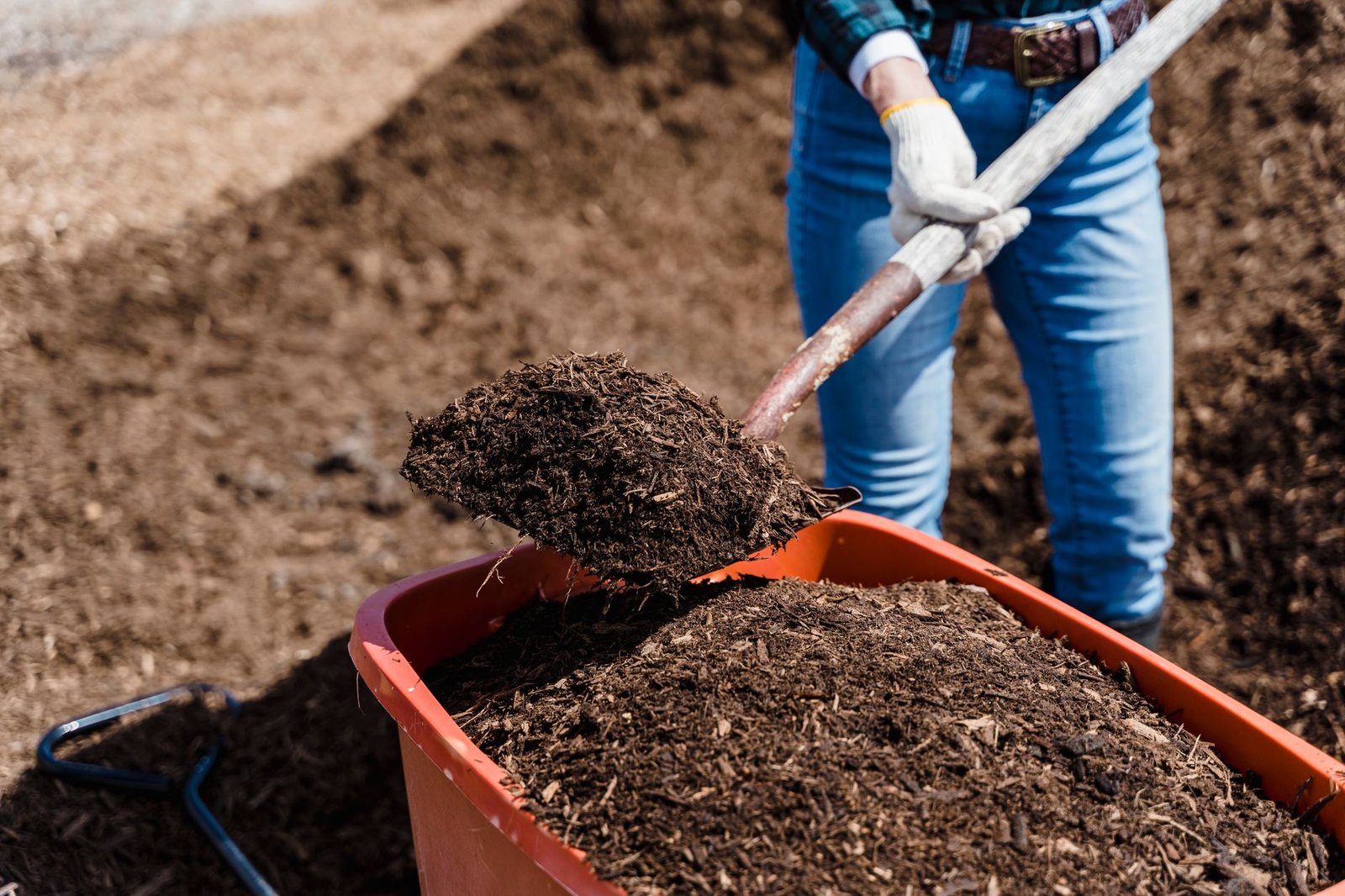
The Foundation of Green Grandeur: Prioritizing Soil Health
A thriving, vibrant lawn is not merely a matter of consistent watering and occasional mowing; its true vitality stems from the unseen world beneath its surface: the soil. As the backbone of any sustainable landscape, healthy soil is crucial for robust root development, efficient nutrient uptake, and natural resilience against environmental stressors. In 2026, the emphasis on organic nutrient management for sustainable lawns has intensified, moving beyond conventional practices to embrace holistic ecological approaches. This commitment to soil health significantly reduces reliance on synthetic chemicals, fostering a biodiverse ecosystem that benefits both the property and the wider environment. For the homeowner seeking to cultivate a truly sustainable lawn, understanding and implementing natural cultivation, composting, and precise soil analysis is paramount.
Natural Cultivation Processes for Resilient Lawns
Achieving a sustainably lush lawn involves more than just feeding; it requires a deep understanding of natural processes that enhance soil structure and biological activity. These cultivation methods aim to mimic nature’s own cycles, building a strong foundation for long-term health.
Aeration and Top-Dressing
Aeration is a critical practice, particularly in compacted soils. Core aeration, involving the removal of small plugs of soil, improves air, water, and nutrient penetration to the root zone. A modern approach gaining traction in 2026 is liquid aeration, which uses soil conditioners to naturally loosen compacted soil over time, offering a less invasive alternative that can be integrated into regular maintenance. Following aeration, top-dressing with a thin layer of organic matter, such as compost, introduces beneficial microbes and essential nutrients directly into the root zone, enhancing soil structure and fertility.
Promoting Biodiversity and Minimal Disturbance
For garden beds adjacent to lawns, cover cropping during dormant seasons prevents erosion, suppresses weeds, and enriches the soil with organic matter when tilled under. While less direct for established lawns, the principles of minimal soil disturbance apply; avoiding unnecessary tilling or heavy foot traffic preserves beneficial soil organisms and structure. Mulching around trees and shrubs bordering the lawn retains soil moisture, regulates temperature, and contributes to overall organic matter as it breaks down. An integrated approach also includes effective water management, utilizing smart irrigation systems that deliver water precisely when and where needed, preventing runoff and nutrient leaching.
Composting Methodologies: Creating Nutrient Gold
Compost is often referred to as ‘black gold’ due to its unparalleled ability to transform garden waste and food scraps into a nutrient-rich soil amendment. Various methodologies cater to different needs and scales, all contributing to a circular economy in landscape management.
Traditional and Modern Composting Techniques
- Hot Composting: This method involves carefully balancing ‘greens’ (nitrogen-rich materials like grass clippings, food scraps) and ‘browns’ (carbon-rich materials like dry leaves, wood chips) in a pile. Regular turning and maintaining moisture accelerate decomposition, generating high temperatures that kill weed seeds and pathogens.
- Cold Composting: A simpler, less labor-intensive approach where materials are piled up and left to decompose slowly over time. While slower, it still yields valuable compost without the need for constant management.
- Vermicomposting: Utilizing specific types of worms (e.g., red wigglers) to break down organic waste into nutrient-dense ‘worm castings’. This method is ideal for smaller spaces and produces highly potent soil amendment.
- Compost Tea: A liquid fertilizer created by steeping mature compost in water. It provides a quick nutrient boost and introduces beneficial microbes directly to plants and soil.
2026 Composting Innovations
The year 2026 sees advancements in composting technology and practices. Smart composting bins are emerging, equipped with sensors to monitor temperature, moisture, and aeration, providing real-time data to optimize the composting process for the homeowner. Furthermore, the integration of biochar into compost piles is becoming a key trend. Biochar, a stable form of carbon produced from biomass, significantly enhances compost’s ability to retain nutrients and water, while also improving soil structure and sequestering carbon.
Standard pH Verification Techniques for Optimal Soil Health
Soil pH is a fundamental indicator of soil health, directly influencing nutrient availability for plant roots. Maintaining an optimal pH range is crucial for a lawn’s vitality and efficient nutrient utilization.
Methods for pH Testing
- DIY pH Test Kits: Widely available, these kits often use litmus paper or colorimetric solutions that change color based on the soil’s acidity or alkalinity. While convenient, their accuracy can vary.
- Digital pH Meters: Offering greater precision than DIY kits, digital meters provide a numerical reading of the soil’s pH. These require regular calibration for reliable results.
- Professional Soil Lab Analysis: For the most accurate and comprehensive understanding of soil conditions, professional lab testing is recommended. These analyses not only provide precise pH readings but also detailed nutrient profiles and recommendations for amendments. This offers unparalleled insight for tailored lawn care strategies.
Adjusting Soil pH
Once the soil pH is known, adjustments can be made to bring it into the optimal range (typically between 6.0 and 7.0 for most lawn grasses).
- To Lower pH (Acidify): Amendments such as elemental sulfur or sphagnum peat moss can be incorporated. Sulfur converts to sulfuric acid in the soil, gradually lowering the pH. Iron sulfate also works effectively.
- To Raise pH (Alkalize): Agricultural lime (calcium carbonate) is the most common amendment, slowly increasing alkalinity. Dolomitic lime also provides magnesium. Wood ash can also be used, though its effect is quicker and less precise.
It is important to make pH adjustments gradually and retest the soil periodically to monitor progress and prevent over-correction. A balanced pH ensures that the organic nutrients applied are readily available to the lawn, maximizing their impact.
2026 Trends: Innovating for Sustainable Lawnscapes
The landscape of sustainable lawn care is continually evolving, with 2026 bringing exciting advancements that empower homeowners to achieve greener results with ecological integrity.
Biochar and Microbial Inoculants
The integration of biochar as a standalone soil amendment or in conjunction with compost is gaining significant traction. Its porous structure creates ideal habitats for beneficial microbes, enhances water and nutrient retention, and contributes to long-term soil carbon sequestration. Alongside biochar, microbial inoculants – specially formulated blends of beneficial bacteria and fungi – are becoming more sophisticated. These products target specific soil deficiencies, improve nutrient cycling, and enhance plant immunity, providing a natural defense system for the lawn.
Precision Organic Feeding and Regenerative Practices
Slow-release organic fertilizers are seeing modern developments, offering sustained nutrient delivery over extended periods, minimizing nutrient runoff and waste. Coupled with this, the rise of precision agriculture tools for homeowners, such as smart soil sensors that monitor moisture, temperature, and even basic nutrient levels, allows for highly targeted application of water and organic amendments. These sensors integrate seamlessly with smart irrigation systems, optimizing resource use. Beyond products, the philosophy of regenerative landscaping is becoming mainstream. This holistic approach focuses on improving soil health, enhancing biodiversity, and creating self-sustaining ecosystems within the home landscape, reducing external inputs and fostering long-term resilience.
Cultivating a Greener Tomorrow
Embracing organic soil health management is a powerful step towards creating a truly sustainable and aesthetically pleasing lawn. By understanding and implementing natural cultivation processes, mastering composting methodologies, and diligently verifying soil pH, the homeowner can transform a conventional lawn into a vibrant, resilient ecosystem. The trends of 2026, from biochar and microbial inoculants to smart soil sensors and regenerative principles, provide cutting-edge tools to support these efforts. Investing in the health of the soil below means cultivating a greener, more enduring beauty above, ensuring a landscape that thrives for years to come.