
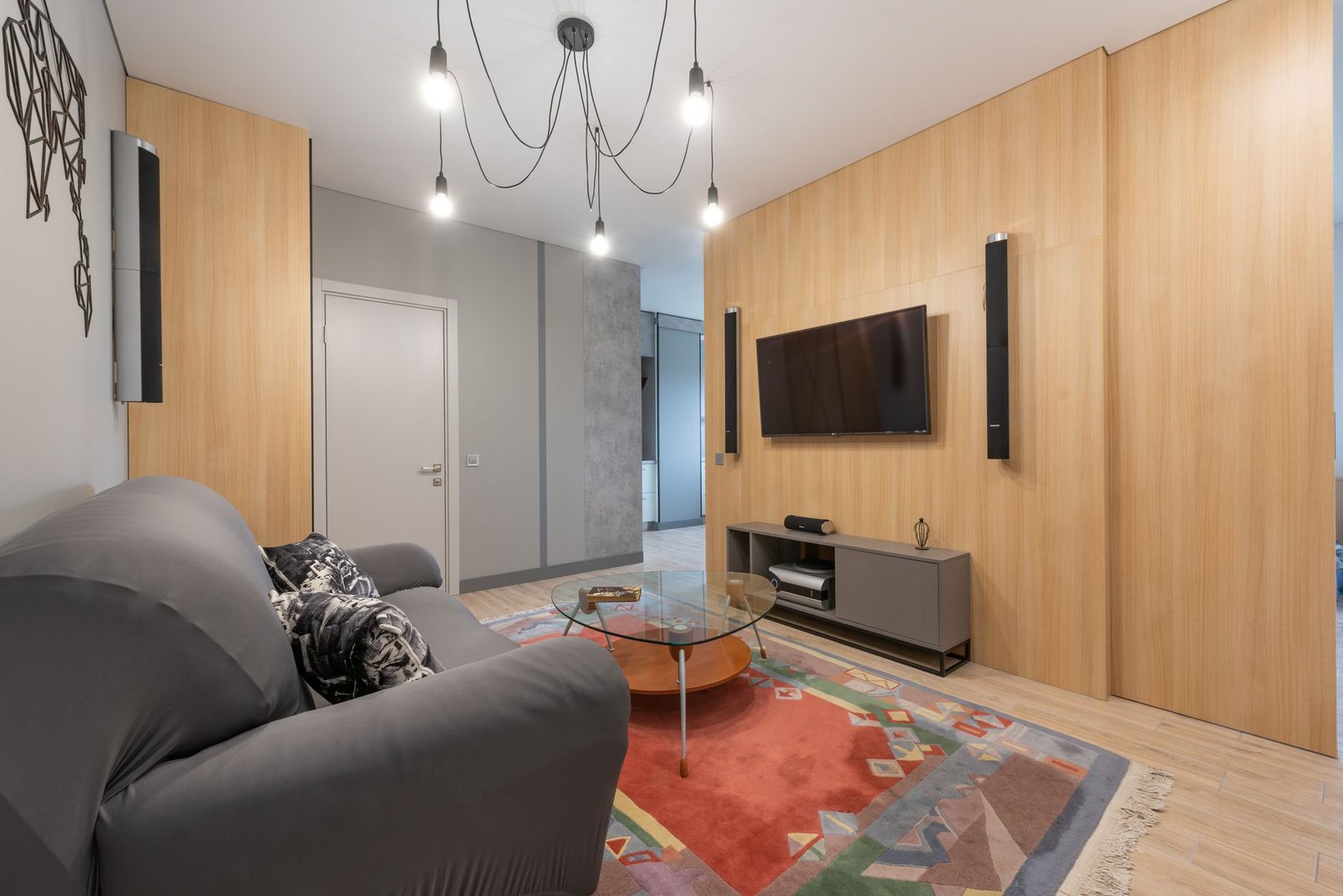
An echo-prone living room detracts significantly from domestic comfort, transforming what should be a serene space into an acoustically challenging environment. Fortunately, in 2026, the pursuit of optimal sound quality no longer necessitates a compromise on interior aesthetics. This article explores five stylish acoustic panel solutions designed not only to mitigate unwanted reverberation but also to enhance the visual appeal of modern living spaces, offering homeowners a blend of advanced functionality and sophisticated design.
The Resurgence of Acoustic Design in 2026
In contemporary home design, the integration of acoustics has transitioned from a purely functional consideration to a pivotal element of interior aesthetics and overall well-being. For the modern resident, a living room’s auditory comfort is as crucial as its visual appeal, influencing everything from conversation clarity to the enjoyment of entertainment. The year 2026 marks a significant evolution in this domain, with innovations making acoustic treatment indistinguishable from high-end decor.
Beyond Function: Aesthetics as a Priority
Gone are the days when acoustic solutions were clunky, industrial-looking panels. Today’s market demands products that seamlessly integrate into luxury interiors, acting as focal points rather than necessary evils. Designers and manufacturers are responding with materials and forms that actively contribute to a space’s visual narrative, aligning with minimalist, biophilic, and technologically integrated design philosophies.
Emerging Material Trends
The acoustic landscape of 2026 is defined by sustainability and technological advancement. Expect to see widespread adoption of materials such as recycled PET felt, offering excellent sound absorption while utilizing post-consumer waste. Natural wood composites and perforated timber panels crafted from sustainably sourced forests are also prominent, valued for their organic textures and warmth. Furthermore, innovations in textile technology are introducing highly absorbent, designer-grade fabrics that blend performance with luxurious tactile qualities.
5 Stylish Acoustic Panel Solutions That Elevate Living Spaces
Addressing an echo-y living room no longer means sacrificing design. The following solutions represent the pinnacle of acoustic innovation and aesthetic integration available to the homeowner in 2026.
1. Sculptural 3D Panels with Integrated Lighting
Moving beyond flat surfaces, 2026 showcases acoustic panels that are veritable works of art. These three-dimensional panels, often crafted from high-density recycled PET or advanced felted wool, feature intricate geometric patterns or organic curves. Their varying depths inherently aid in sound diffusion and absorption. A key trend is the integration of subtle LED backlighting or edge lighting, transforming the panels into dynamic light installations that adapt to mood or time of day. This fusion of form, light, and sound control offers a sophisticated, multi-sensory experience, making them a striking focal point in any contemporary living room.
2. Textile-Based Art Panels and Tapestries
The resurgence of textile art meets acoustic functionality in solutions for 2026. Custom-designed acoustic tapestries and large-format fabric panels provide substantial sound absorption while introducing texture, color, and narrative to a room. Modern iterations utilize advanced, dense fabrics such as specialized woven wools, blended flax, or recycled polyester, often treated for enhanced acoustic performance. These can feature abstract patterns, custom photographic prints, or biophilic motifs, allowing homeowners to personalize their acoustic treatment. They are particularly effective for larger wall expanses, softening hard surfaces both acoustically and visually.
3. Perforated Wood Veneer Systems with Natural Finishes
For those who favor a refined, minimalist aesthetic, perforated wood veneer systems are a leading choice. These panels typically feature a thin, rich wood veneer (think walnut, oak, or ash) with precision-drilled perforations, backed by an acoustically absorbent material like black felt or mineral wool. The slatted or micro-perforated designs allow sound waves to pass through to the absorbent layer, effectively reducing echo without visually dominating the space. The natural wood grains introduce warmth and organic beauty, aligning perfectly with modern Scandinavian or Japandi interior trends. Installation often involves discreet mounting systems, creating a clean, architectural finish.
4. Biophilic Moss Walls and Living Acoustic Panels
Embracing the biophilic design movement, preserved moss walls offer a truly unique and aesthetically stunning acoustic solution for 2026. These require no maintenance and naturally absorb sound due to the moss’s porous structure. Beyond their acoustic benefits, moss walls introduce natural elements into the living space, contributing to a sense of calm and well-being. Framed panels or entire wall installations can be created, often incorporating various types and shades of moss, alongside other preserved botanicals. This option is ideal for residents seeking a sustainable, visually striking, and naturally sound-dampening feature that brings the outdoors in.
5. Modular Acoustic Furniture and Dividers
Functionality and flexibility converge in modular acoustic furniture and room dividers. In 2026, these are increasingly sophisticated, offering dual-purpose solutions for open-plan living rooms. Upholstered acoustic screens, often in striking geometric or wave patterns, can serve as movable partitions, defining zones while absorbing sound. Similarly, benches, ottomans, or even shelving units can be designed with integrated acoustic panels or upholstered in sound-absorbent fabrics. This approach allows homeowners to dynamically adjust their space for optimal sound and privacy, making them particularly valuable in versatile living environments where needs may change throughout the day.
Integrating Acoustic Solutions Seamlessly
The effectiveness and visual success of acoustic treatments hinge not only on the chosen product but also on its thoughtful integration into the existing design scheme.
Placement Strategies for Optimal Performance
Effective acoustic treatment requires strategic placement. Hard, parallel surfaces are prime culprits for echo, so targeting large, bare walls, especially opposite reflective surfaces like windows or other hard walls, is crucial. For ceilings, suspended acoustic clouds or baffles can significantly reduce vertical reverberation without compromising overhead lighting. The goal is to distribute absorbent materials strategically rather than concentrating them in one area, creating a more balanced sound environment.
Harmonizing with Existing Decor
When selecting acoustic solutions, residents should consider the living room’s existing color palette, material textures, and overall style. The chosen panels should either complement these elements harmoniously or serve as a deliberate, artistic contrast. For instance, a minimalist space might benefit from sleek, perforated wood panels, while a bohemian interior could embrace an elaborate textile art piece. The aim is for the acoustic treatment to feel like an inherent part of the design, enhancing the room’s aesthetic rather than appearing as an afterthought.
Conclusion
The challenge of an echo-prone living room now presents an exciting opportunity for design enhancement. In 2026, the convergence of aesthetic sophistication, sustainable materials, and advanced acoustic engineering means homeowners no longer need to choose between sound quality and beautiful interiors. By embracing sculptural 3D panels, rich textile art, elegant wood veneers, biophilic moss walls, or versatile acoustic furniture, residents can transform their living spaces into serene, acoustically optimized havens that reflect contemporary style and comfort. Thoughtful selection and strategic placement ensure these solutions not only silence unwanted echoes but also elevate the overall design narrative of the home.