Deciding between Wi-Fi and Zigbee smart plugs for a 2026 smart home hinges significantly on a homeowner’s existing ecosystem, desired network resilience, and future expansion plans. While Wi-Fi offers unparalleled simplicity and direct access for many devices, Zigbee provides a robust mesh network with lower power consumption, often requiring a dedicated hub for optimal performance. The optimal choice depends on the specific priorities and technical infrastructure of the residence.
As smart home technology continues its rapid evolution into 2026, understanding the foundational differences between these two prevalent communication protocols is essential. This analysis will guide the homeowner through the advantages and disadvantages of each, framing the discussion within the context of contemporary trends and integrated living.
Understanding Wi-Fi Smart Plugs in 2026
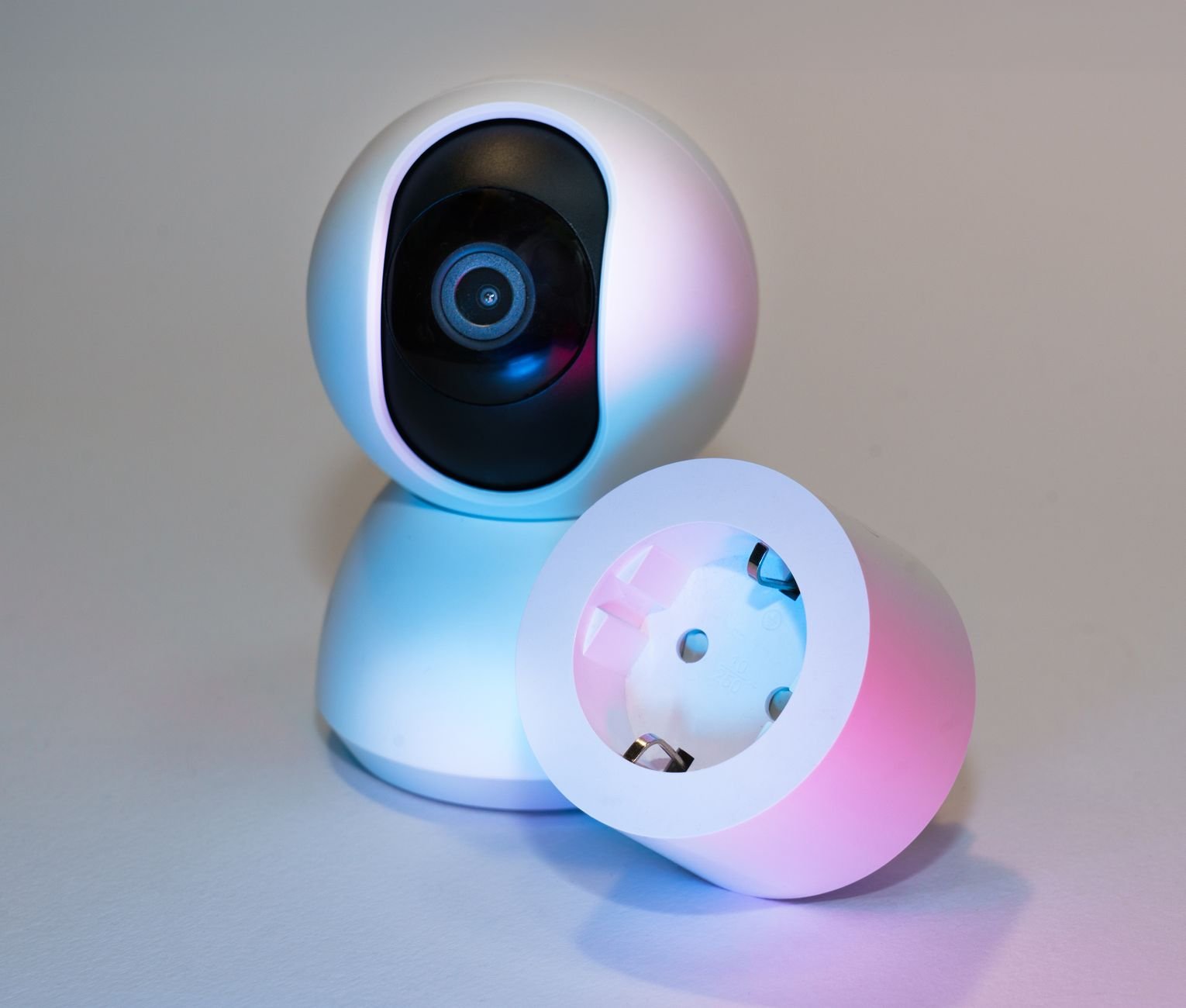
Wi-Fi smart plugs remain a cornerstone of accessible smart home integration due to their straightforward setup and broad compatibility. These devices connect directly to the residence’s existing Wi-Fi network, eliminating the immediate need for additional hardware such as a dedicated hub. For the homeowner seeking to automate a few select devices without extensive initial investment, Wi-Fi smart plugs often present an attractive entry point.
Advantages of Wi-Fi Smart Plugs
- Ease of Integration: Many Wi-Fi smart plugs offer near plug-and-play functionality, connecting directly to the router and integrating seamlessly with popular voice assistants like Amazon Alexa and Google Assistant. This direct approach streamlines initial setup for the resident.
- Widespread Availability and Affordability: The market for Wi-Fi smart plugs is vast and highly competitive, leading to a wide range of options across various price points. This accessibility makes them a common choice for initial smart home experiments.
- Enhanced Bandwidth (2026 Context): With the widespread adoption of Wi-Fi 6 (802.11ax) and increasingly Wi-Fi 6E/7 (802.11be) routers in 2026, home networks are better equipped to handle a higher density of connected devices. These newer standards offer increased bandwidth, lower latency, and improved efficiency, potentially mitigating some of the traditional congestion issues associated with numerous Wi-Fi smart devices.
- Matter Protocol Compatibility: Many new Wi-Fi smart plugs launched in 2026 are built with Matter protocol compatibility, allowing for greater interoperability across different smart home ecosystems without brand-specific limitations.
Disadvantages of Wi-Fi Smart Plugs
- Network Congestion: While modern Wi-Fi standards improve capacity, a large number of Wi-Fi smart devices can still strain a home network, potentially impacting the performance of other bandwidth-intensive activities like streaming or online gaming. Each device consumes an IP address and competes for network resources.
- Higher Power Consumption: Compared to Zigbee, Wi-Fi modules typically consume more power. While not a significant factor for a single plug, cumulative energy usage across many devices contributes to the overall energy profile of the smart home. Advances in low-power Wi-Fi chips are continuously addressing this, but a differential persists.
- Cloud Dependence: Many Wi-Fi smart plugs rely heavily on cloud services for remote access and advanced automation features. A loss of internet connectivity can render these devices inoperable or limit them to local control, impacting the resident’s ability to manage the home remotely.
- Security Considerations: Direct internet connection means each Wi-Fi plug is a potential entry point for security vulnerabilities if not properly secured with strong passwords and updated firmware.
Understanding Zigbee Smart Plugs in 2026
Zigbee smart plugs operate on a different communication principle, leveraging a mesh network topology. This means that each Zigbee device can communicate with its neighbors, effectively extending the network’s range and creating a more robust, self-healing system. However, Zigbee typically requires a central hub or gateway to translate its signals into a format understood by the broader home network and the internet.
Advantages of Zigbee Smart Plugs
- Robust Mesh Networking: The defining characteristic of Zigbee is its mesh network. Every powered Zigbee device (like a smart plug) acts as a repeater, extending the signal to other devices. This creates an incredibly reliable and scalable network that is less susceptible to single points of failure and ideal for larger homes or those with many smart devices.
- Low Power Consumption: Zigbee devices are renowned for their energy efficiency. This characteristic is particularly beneficial for battery-powered sensors but also contributes to the lower operational energy footprint of Zigbee plugs, aligning with 2026’s focus on sustainable living.
- Less Wi-Fi Congestion: By operating on a separate frequency band (typically 2.4 GHz, but with its own protocol), Zigbee devices do not directly compete for bandwidth on the main Wi-Fi network, leaving it free for other devices.
- Local Control and Faster Response: Many Zigbee systems allow for local control, meaning automations and commands can be processed within the hub itself without needing to communicate with the cloud. This results in faster response times and continued functionality even during internet outages.
- Enhanced Security: Zigbee includes robust encryption and security features at its core, designed for secure communication within its dedicated network.
Disadvantages of Zigbee Smart Plugs
- Hub Requirement: The primary hurdle for Zigbee is the necessity of a dedicated hub. This adds an extra initial cost and another piece of hardware to manage. While many smart home controllers (e.g., SmartThings, Hubitat, some newer Echo devices, Apple HomePod mini with Thread/Zigbee bridges) incorporate Zigbee radios, this is still an additional component compared to a standalone Wi-Fi plug.
- Slightly More Complex Setup: Pairing devices with a Zigbee hub can sometimes be less intuitive than connecting directly to Wi-Fi, often requiring specific pairing modes or sequences.
- Interoperability Nuances: While Zigbee is a standard, different manufacturers’ interpretations or specific implementations can sometimes lead to minor compatibility issues within a broader ecosystem, though this has largely improved by 2026 with stronger adherence to core profiles.
Key Considerations for Homeowners in 2026
When selecting between Wi-Fi and Zigbee smart plugs, a holistic view of the smart home’s current state and future trajectory is crucial. By 2026, the convergence of standards and the increasing sophistication of home automation necessitate careful planning.
Existing Smart Home Ecosystem and Matter
The homeowner’s current smart home platform (e.g., Apple Home, Google Home, Amazon Alexa, Samsung SmartThings) is a significant factor. If an existing hub supports Zigbee, expanding with Zigbee devices is straightforward. Conversely, a home heavily invested in Wi-Fi devices might find adding more Wi-Fi plugs simpler. The emerging Matter protocol, gaining strong traction by 2026, is designed to bridge these gaps, offering greater interoperability. Many new devices, both Wi-Fi and Thread (which often runs on similar hardware to Zigbee devices or through Zigbee-compatible hubs), are Matter-certified, promising a more unified future.
Network Capacity and Reliability
For residences with a large number of smart devices (e.g., over 50), or those planning significant expansion, a Zigbee mesh network offers superior reliability and offloads traffic from the main Wi-Fi network. For smaller homes or limited smart device counts, Wi-Fi typically suffices without performance degradation. The physical layout of the home also impacts range; a mesh network can provide better coverage in larger or multi-story residences.
Energy Efficiency and Sustainability
With an increasing global emphasis on sustainability, the lower power consumption of Zigbee devices aligns well with eco-conscious smart home design. While individual plug consumption is small, the cumulative effect of dozens of devices can be considerable. Newer Wi-Fi chipsets in 2026 are more efficient, but Zigbee generally maintains an edge in this regard.
Security and Privacy
Both protocols offer robust security, but their architectures differ. Zigbee’s local processing capabilities can enhance privacy by minimizing reliance on cloud services for routine operations. Wi-Fi devices, while secure, often transmit data to manufacturer clouds, which requires trust in their privacy policies. Strong network security practices, irrespective of the chosen protocol, remain paramount for the resident.
Budget and Scalability
Wi-Fi plugs often have a lower individual unit cost. However, for a large number of devices, the investment in a Zigbee hub can be offset by potentially lower per-unit costs for some Zigbee plugs and the long-term benefits of a more resilient, scalable network. The long-term cost of ownership should consider both initial outlay and potential future expansion.
Conclusion: Crafting the Ideal 2026 Smart Home
The decision between Wi-Fi and Zigbee smart plugs in 2026 is not a matter of one being inherently