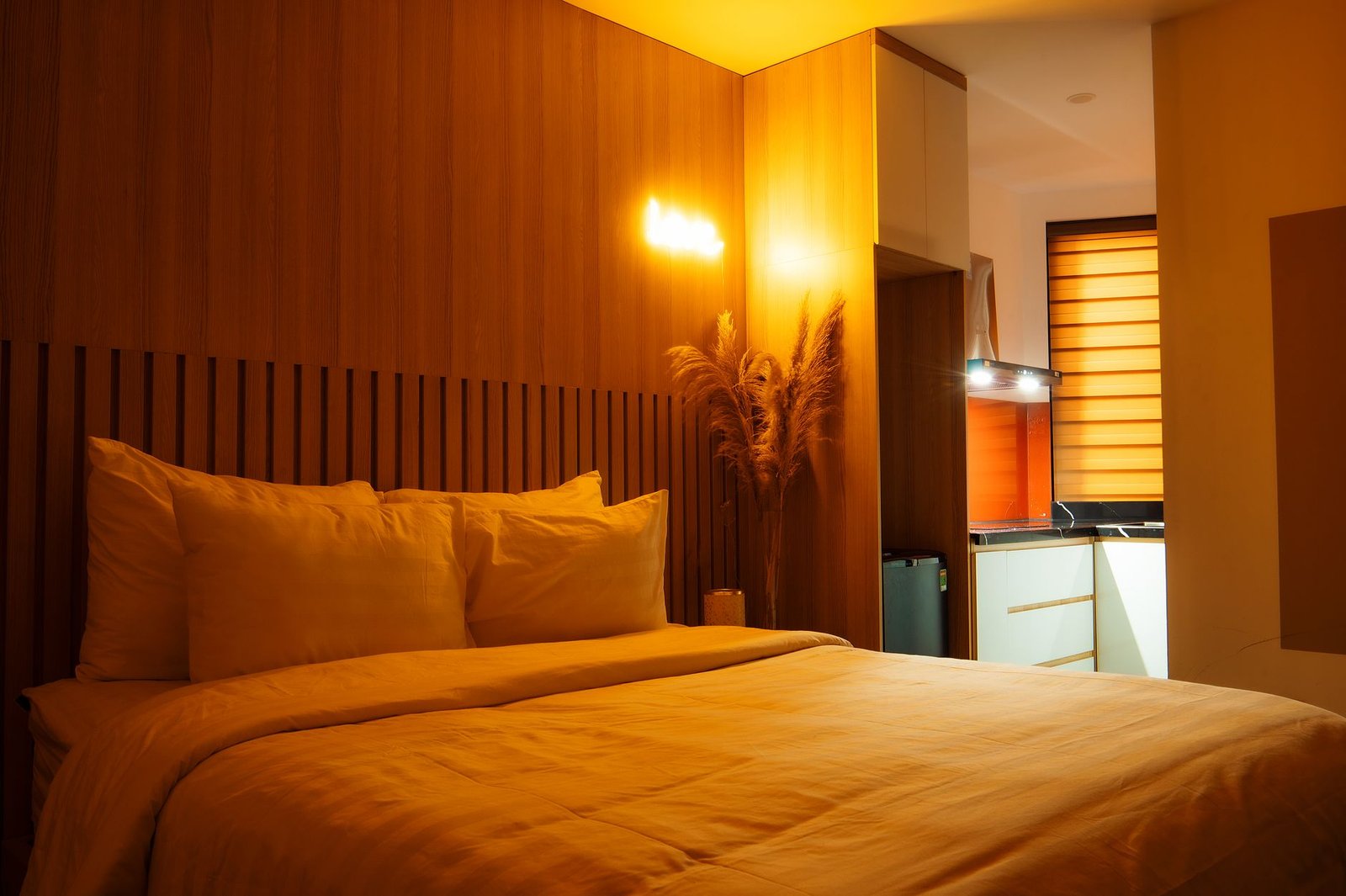
The master bedroom transcends a mere sleeping space; it is a personal sanctuary, a restorative retreat from the demands of the day. Achieving this elevated state of relaxation hinges critically on an often-underestimated element: lighting. In 2026, advancements in illumination technology and design philosophy offer unprecedented opportunities to sculpt an environment of profound comfort and tranquility. This exploration delves into the strategic deployment of ambient, task, and accent lighting, integrating cutting-edge materials and smart home capabilities to craft optimal restorative environments within main bedrooms. The objective is to guide the homeowner in creating a luminous experience that nurtures well-being and enhances every moment spent within this most private of domains.
Ambient Illumination: The Foundational Glow
Ambient lighting serves as the primary light source, providing an overarching warmth and general visibility to the master bedroom. Its role is to establish the room’s mood, ensuring a soft, inviting glow that promotes relaxation without harshness. In 2026, the focus for ambient lighting shifts towards highly adaptable, diffused, and health-conscious solutions.
Layering for Luminous Comfort
- Recessed Lighting with Tunable White LEDs: A hallmark of modern design, recessed fixtures are less obtrusive. When equipped with tunable white LEDs, residents can dynamically adjust the color temperature from a crisp, energizing daylight (5000K+) in the mornings to a warm, melatonin-supportive amber (2200K-2700K) in the evenings. This supports the body’s natural circadian rhythm, a key 2026 trend in wellness design.
- Cove Lighting: Integrated LED strips hidden within ceiling coves or architectural details create an ethereal, indirect glow that washes walls or ceilings with light. This technique eliminates glare and visually expands the space, offering a supremely soothing effect.
- Smart Central Fixtures: While ceiling-mounted fixtures remain popular, 2026 models prioritize diffused light distribution and smart capabilities. Features like adaptive dimming, voice control integration, and compatibility with home automation systems are standard. Materials like recycled acrylics and bio-plastics are increasingly used for diffusers, aligning with sustainability trends.
The objective is to avoid stark contrasts, instead creating a uniform, gentle embrace of light, easily adjustable for various activities and times of day. Gaining traction are biophilic lighting systems, subtly mimicking natural light cycles and intensity, connecting interior spaces to outdoor environments and promoting psychological well-being.
Task-Oriented Brilliance: Purposeful Radiance
While ambient lighting sets the stage, task lighting provides focused illumination for specific activities, bright enough for its purpose yet non-disruptive to the overall relaxed atmosphere. Precision and flexibility are paramount.
Strategic Placement for Daily Rituals
- Bedside Lamps with Integrated Wireless Charging: Table lamps or wall-mounted sconces positioned on either side of the bed are indispensable for reading or focused work. In 2026, these fixtures often feature integrated LED panels with adjustable brightness and color temperature. Many models now incorporate wireless charging pads for smart devices, reducing clutter. Modern material choices include sustainably sourced wood, low-VOC brushed metals, and woven plant fibers for shades, offering aesthetic appeal and environmental consciousness.
- Overhead Reading Lights: Articulating wall-mounted lamps or slim pendant lights, designed with focused beams, can provide dedicated reading light without spilling broadly into the room. Glare-reducing diffusers are critical to prevent eye strain.
- Dressing Area Illumination: For walk-in closets or vanity areas, dedicated task lighting is essential. Linear LED strips within cabinetry, illuminated mirrors with tunable light settings, and adjustable spot lighting ensure accurate color rendition and sufficient brightness for grooming. OLED mirror panels offer seamless, edge-to-edge illumination that is incredibly thin and energy-efficient.
The design principle here is to provide illumination precisely where and when it is needed, preventing unnecessary light pollution in the broader sleeping area. Gesture-controlled dimming and activation are emerging features, allowing the resident to adjust light levels with a simple hand movement, enhancing convenience and maintaining a sense of calm.
Accentuated Atmosphere: Sculpting with Light
Accent lighting is the artistic element of the lighting scheme, used to highlight specific features, architectural details, or artwork, adding depth, drama, and personality to the master bedroom. It transforms a functional space into a visually rich, engaging environment.
Highlighting Architectural Features and Decor
- Wall Washers and Picture Lights: Low-profile LED wall washers can graze a textured wall, drawing attention to its materiality, or softly illuminate a collection of artworks. Smart picture lights, often battery-operated or miniature wired units, offer precise directional control and adjustable color temperatures to best showcase pieces.
- Under-Furniture LED Strips: Concealed LED strips beneath the bed frame, floating nightstands, or wardrobes create a subtle, floating effect, adding a contemporary edge and a gentle ambient glow that can serve as a soft nightlight. RGBW (Red, Green, Blue, White) LED strips are popular for allowing homeowners to customize the mood with millions of color options.
- Decorative Fixtures: Sculptural table lamps, floor lamps, or small pendants, even when turned off, serve as decorative elements. When illuminated, they cast interesting patterns or provide a soft, localized glow that adds visual interest. 2026 sees a rise in fixtures crafted from recycled glass, bioplastics, or handcrafted natural materials, often incorporating miniaturized, energy-efficient LED filaments for a vintage yet modern appeal.
Accent lighting is about storytelling and creating focal points, adding layers of visual intrigue without overwhelming the space. It effectively defines zones within a larger master suite and draws the eye to curated decorative elements. Dynamic lighting scenes, easily controlled via a smart home system, allow the resident to transform the room’s entire ambiance with a single command, from a vibrant evening setting to a muted, romantic glow.
The Integrated Smart Home: Seamless Control in 2026
The true potential of a sophisticated master bedroom lighting scheme is fully realized through seamless smart home integration. In 2026, intuitive, highly responsive control systems are designed for ultimate convenience, transforming the lighting experience from individual switches into a holistic, orchestrated symphony.
Orchestrating the Luminous Experience
- Centralized Control Systems: A single app, voice command system, or wall-mounted touch panel can manage every light source in the room, from dimming to color temperature adjustments. This eliminates the need for multiple switches and enhances ease of use.
- Circadian Rhythm Integration: Advanced systems can automatically adjust the lighting intensity and color temperature throughout the day, aligning with the body’s natural sleep-wake cycles. This promotes better sleep quality and overall well-being for the resident.
- Pre-set Scenes and Automation: Pre-set ‘wake-up’ scenes can gradually brighten with cooler tones, ‘relax’ scenes offer warm, dim light, and ‘reading’ scenes boost task lighting. Motion sensors can trigger soft pathway lighting for nighttime navigation, ensuring safety without disturbing deep sleep.
- Energy Efficiency and Sustainability: Smart lighting systems inherently contribute to energy savings by allowing precise control and scheduling. Coupled with the prevalence of long-lasting, low-power LEDs and fixtures made from sustainable materials, these systems embody the eco-conscious design ethos of 2026.
The goal is to create a lighting environment that anticipates the resident’s needs, effortlessly shifting from functional brightness to profound tranquility with minimal interaction. This level of intelligent control ensures the master bedroom remains a truly restorative haven.
A thoughtfully designed lighting configuration in the master bedroom is an investment in personal well-being and domestic comfort. By carefully layering ambient, task, and accent lighting, and leveraging the sophisticated smart home technologies and sustainable material innovations of 2026, homeowners can transform their main sleeping quarters into an unparalleled sanctuary. The resident’s ability to precisely control the mood, functionality, and aesthetic appeal of their environment through light is a powerful tool for enhancing relaxation and fostering a truly restorative experience, night after night.