
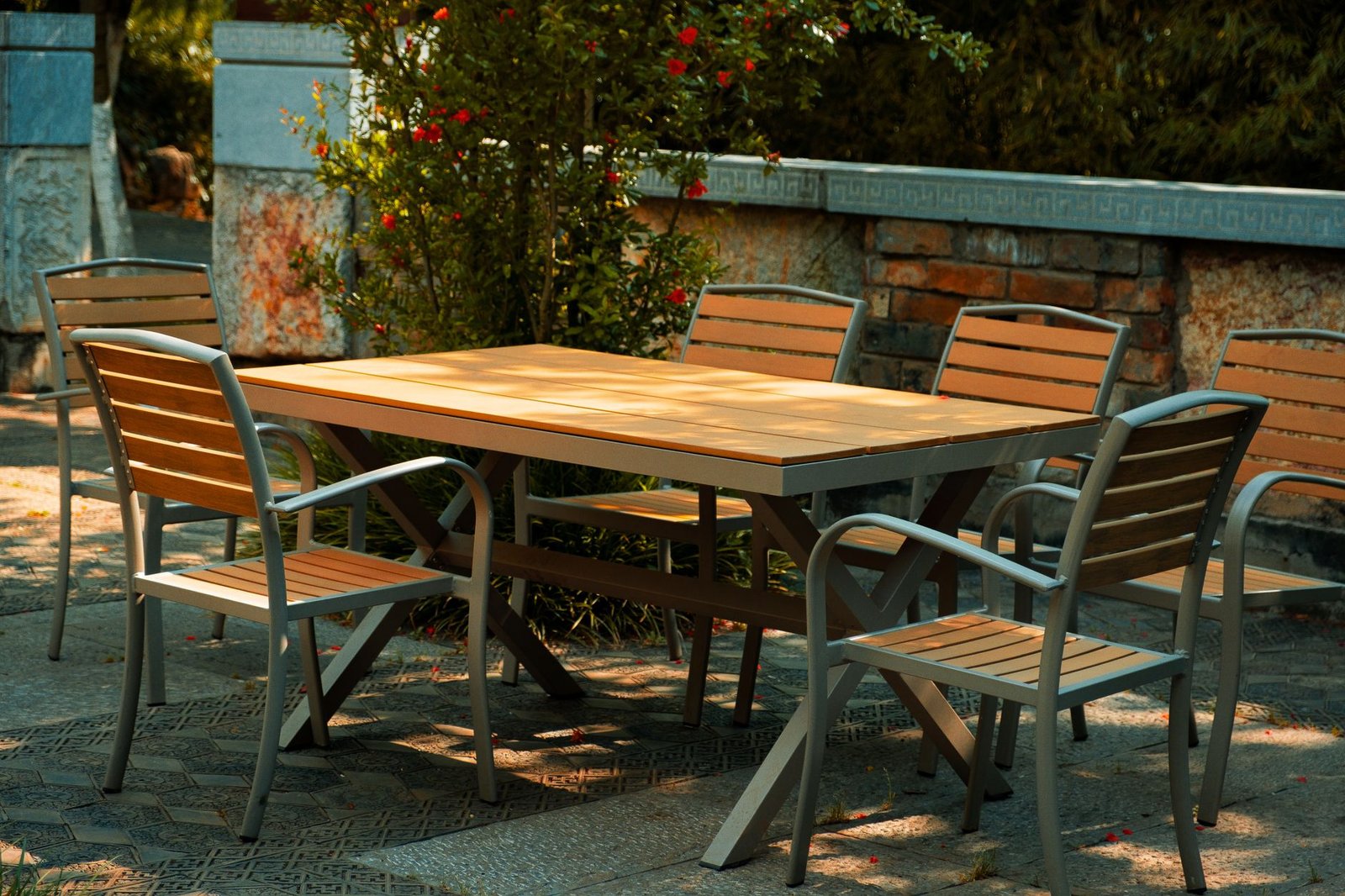
For homeowners navigating the challenges of blustery outdoor spaces, selecting the best outdoor furniture for windy patios in 2026 hinges on prioritizing robust materials, low-profile designs, and effective anchoring solutions. The optimal choices integrate heavy-gauge metals, advanced composite materials, or inherently weighty constructions designed to withstand significant wind forces. Modern trends in outdoor living emphasize not only durability but also aesthetic appeal and sustainable practices, ensuring both stability and style.
Understanding Wind Dynamics and Patio Resilience
High winds can transform an idyllic patio into a source of frustration, with lightweight furniture becoming a safety hazard. Understanding the specific wind patterns affecting a particular outdoor space is the first step toward creating a resilient setup. Exposed rooftops, coastal properties, and areas prone to strong gusts require furniture designed for extreme stability.
The Challenge of Gusts and Stability
Wind force is not merely a constant push; it involves unpredictable gusts and uplift. Furniture needs to resist both horizontal displacement and overturning. The overall weight, surface area, and center of gravity of each piece play critical roles in its ability to remain grounded. Residents in wind-prone areas often face significant investment decisions to secure their outdoor environments.
Assessing the Resident’s Microclimate
Before any purchase, the homeowner should evaluate the specific wind conditions of their patio. Is it consistently breezy, or does it experience infrequent but intense gusts? Are there natural windbreaks, or is the space entirely exposed? This assessment informs the necessary degree of furniture weight and the robustness of securing mechanisms required.
Premier Furniture Materials for Windy Patios in 2026
Material science in 2026 offers an array of options engineered for strength, durability, and wind resistance. The focus is on dense, heavy materials or those with superior structural integrity.
Heavy-Gauge Metals: Enduring Strength
Metals remain a cornerstone for wind-resistant outdoor furniture due to their inherent weight and resilience. Each type offers distinct advantages:
- Wrought Iron: Unmatched in weight, wrought iron is exceptionally stable. Its density makes it virtually impervious to high winds. Modern wrought iron furniture often features intricate designs and superior rust-resistant finishes, enhancing its longevity. Its classic aesthetic continues to appeal in 2026.
- Powder-Coated Steel: While lighter than wrought iron, heavy-gauge steel offers excellent stability, especially when combined with a sturdy design. The advancement in powder-coating technology ensures enhanced corrosion resistance, crucial for long-term outdoor use. Steel frames provide a contemporary look and can support substantial cushions.
- Thick-Walled Aluminum: Often perceived as lightweight, heavy-gauge, thick-walled aluminum is a strong contender. Its principal advantage is corrosion resistance, making it ideal for coastal or humid climates. For wind resistance, aluminum furniture requires thoughtful design — often larger profiles, lower centers of gravity, and sometimes integrated ballast – to add necessary mass. Advances in aluminum alloys further strengthen these options.
Innovative Composites and Engineered Solutions
The outdoor furniture market in 2026 sees continued innovation in composite materials, offering alternatives that blend strength with modern aesthetics.
- High-Density Polymer Composites with Ballast: These materials, often incorporating internal weighting (such as sand or concrete fillers), mimic the stability of heavier metals without the same corrosion concerns. They are molded into various forms, providing sleek, contemporary designs that are surprisingly heavy and stable.
- Fiber-Reinforced Concrete (FRC) and Cement-Based Furniture: For ultimate immovable stability, FRC furniture is a leading choice. These pieces are exceptionally heavy, durable, and offer a unique, minimalist aesthetic. They are resistant to virtually all weather conditions, including extreme winds, and require minimal maintenance, solidifying their premium status.
- Recycled Plastics with Internal Weighting: Advancements in recycling technologies have led to robust, heavy outdoor furniture made from recycled plastics. When engineered with internal cavities filled with sand or other dense materials, these pieces offer impressive wind resistance while being an environmentally conscious choice.
Design Principles for Enhanced Wind Resistance
Beyond material, the fundamental design of outdoor furniture significantly impacts its wind-fighting capabilities. Thoughtful design can mitigate the forces of strong gusts.
Weight and Mass: The Fundamental Countermeasure
The most straightforward defense against wind is weight. Furniture that is inherently heavy will resist being moved or overturned. This is why materials like wrought iron, steel, and FRC are often recommended. For lighter materials, design elements that increase overall mass are crucial.
Low-Profile and Aerodynamic Shapes
Furniture with a lower profile presents less surface area for the wind to catch. Sofas and loungers that sit closer to the ground, rather than elevated chairs, will inherently be more stable. Similarly, designs with smooth, curved, or slatted surfaces can allow wind to pass through or over, reducing drag and uplift forces compared to solid, boxy shapes.
Open Framework and Perforated Surfaces
Pieces designed with open frames or perforated backs and seats allow wind to pass through, significantly reducing the pressure buildup that can lift or topple solid pieces. This principle is often applied to dining chairs and tables, where slatted designs are not only aesthetically pleasing but functionally superior in windy conditions.
Interconnected and Modular Systems
In 2026, many outdoor furniture sets feature modular components that can be securely connected. When individual pieces are linked together, they create a larger, heavier, and more stable unit, making the entire arrangement less susceptible to wind displacement. Heavy-duty connectors and latches are key features to look for.
Advanced Securing and Anchoring Strategies
Even the heaviest furniture can benefit from additional securing methods, especially in exceptionally exposed locations.
Dedicated Furniture Anchors and Straps
Specialized furniture anchors can be drilled into concrete patios or decks, providing a direct attachment point for furniture. Heavy-duty straps or cables can then secure furniture legs to these anchors. For items like umbrellas or gazebos, robust in-ground anchors are indispensable.
Weighted Planters and Strategic Placement
Large, heavy planters filled with soil and plants can serve a dual purpose: adding greenery and acting as windbreaks or anchoring points. Strategically placing these around furniture, or even securing furniture to them with appropriate hardware, can provide additional stability. Ensuring furniture is placed in corners or against walls can also offer natural protection.
Integrated Ballast Systems
Some contemporary outdoor furniture is designed with built-in compartments for ballast, allowing the homeowner to add sandbags or other weights discreetly within the furniture frame. This provides customizable stability without affecting the aesthetic.
Professional Installation Considerations
For complex or very exposed patio designs, consulting a landscape architect or a professional installer familiar with wind mitigation strategies is advisable. They can recommend optimal layouts, custom anchoring solutions, and even suggest structural modifications to enhance overall patio resilience.
Maintaining Longevity and Aesthetics
Proper care ensures wind-resistant furniture remains effective and attractive for years.
Regular Inspections
Periodically inspecting all furniture pieces, especially connection points, anchors, and material surfaces, ensures that any wear and tear is addressed promptly. This prevents small issues from escalating into major problems that could compromise stability.
Proper Storage
During extreme weather warnings or prolonged off-season periods, storing lighter or more delicate pieces indoors or securing them under a heavy, tied-down cover is always the safest practice. Even heavy furniture can benefit from covers to protect finishes and extend lifespan.
Conclusion
Choosing the best outdoor furniture for windy patios in 2026 involves a thoughtful approach to materials, design, and securing methods. Prioritizing heavy-gauge metals, innovative weighted composites, and low-profile, open designs will lay a strong foundation. Supplementing these choices with advanced anchoring techniques and strategic placement will ensure the resident’s outdoor living space remains comfortable, safe, and beautiful, even when facing the strongest gusts.