Cultivating a productive garden often seems synonymous with abundant sunshine, yet limited light does not preclude a vibrant, edible landscape. In 2026, many resilient fruits, vegetables, and herbs are perfectly suited for less sunny spots, offering homeowners the opportunity to maximize every inch of their outdoor space. This article explores eight top edible plants that flourish in shade, alongside modern cultivation strategies for success.
Understanding Shade in 2026’s Garden
Before selecting plants, it is crucial for the resident to understand the types of shade present in their garden. ‘Full shade’ implies less than three hours of direct sun daily, ‘partial shade’ means three to six hours, often in the morning or late afternoon, and ‘dappled shade’ indicates filtered light through tree canopies. Modern advancements in plant breeding and horticultural technology in 2026 mean more shade-tolerant varieties are available, often with enhanced disease resistance and improved yields. Soil health also plays a paramount role; shaded areas often retain more moisture but can be prone to compaction or nutrient leaching.
Top 8 Edible Plants for Shaded Havens
-
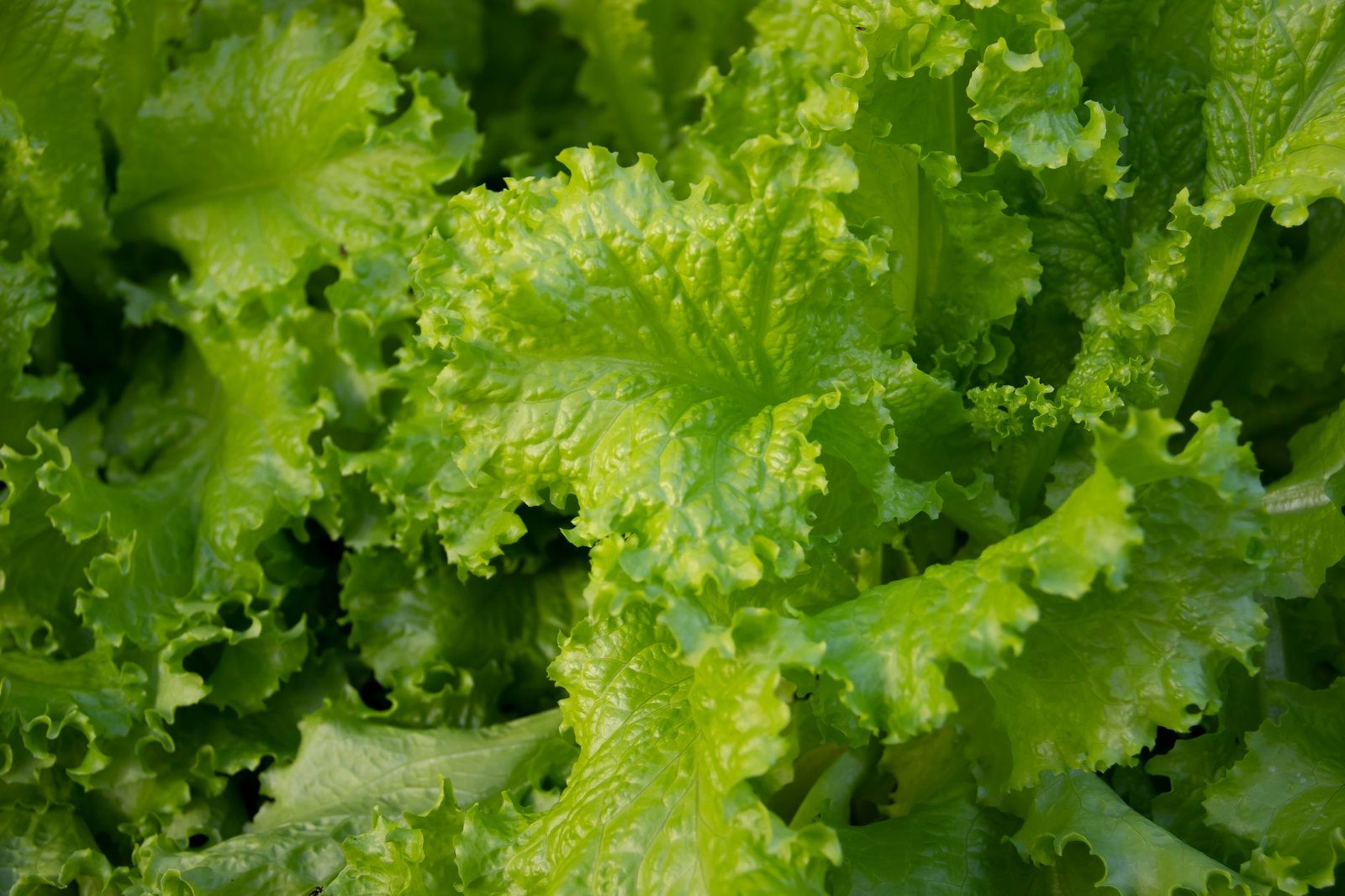
Leafy Greens (Spinach, Lettuce, Kale, Swiss Chard)
Leafy greens are champions of the shaded garden. They often prefer cooler temperatures and less intense light, which prevents bolting and bitterness. Spinach thrives in partial to full shade, yielding tender leaves. Various lettuce varieties, especially loose-leaf types, also perform exceptionally well with limited direct sunlight. Kale and Swiss Chard, while tolerating some sun, will produce more succulent leaves in partial shade, extending their harvest season.
- Cultivation Tip: Consistent moisture is key. Consider using self-watering planters made from recycled bioplastics, a popular sustainable trend in 2026, to maintain optimal hydration without constant manual intervention.
-
Root Vegetables (Carrots, Radishes, Beets)
While often associated with sun, certain root vegetables can surprise homeowners in shaded conditions. Radishes mature quickly and will still form roots in partial shade, though they may take slightly longer. Carrots can also grow successfully in partial shade, producing smaller but equally flavorful roots. Beets, primarily grown for their leaves but also for their roots, will yield well in areas receiving morning sun and afternoon shade.
- Cultivation Tip: Ensure the soil is loose, rich in organic matter, and free of obstructions. Raised beds filled with premium, biodynamically enhanced soil mixes available in 2026 are ideal for root development in shaded plots.
-
Herbs (Mint, Chives, Parsley, Cilantro)
Many herbs thrive with less direct sun, enhancing shaded culinary gardens. Mint is notoriously robust and can become invasive, making it an excellent candidate for shaded containers. Chives tolerate partial shade beautifully, producing delicate oniony flavors. Parsley, especially flat-leaf varieties, prefers cooler, shadier conditions, which prevents it from bolting. Cilantro, which quickly bolts in hot sun, can have its harvest extended significantly in a shadier spot.
- Cultivation Tip: Rotate herb containers or use vertical gardening systems designed for shaded patios, incorporating smart sensors for nutrient delivery, a growing trend for efficient urban gardening in 2026.
-
Brassicas (Broccoli, Cauliflower)
These cool-season crops can often benefit from afternoon shade, which helps prevent them from bolting prematurely in warmer climates. Broccoli and cauliflower require consistent moisture and nutrient-rich soil. While they need some light to form heads, a location with morning sun and afternoon shade is often ideal, particularly in regions with hot summers.
- Cultivation Tip: Supplement soil with compost and balanced organic fertilizers. Consider using a ‘living mulch’ of clover or other nitrogen-fixing plants to keep the soil cool and moist, mimicking natural forest floor conditions.
-
Peas
Peas are another excellent cool-season crop that appreciates partial shade, especially in areas with warm spring weather. The shade helps to keep the plants from getting stressed and extends their productive period. Both shelling peas and snap peas can be grown effectively.
- Cultivation Tip: Provide a trellis or support structure for climbing varieties. Modern biodegradable trellising materials, often made from hemp or bamboo composites, are durable and eco-friendly for 2026 gardens.
-
Bush Beans
While pole beans generally prefer full sun, many bush bean varieties can produce a decent harvest in partial shade. They are quick growers and provide a reliable crop, making them a good option for filling in shadier spots that still receive a few hours of direct light.
- Cultivation Tip: Ensure good air circulation to prevent fungal issues, which can be more prevalent in shaded, moist environments. Pruning lower leaves can assist.
-
Strawberries
Typically thought of as sun-lovers, alpine strawberries (Fragaria vesca) are particularly well-suited to partial shade, producing small, intensely flavorful fruits. Even some conventional garden strawberries can produce a reasonable crop in locations with at least four hours of direct sun or bright dappled light, though yields may be slightly reduced.
- Cultivation Tip: Mulch heavily around plants to retain moisture and suppress weeds. Advanced ‘smart mulch’ technologies incorporating moisture sensors are emerging for precise care.
-
Currants and Gooseberries
These berry bushes are naturally adapted to woodland edge conditions, making them perfect for shadier garden spots. They prefer cool, moist environments and will produce abundant fruit even with significant shade. Red, white, and black currants, along with gooseberries, are hardy and relatively low-maintenance.
- Cultivation Tip: Ensure good drainage and amend soil with plenty of organic matter. Pruning for air circulation and fruit production is beneficial, following sustainable horticultural practices.
Cultivation Strategies for Shady Success in 2026
Assessing Light Levels Accurately
The first step for the homeowner is to meticulously observe light patterns throughout the day and across seasons. Light meters, including advanced smartphone apps with AI integration available in 2026, can provide precise readings. Understanding how sun exposure changes with the sun’s path and foliage density is critical for optimal plant placement.
Soil Optimization and Modern Amendments
Shaded garden beds benefit immensely from high-quality, well-draining soil rich in organic matter. Compost, aged manure, and leaf mold improve soil structure, fertility, and moisture retention. In 2026, biochar-enriched soil amendments are increasingly popular for their long-term benefits in carbon sequestration and microbial activity. Incorporating mycorrhizal fungi inoculants can also enhance nutrient uptake for plants in less-than-ideal light conditions, fostering robust root systems.
Watering Wisdom for Shaded Zones
Shaded areas generally require less frequent watering than sunny spots because evaporation rates are lower. However, consistent moisture is vital. Overwatering can lead to root rot, especially in poorly draining soils. Drip irrigation systems, often paired with smart controllers that adjust based on real-time soil moisture and weather data, represent a 2026 standard for efficient and precise watering, preventing both underwatering and overwatering.
Container Gardening Innovations
For residents with challenging fixed shade, container gardening offers unparalleled flexibility. Modern, lightweight composite containers, some designed with integrated self-watering reservoirs or smart fabric technology that regulates soil temperature and moisture, allow for plants to be moved to capture available patches of sunlight throughout the day. This adaptability is a significant advantage for maximizing yields in varied light conditions.
Pest Management in Shaded Areas
Shaded and often damper environments can sometimes attract different pests or exacerbate fungal diseases. Regular inspection and good air circulation are proactive measures. Integrated Pest Management (IPM) strategies, utilizing beneficial insects, organic sprays, and resistant plant varieties, remain the preferred approach in 2026, minimizing chemical use and supporting overall garden ecosystem health.
Embracing the potential of a shaded garden in 2026 opens a world of possibilities for the resident. By selecting appropriate plants and implementing smart cultivation techniques informed by modern horticultural advancements, even areas with limited sunlight can become highly productive and beautiful edible landscapes, contributing to the comfort and sustainability of any home.