
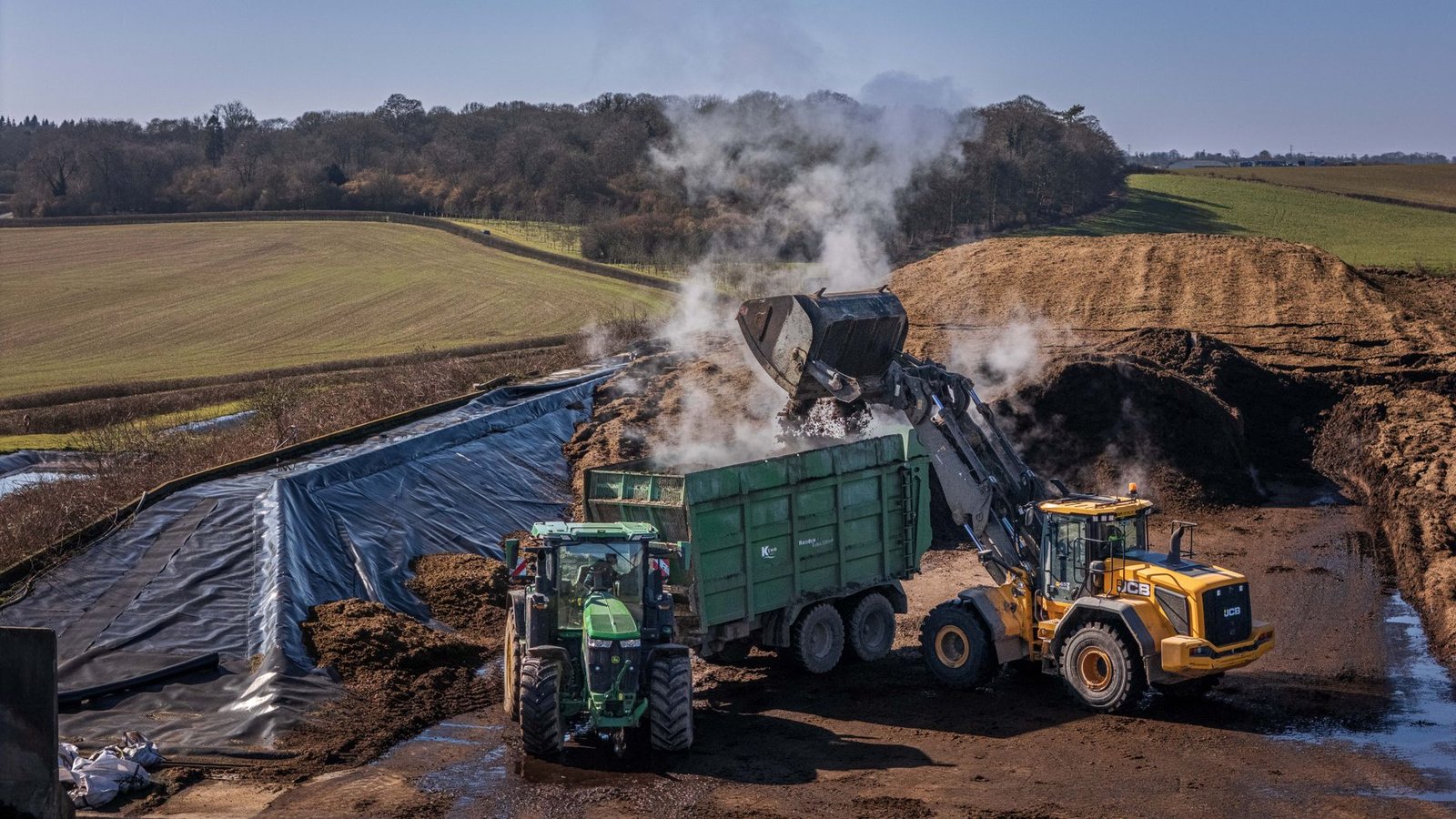
For achieving a fast-acting compost pile in 2026, the most effective solutions combine potent microbial inoculants with readily available nitrogen sources. While several options exist, specialized microbial blends featuring diverse strains of bacteria and fungi, often augmented with biochar, consistently demonstrate superior performance in accelerating organic material breakdown. These advanced formulations, designed to optimize the microbial ecosystem, significantly reduce composting times for the dedicated homeowner.
Understanding Compost Starters and Their Role
Composting, the natural process of recycling organic matter into a nutrient-rich soil amendment, is fundamentally driven by microbial activity. Compost starters are substances designed to either introduce a concentrated population of beneficial microorganisms or provide the essential nutrients needed to rapidly stimulate existing microbial life within the compost pile. Their primary goal is to kickstart and maintain the decomposition process, especially in new piles or when working with difficult-to-break-down materials.
How They Accelerate Decomposition
Compost starters work by optimizing the conditions for thermophilic bacteria and fungi, the microscopic workhorses of the compost pile. They typically achieve this in one or more ways:
- Inoculation: Introducing a high concentration of active microorganisms that are specifically adapted to compost environments, overwhelming naturally occurring, slower-acting populations.
- Nutrient Provision: Supplying a readily available source of nitrogen, which is crucial for microbial growth and reproduction. Microbes require nitrogen to build proteins and enzymes necessary for breaking down carbon-rich organic matter.
- pH Adjustment: Some starters include buffering agents to maintain an optimal pH range for microbial activity, preventing the pile from becoming too acidic or alkaline.
- Enzyme Activation: Certain modern formulations contain enzymes that pre-digest complex organic molecules, making them more accessible for microbial consumption.
Key Ingredients and Their Roles
The composition of compost starters can vary, but common effective ingredients include:
- Microorganisms: A blend of thermophilic bacteria (e.g., Bacillus species) and fungi (e.g., Trichoderma species) are fundamental. These strains are selected for their efficiency in breaking down cellulose, lignin, and other complex organic compounds.
- Nitrogen Sources: Alfalfa meal, blood meal, feather meal, or plant-based proteins provide the essential nitrogen boost. Urea, a synthetic nitrogen source, is also used in some commercial products.
- Carbon Sources: While not a primary component, some starters might include a small amount of easy-to-digest carbon (e.g., molasses) to provide initial energy for the microbes.
- Biochar: An increasingly popular additive in 2026, biochar provides a porous habitat for microbial colonies, enhancing their longevity and activity while also improving aeration and nutrient retention within the pile.
- Trace Minerals: Minor amounts of minerals like iron, manganese, and zinc can act as co-factors for microbial enzymes.
Top Compost Starters for Rapid Decomposition in 2026
The landscape of compost acceleration has evolved, with an emphasis on biological solutions and sustainable additives. The resident seeking the fastest results should consider these categories:
Microbial Inoculants (Advanced Blends)
High-concentration microbial inoculants remain the gold standard for rapid composting. Modern formulations in 2026 often feature a wider diversity of bacterial and fungal strains, engineered for resilience and broad-spectrum decomposition. These often come as powdered concentrates or liquid solutions. Look for products specifying high CFU (Colony Forming Unit) counts and a mix of thermophilic and mesophilic organisms for sustained activity across temperature ranges. Some leading brands integrate sporulating bacteria, ensuring long shelf-life and activation upon contact with moisture.
Nitrogen-Rich Activators (Organic and Synthetic)
For a quick nutrient boost, especially in piles rich in carbonaceous materials (e.g., leaves, wood chips), nitrogen-rich activators are highly effective. Alfalfa meal and blood meal are excellent organic choices, providing slow-release nitrogen along with other trace nutrients. Synthetic urea-based starters offer a very rapid nitrogen release but should be used judiciously to avoid ammonia off-gassing. The homeowner should prioritize organic sources for a more balanced and sustainable nutrient profile.
Biochar-Infused Blends
A significant trend in 2026 is the integration of biochar into compost starters. These blends leverage biochar’s highly porous structure to create an optimal micro-environment for beneficial microbes. The biochar acts as a stable ‘microbial hotel,’ protecting the organisms from extreme conditions and providing ample surface area for colonization. This not only accelerates initial decomposition but also leads to a more stable, nutrient-retaining finished compost. Biochar also contributes to improved aeration within the pile, a critical factor for speedy decomposition.
Enzyme-Based Formulations
Emerging in the market are enzyme-based compost accelerators. These products contain specific enzymes (e.g., cellulases, proteases, lipases) that break down complex organic polymers before microbial action. While not yet as widespread as microbial inoculants, enzyme-based starters show promise in synergizing with microbial activity, particularly for very tough materials. When combined with a robust microbial inoculant, they can offer a powerful one-two punch for rapid breakdown.
Factors for Optimal Compost Acceleration
Even the best compost starter will underperform without proper management of the pile itself. Optimal conditions are paramount for rapid decomposition.
Moisture Management
The compost pile should maintain a consistent moisture level, similar to a wrung-out sponge. Too dry, and microbial activity slows to a crawl; too wet, and anaerobic conditions can develop, leading to odors and slower decomposition. Regular monitoring and watering are essential.
Aeration Techniques
Thermophilic decomposition is an aerobic process, meaning it requires oxygen. Frequent turning of the pile (every few days to weekly) introduces oxygen, prevents compaction, and distributes heat and moisture evenly. Specialized aeration tools can also assist in maintaining sufficient airflow.
Carbon-to-Nitrogen Ratio Balance
An ideal C:N ratio of approximately 25-30:1 is crucial for rapid microbial proliferation. ‘Greens’ (grass clippings, food scraps) provide nitrogen, while ‘browns’ (leaves, wood chips, shredded paper) provide carbon. A balanced mix ensures microbes have both energy (carbon) and building blocks (nitrogen) for growth.
Material Size and Type
Smaller pieces of organic material decompose much faster than larger ones due to increased surface area for microbial colonization. Shredding or chopping materials before adding them to the pile significantly accelerates the process. Avoiding highly recalcitrant materials (e.g., large woody branches) also contributes to faster results.
Application Best Practices for Fast Results
To maximize the efficacy of any compost starter, residents should follow these guidelines:
- Layering: Build the compost pile in layers, alternating between green and brown materials. Sprinkle the compost starter throughout these layers, especially when adding new material.
- Activation: Most microbial starters require moisture to activate. Ensure the starter is adequately wetted into the pile.
- Temperature Monitoring: A fast-acting pile will generate significant heat (130-160°F or 55-70°C). Monitoring the temperature indicates active decomposition and when turning might be necessary.
- Consistency: Regular turning, moisture checks, and balanced material additions will maintain the rapid decomposition cycle. Avoid adding large quantities of single material types at once.
By combining a high-quality, modern compost starter – particularly advanced microbial inoculants, potentially augmented with biochar – with diligent pile management, the homeowner can achieve a fast-acting compost pile that delivers nutrient-rich soil amendment in a significantly shorter timeframe.