In the evolving landscape of compact urban living, efficient storage solutions are paramount. For residents grappling with limited square footage, the perennial question arises: are wall-mounted shelves or freestanding units the superior choice for small spaces in 2026? While both offer distinct advantages, wall-mounted shelving generally emerges as the more effective solution for maximizing spatial efficiency and maintaining an open aesthetic in smaller homes, particularly when considering the innovations in materials and modularity prevalent in the current year. The optimal choice, however, hinges on a deeper analysis of space utilization, installation demands, inherent versatility, and overall aesthetic impact.
Maximizing Verticality: The Wall-Mounted Advantage
Wall-mounted shelves, by their very nature, liberate precious floor space. This fundamental characteristic makes them a compelling option for compact living environments where every square inch counts. In 2026, the absence of a floor footprint allows for greater flexibility in furniture arrangement and creates an illusion of openness, a crucial psychological benefit in smaller rooms. Narrow hallways, tight corners, and above-door spaces, often underutilized, become prime real estate for storage when employing wall-mounted systems.
Modern Materials and Smart Integration in 2026
The shelving landscape in 2026 is marked by significant advancements that further bolster the appeal of wall-mounted units. Manufacturers are increasingly utilizing sustainable composite materials, such as recycled polymers reinforced with natural fibers or ultra-lightweight yet robust aluminum alloys, providing strength without bulk. This allows for sleeker profiles and higher load capacities compared to previous generations. Furthermore, the integration of smart home technology is a notable trend; contemporary wall-mounted shelves frequently feature discreet, integrated LED lighting with motion sensors, inductive charging pads for portable devices, and even hidden cable management systems, transforming them into multi-functional utility hubs rather than mere storage. Modular rail systems, a prominent development, enable homeowners to easily reconfigure shelf heights and add or remove components without extensive re-drilling, offering unparalleled adaptability to changing needs.
Aesthetic Impact and Customization
From an aesthetic perspective, wall-mounted shelves contribute to a clean, minimalist design, aligning with current interior trends that favor uncluttered spaces. Floating shelves, in particular, create a sophisticated, almost ethereal look that enhances a room’s visual lightness. The ability to customize their height and placement allows for personalized displays, turning functional storage into an integral part of the home’s decor. For instance, a series of staggered shelves can create an artistic focal point, while a long, continuous shelf can visually expand a wall.
The Versatility of Freestanding Shelving
Despite the strong case for wall-mounted options, freestanding shelves retain their relevance, offering a different set of advantages that can be beneficial in certain small space scenarios. Their primary appeal lies in their portability and ease of initial setup.
Portability and Room Definition
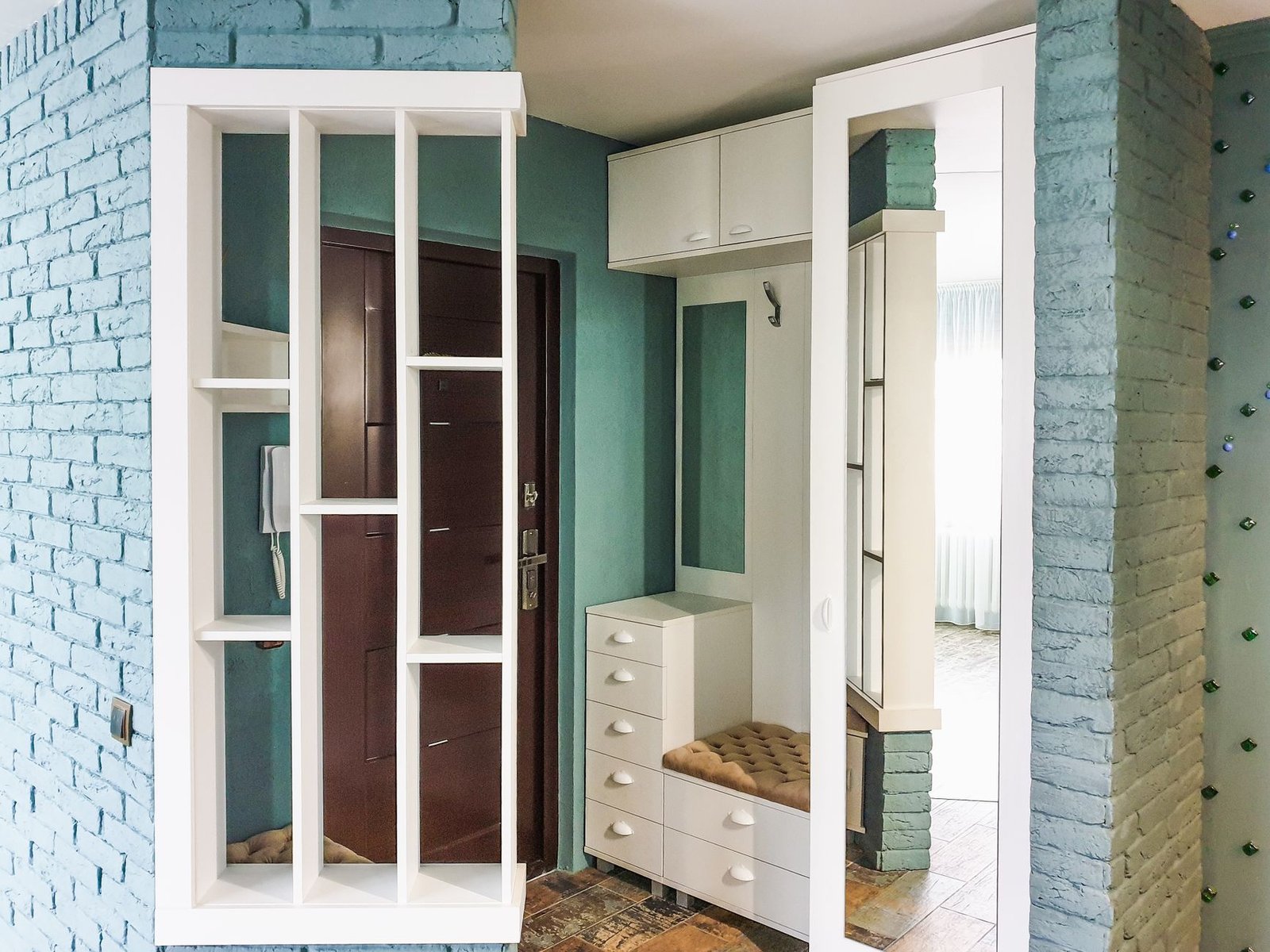
Freestanding units require no permanent wall attachment, making them ideal for renters or individuals who frequently rearrange their living spaces. The ability to relocate a unit with minimal effort provides a level of flexibility that wall-mounted systems cannot match. In open-plan small homes, taller freestanding shelves can serve a dual purpose as subtle room dividers, delineating distinct zones without the permanence of a full wall. Bi-directional freestanding units are a 2026 innovation designed specifically for this purpose, offering accessible storage or display from both sides, further enhancing their utility in defining spaces.
Material Innovations and Multi-Functional Designs
Current trends in freestanding shelving focus on multi-functionality and adaptability. Many units incorporate desks, folding tables, or integrated seating, effectively consolidating several furniture pieces into one compact footprint. Materials like sustainably sourced bamboo, reclaimed timber, and even innovative 3D-printed components allow for lightweight yet sturdy constructions. Some 2026 models feature noise-dampening panels, catering to the increasing demand for dedicated, quiet home office nooks within smaller residences. Assembly-friendly designs that utilize interlocking mechanisms or minimal hardware are also common, reflecting a desire for consumer convenience.
Comparing Key Factors for Small Spaces
A direct comparison of critical factors illuminates when one system might be preferred over the other.
Space Utilization and Perceived Openness
For sheer floor space maximization, wall-mounted shelves are inherently superior, leaving the entire floor area unobstructed. This contributes significantly to a perceived sense of openness and prevents rooms from feeling cramped. Freestanding units, while offering storage, will always occupy a physical footprint on the floor, which can be a significant drawback in extremely limited spaces. However, their ability to define zones in an open-concept layout is a unique spatial benefit.
Installation and Commitment
Installation is a major differentiator. Wall-mounted shelves necessitate drilling, careful measurement, and often require locating wall studs or using appropriate anchors for security, potentially requiring professional assistance for heavier loads. This represents a more permanent commitment. Freestanding units, conversely, typically only require assembly and can be repositioned or removed without leaving any lasting marks on walls, offering greater flexibility for temporary living situations or frequent redecorating.
Versatility and Reconfigurability
Both types offer versatility, but in different forms. Wall-mounted systems, especially those with modular track designs popular in 2026, allow for significant customization in terms of height and layout, adapting to various items. Freestanding units excel in versatility through their mobility and ability to act as room dividers or integrate with other furniture functions. The choice here depends on whether the homeowner prioritizes static, tailored organization or dynamic, repositionable functionality.
Safety Considerations
In homes with children or pets, safety is paramount. Properly installed wall-mounted shelves are inherently stable and eliminate tipping hazards, provided they are securely fastened into structural elements. Freestanding shelves, especially taller, narrower units, pose a potential tipping risk if not anchored to the wall, a safety measure often overlooked but strongly recommended by design experts.
Conclusion: Tailoring the Solution to the Resident’s Needs
For the homeowner prioritizing an unobstructed floor plan, a minimalist aesthetic, and long-term, highly customized storage, wall-mounted shelves in 2026 present a compelling and often superior solution for small spaces. The continuous advancements in lightweight, sustainable materials, smart integration, and modularity have made them more adaptable and aesthetically pleasing than ever before. However, for residents valuing immediate portability, ease of setup, the ability to define distinct zones within an open layout, or seeking integrated multi-functional furniture, freestanding units remain a viable and practical choice, especially with the sophisticated bi-directional and noise-dampening designs now available. Ultimately, the most effective shelving strategy for a small home in 2026 is one that meticulously aligns with the resident’s lifestyle, specific storage demands, and desired aesthetic, thoughtfully balancing spatial efficiency with functional flexibility.