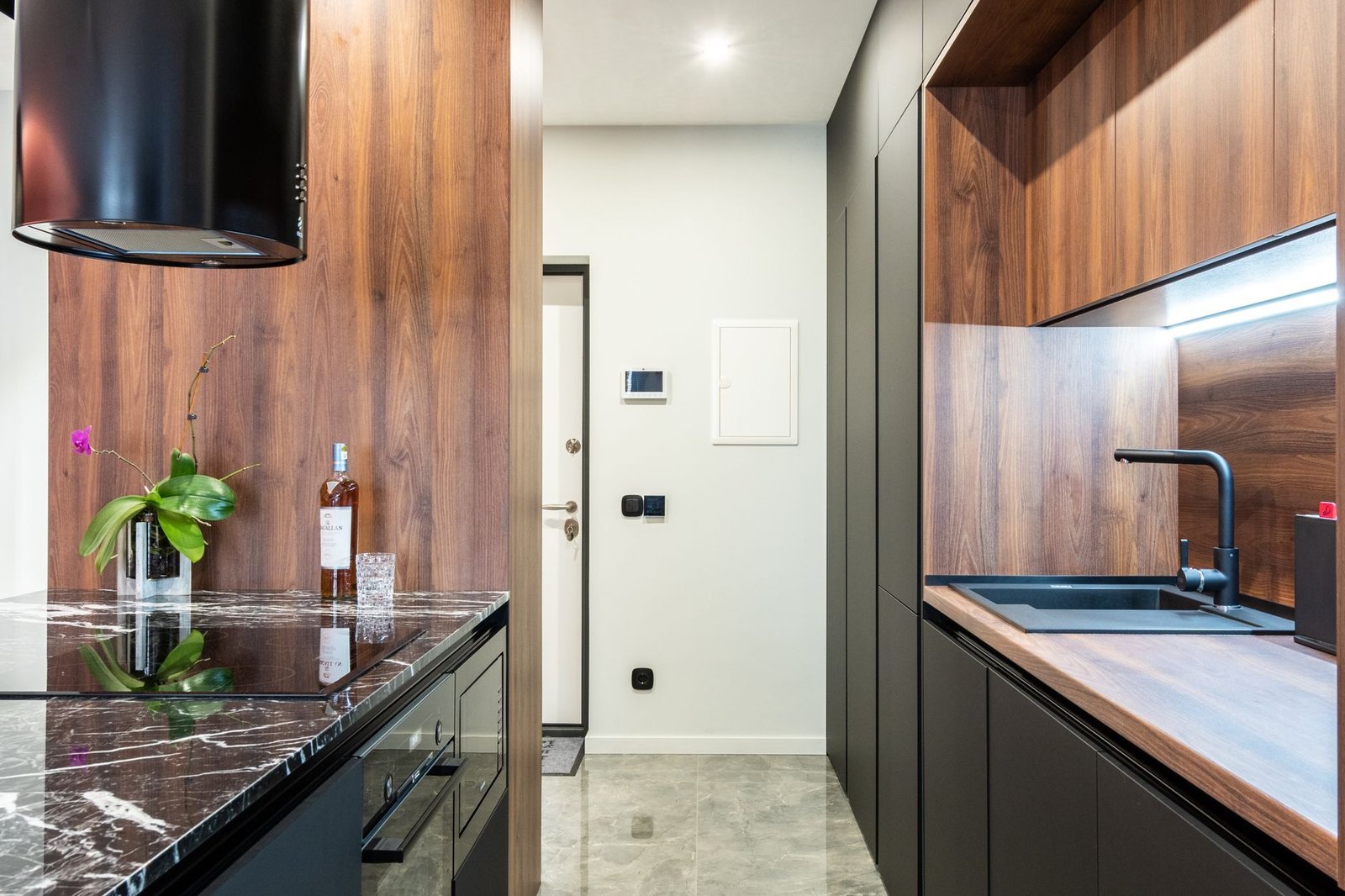
In 2026, selecting the best material for durable kitchen countertops involves balancing longevity, ease of maintenance, and current aesthetic preferences. While “best” is subjective and dependent on specific household needs and lifestyle, leading contenders like engineered quartz, porcelain slabs, and sintered stone consistently rise to the forefront for their exceptional resilience and design versatility, making them strong recommendations for a long-lasting kitchen.
Evaluating Durability: Key Factors for 2026 Countertops
When assessing countertop durability, several critical factors must be considered by the homeowner, especially with the advancements in material science witnessed by 2026. These factors go beyond mere hardness and encompass a material’s overall resistance to daily wear and tear.
- Scratch Resistance: A paramount concern, particularly in high-traffic kitchen environments. Materials that resist scratches maintain their pristine appearance longer.
- Heat Resistance: The ability to withstand hot pots and pans without damage, a crucial attribute for any functional kitchen surface.
- Stain Resistance: Imperviousness to common kitchen spills like wine, coffee, and oils prevents permanent discoloration and reduces maintenance effort.
- Impact Resistance: Protection against chips and cracks from dropped objects, ensuring the countertop can endure accidental knocks.
- UV Stability: Important for kitchens with abundant natural light, preventing fading or discoloration over time.
- Maintenance Requirements: While not a direct measure of durability, low-maintenance materials inherently maintain their condition better as they require less harsh cleaning or frequent sealing.
Top Contenders for 2026: Material Deep Dive
The 2026 market offers an impressive array of materials, each with unique advantages. Understanding their specific properties helps the homeowner make an informed decision.
Quartz (Engineered Stone)
Engineered quartz continues its reign as a top choice in 2026, lauded for its exceptional balance of aesthetics and practicality. Composed primarily of ground quartz mixed with resins, polymers, and pigments, it offers consistent patterns and colors.
- Durability: Highly resistant to scratches, impacts, and non-porous, making it inherently stain-resistant. Newer formulations in 2026 offer enhanced heat resistance.
- Maintenance: Requires virtually no sealing. Cleaning involves simple soap and water.
- Aesthetics: Available in an extensive range of colors and patterns, including convincing natural stone imitations and contemporary solid hues. 2026 trends favor matte finishes and subtle veining for a sophisticated, understated look.
- Considerations: While improved, extreme heat exposure can still cause damage, and direct sunlight over prolonged periods can lead to discoloration in some older or lower-quality formulations.
Porcelain Slabs
Gaining significant traction in 2026, large-format porcelain slabs are engineered from highly refined clay and minerals fired at extremely high temperatures. This process results in an incredibly dense and durable material.
- Durability: Offers superior resistance to heat, scratches, UV rays, and most chemicals. It is non-porous, ensuring excellent stain resistance and hygienic properties.
- Maintenance: Extremely low maintenance, requiring no sealing and simple cleaning.
- Aesthetics: Available in stunning, realistic replications of natural stone (marble, granite, onyx), concrete, and even wood, often with through-body designs. The large format minimizes seams, creating a sleek, expansive look aligned with 2026 minimalist trends.
- Considerations: While extremely hard, the edges can be susceptible to chipping if not properly installed or protected. Installation requires specialized expertise due to the material’s weight and rigidity.
Sintered Stone (e.g., Dekton, Neolith)
Sintered stone represents an advanced class of ultra-compact surfaces created through a process that mimics accelerated metamorphic changes found in nature, fusing minerals at high pressure and temperature without resin binders.
- Durability: Considered one of the most durable options available. It is virtually impervious to scratches, extreme heat, UV radiation, and freezing temperatures. Its non-porous nature makes it highly stain-resistant and hygienic.
- Maintenance: Effortless to clean and requires no sealing whatsoever.
- Aesthetics: Offers incredible design versatility, replicating natural materials with exceptional fidelity, and also providing unique modern finishes. The large slab sizes cater to seamless, contemporary designs popular in 2026.
- Considerations: Similar to porcelain, edges can be vulnerable to impact damage. Installation is complex and requires highly skilled fabricators due to the material’s hardness and weight.
Natural Stone: Granite and Marble
While engineered options rise, natural stone retains its classic appeal in 2026, though with a clearer understanding of its specific characteristics and modern treatments.
Granite
A natural igneous rock, granite remains a robust choice for many homeowners.
- Durability: Inherently hard and resistant to scratches and heat. Its porosity varies, impacting stain resistance.
- Maintenance: Requires periodic sealing (typically annually) to maintain stain resistance. Spills should be wiped quickly.
- Aesthetics: Offers unique, natural patterns and colors. 2026 trends lean towards lighter, more subtle granites or those with dramatic, fluid veining.
Marble
Renowned for its luxurious appearance, marble continues to be selected for its unparalleled beauty.
- Durability: Softer and more porous than granite, making it susceptible to scratches, etching from acidic substances, and staining if not properly sealed and maintained.
- Maintenance: Requires regular sealing and immediate cleanup of spills. The homeowner should be prepared for its natural patina over time.
- Aesthetics: Its distinctive veining and classic appeal are timeless. Modern applications in 2026 often utilize marble in less high-traffic areas or incorporate advanced sealants for better protection.
Natural Stone Trends 2026: Advanced impregnating sealers offer enhanced protection against stains and etching, making natural stone a more practical choice for some. Honed and leathered finishes are preferred over highly polished, reducing visible fingerprints and etching.
Solid Surface (Acrylic)
Solid surface materials, such as Corian, are composed of acrylic polymers and natural minerals, offering a unique set of benefits.
- Durability: Resistant to impact and staining due to its non-porous nature. Scratches can be buffed out, and chips repaired seamlessly, offering excellent reparability. It is not highly heat resistant.
- Maintenance: Easy to clean with soap and water, requires no sealing.
- Aesthetics: Available in a wide array of colors and patterns, including seamless integration with sinks and backsplashes, creating a monolithic look. 2026 trends see it used for sculptural elements and integrated design.
- Considerations: Lower heat resistance compared to stone or quartz; hot pans can cause scorching. Less scratch-resistant than harder materials.
Emerging Trends and Future-Proofing Countertop Choices in 2026
Beyond material specifics, several overarching trends influence countertop selection in 2026, guiding homeowners towards choices that offer both style and longevity.
- Sustainability Focus: Increasing demand for materials with recycled content or those produced with environmentally conscious processes. Quartz, for example, often incorporates recycled glass.
- Seamless Integration: The desire for a minimalist, uncluttered aesthetic pushes for large slabs that minimize seams and allow for integrated sinks or waterfall edges.
- Hygienic Surfaces: Non-porous materials are highly valued for their ease of cleaning and resistance to bacteria, aligning with ongoing health and wellness priorities in the home.
- Textured Finishes: Beyond high polish, matte, honed, and leathered finishes are popular, offering tactile interest and often better camouflage for minor imperfections.
- Biophilic Design: A continued emphasis on bringing elements of nature indoors means natural stone looks (even if engineered) remain highly sought after, with organic patterns and earthy tones.
Making the Right Choice for the Homeowner
Ultimately, the “best” durable kitchen countertop material in 2026 is one that aligns perfectly with the resident’s specific lifestyle, aesthetic preferences, and budget. For a household demanding the absolute highest resistance to scratches, heat, and stains with minimal upkeep, sintered stone or porcelain slabs are unparalleled. These materials embody the pinnacle of modern material science for extreme durability.
Engineered quartz remains an outstanding all-rounder, offering superb durability, vast aesthetic options, and low maintenance for most active kitchens. For those who appreciate the unique beauty and character of natural stone and are prepared for specific maintenance routines, granite continues to be a strong, durable option, while marble offers unmatched luxury with careful consideration.
The decision should involve a thorough evaluation of daily usage patterns, the desired visual impact, and long-term maintenance commitment. Consulting with a qualified designer or fabricator can provide invaluable insights tailored to the individual kitchen project, ensuring a durable, beautiful, and functional countertop for years to come.