
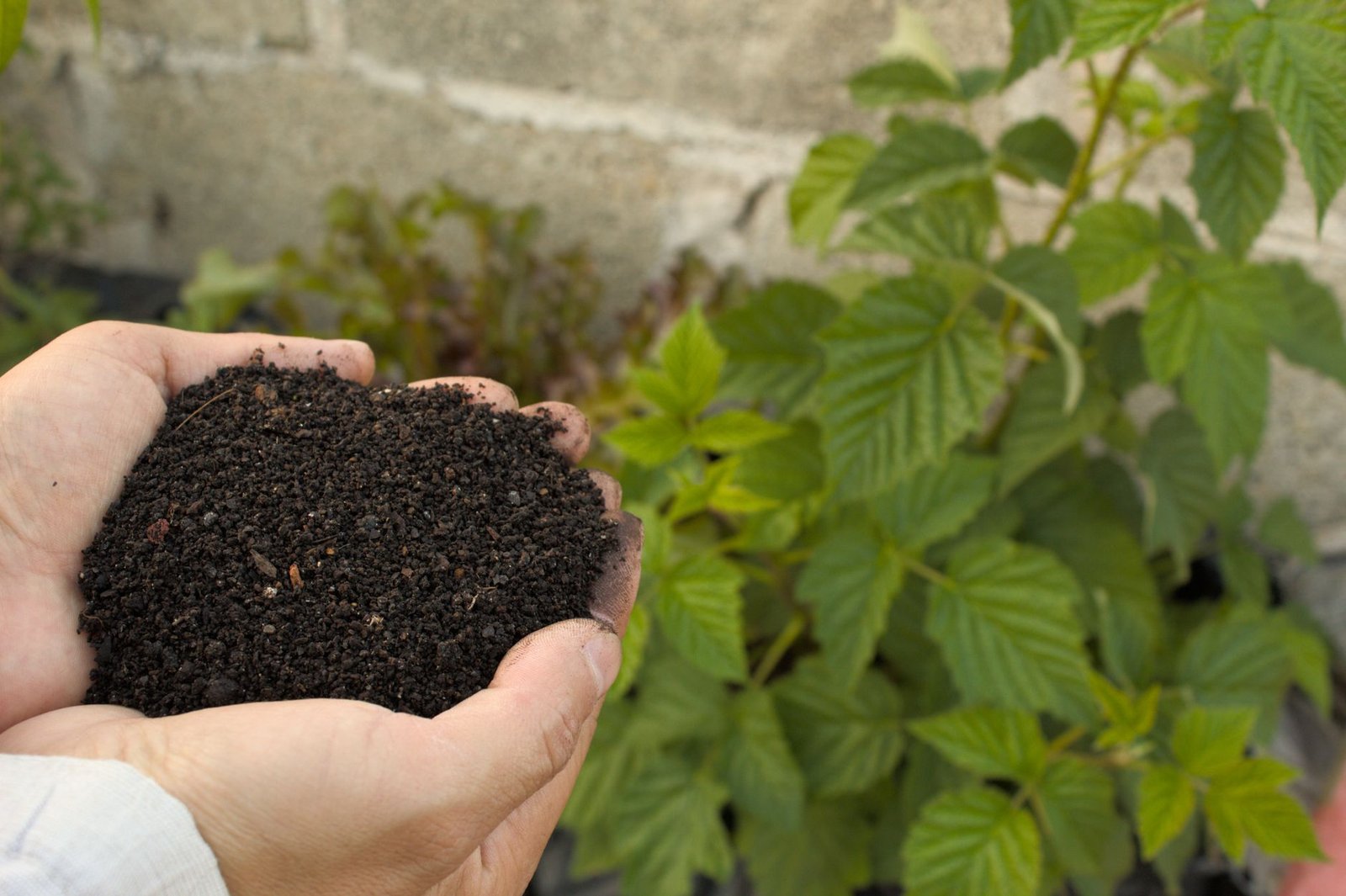
For the 2026 garden, the choice between compost tea and granular fertilizer often hinges on the gardener’s specific objectives and existing soil conditions. While compost tea excels at fostering a vibrant, living soil ecosystem, granular fertilizers offer precise, immediate nutrient adjustments. Neither is universally ‘better’; rather, their optimal use depends on balancing long-term soil health with acute plant needs within the evolving landscape of modern horticulture.
Understanding the distinct advantages and application methods of each option is crucial for any resident aiming to optimize their landscape’s vitality. As interest in sustainable practices grows and material science advances, homeowners have more sophisticated tools than ever to cultivate thriving outdoor spaces.
Understanding Compost Tea
What is Compost Tea?
Compost tea is a liquid extract derived from well-aged compost, rich in beneficial microorganisms and soluble nutrients. It is not merely ‘compost water’ but a carefully brewed solution where microorganisms from the compost multiply, creating a concentrated microbial inoculant. In 2026, home brewing kits have become increasingly sophisticated, often incorporating aeration systems and nutrient activators to cultivate a diverse and robust microbial population.
The brewing process typically involves suspending compost in water, often with an air pump to maintain aerobic conditions (aerated compost tea) and prevent the proliferation of anaerobic, potentially harmful organisms. Molasses or other simple sugars are frequently added as a food source to encourage microbial growth. Non-aerated methods also exist, though they carry a higher risk of anaerobic conditions. Modern innovations include compost tea bags designed for precise nutrient release and easy application, reflecting a growing consumer demand for user-friendly organic solutions.
Benefits of Compost Tea
- Enhanced Soil Microbiology: The primary benefit of compost tea is its ability to introduce a vast array of beneficial bacteria, fungi, protozoa, and nematodes into the soil. These microorganisms play a critical role in nutrient cycling, making locked-up nutrients available to plants.
- Disease Suppression: A healthy, diverse microbial community can outcompete and suppress harmful soil-borne pathogens, offering a natural defense mechanism for plants. This biological control is a significant advantage in preventing common garden ailments.
- Improved Water Retention: Microorganisms help build soil structure by creating aggregates, which improves aeration and the soil’s capacity to hold water, leading to more resilient plants during dry spells.
- Organic and Sustainable: As a natural product, compost tea aligns perfectly with organic gardening principles, reducing reliance on synthetic chemicals and promoting ecological balance. It represents a closed-loop system when brewed from homemade compost.
- Gentle Application: The diluted nature of compost tea minimizes the risk of nutrient burn, making it safe for delicate seedlings and frequent application without harming plants.
Exploring Granular Fertilizers
What are Granular Fertilizers?
Granular fertilizers are solid formulations of plant nutrients, typically in small pellet or prill form. They can be broadly categorized into synthetic and organic types. Synthetic granular fertilizers are chemically manufactured to provide precise ratios of nitrogen (N), phosphorus (P), and potassium (K), along with essential micronutrients. Organic granular fertilizers, conversely, are derived from natural sources such as bone meal, blood meal, kelp meal, or processed manures.
In 2026, the market for granular fertilizers continues to evolve, with an emphasis on controlled-release technologies. These modern formulations utilize advanced polymer coatings or binders that gradually release nutrients over extended periods, minimizing nutrient leaching and reducing the frequency of application. Biodegradable polymer coatings are gaining traction, addressing environmental concerns associated with older plastic-based encapsulations.
Benefits of Granular Fertilizers
- Precise Nutrient Delivery: Granular fertilizers allow for accurate application of specific N-P-K ratios tailored to particular plant needs or soil deficiencies, as indicated by soil tests.
- Ease of Application: Spreading granular fertilizers is straightforward, whether by hand for small areas or with broadcast/drop spreaders for larger landscapes, offering consistent coverage.
- Immediate and Sustained Release: Quick-release granular options provide an immediate boost for plants showing acute nutrient deficiencies. Controlled-release variants ensure a steady supply of nutrients over weeks or months, reducing labor and preventing nutrient spikes.
- Cost-Effectiveness: For covering extensive areas, granular fertilizers can be a more economical choice compared to the labor-intensive production and application of compost tea.
- Modern Formulations: The development of targeted slow-release technologies, including AI-informed release mechanisms that respond to soil moisture or temperature, ensures nutrients are available precisely when plants need them, enhancing efficiency and reducing waste.
Application Methods and Considerations
Compost Tea Application
Compost tea is typically applied as a foliar spray directly onto plant leaves, where nutrients and microbes can be absorbed, or as a soil drench around the base of plants. Foliar application can enhance disease resistance and nutrient uptake directly through leaf surfaces. Soil drenching introduces beneficial microorganisms into the root zone, improving soil structure and nutrient availability.
The frequency of application can vary from weekly to monthly, depending on plant needs and soil health. Proper storage of compost tea is crucial; it is best used within 24-48 hours of brewing to ensure the viability of beneficial microorganisms. Specialized sprayers designed for microbial solutions help prevent clogging and ensure even distribution.
Granular Fertilizer Application
Granular fertilizers are applied by broadcasting them evenly over the soil surface, side-dressing (placing them in a trench or band alongside plants), or incorporating them into the soil during planting. The timing of application is critical, often coinciding with pre-planting preparation or specific growth stages of plants (e.g., spring growth, fruiting). After application, especially with quick-release varieties, thorough watering is essential to dissolve the granules and carry nutrients into the root zone, preventing burn.
Spreaders provide uniform coverage for lawns and large beds. For targeted applications around individual plants, hand application with careful measurement is often preferred. Modern smart spreaders in 2026 can even integrate with soil sensors to recommend precise application rates, minimizing waste and environmental impact.
Effectiveness and 2026 Trends
Compost Tea Effectiveness
The effectiveness of compost tea is rooted in its ability to foster a vibrant soil food web. Over time, consistent application leads to significant improvements in soil structure, nutrient cycling, and plant resilience. Plants grown in biologically active soil tend to be more resistant to environmental stressors, pests, and diseases, reducing the need for synthetic interventions. Research in 2026 continues to explore the specific microbial consortia most effective for different plant types and soil conditions, leading to more targeted tea formulations and brewing protocols.
The DIY sustainability aspect of compost tea also resonates with the eco-conscious homeowner, offering a tangible way to reduce ecological footprint and promote a circular garden economy.
Granular Fertilizer Effectiveness
Granular fertilizers offer unparalleled precision and speed in addressing specific nutrient deficiencies, leading to rapid visible improvements in plant growth and vigor. For plants with high nutrient demands or in soils with severe imbalances, granular fertilizers can provide the necessary elements for robust development. The reliability of nutrient content ensures predictable results, which is particularly valuable for optimizing yields in vegetable gardens or promoting lush lawns.
Advanced slow-release technologies, including those leveraging nanotechnology for precise nutrient release over extended periods, have become a cornerstone of efficient fertilization in 2026. These innovations ensure plants receive consistent nutrition while minimizing environmental leaching, making granular options more sustainable than ever.
Synergy and Hybrid Approaches
Many seasoned gardeners in 2026 recognize that the optimal approach often involves leveraging the strengths of both compost tea and granular fertilizers. A common strategy involves using a controlled-release granular fertilizer at the beginning of the growing season to provide a foundational nutrient supply, then supplementing with regular applications of compost tea to nurture the soil’s microbial life and enhance plant resilience. This hybrid method offers the best of both worlds: immediate nutrient support and long-term soil health improvement.
The integration of soil testing remains a critical first step for any informed gardener. Modern soil test kits, often integrated with smartphone apps, provide rapid analysis and personalized recommendations for nutrient and microbial amendments, guiding the judicious use of both fertilizer types. Precision agriculture principles are increasingly applied to home gardens, with smart sensors providing real-time data on soil moisture, pH, and nutrient levels, allowing for highly targeted and efficient applications.
Making the Best Choice for a 2026 Garden
The decision between compost tea and granular fertilizer is not about finding a single ‘superior’ product but rather selecting the most appropriate tool for a particular gardening goal and context. For the resident prioritizing long-term soil health, microbial diversity, and sustainable practices, compost tea emerges as the more beneficial choice. Its continuous application builds a resilient, living soil ecosystem that supports plant health from the ground up, reducing reliance on external inputs over time.
Conversely, for the homeowner seeking precise nutrient correction, rapid growth response, or ease of application across larger areas, especially when dealing with known nutrient deficiencies, granular fertilizers offer an efficient and effective solution. Modern formulations, particularly slow-release and organically derived granules, provide increasingly sustainable options.
Ultimately, the savvy gardener in 2026 often embraces a blended approach. By combining the immediate nutrient power of granular fertilizers with the soil-building prowess of compost tea, residents can cultivate gardens that are not only vibrant and productive but also ecologically resilient. An informed decision, guided by soil analysis and an understanding of specific plant needs, will unlock the full potential of any domestic landscape.