
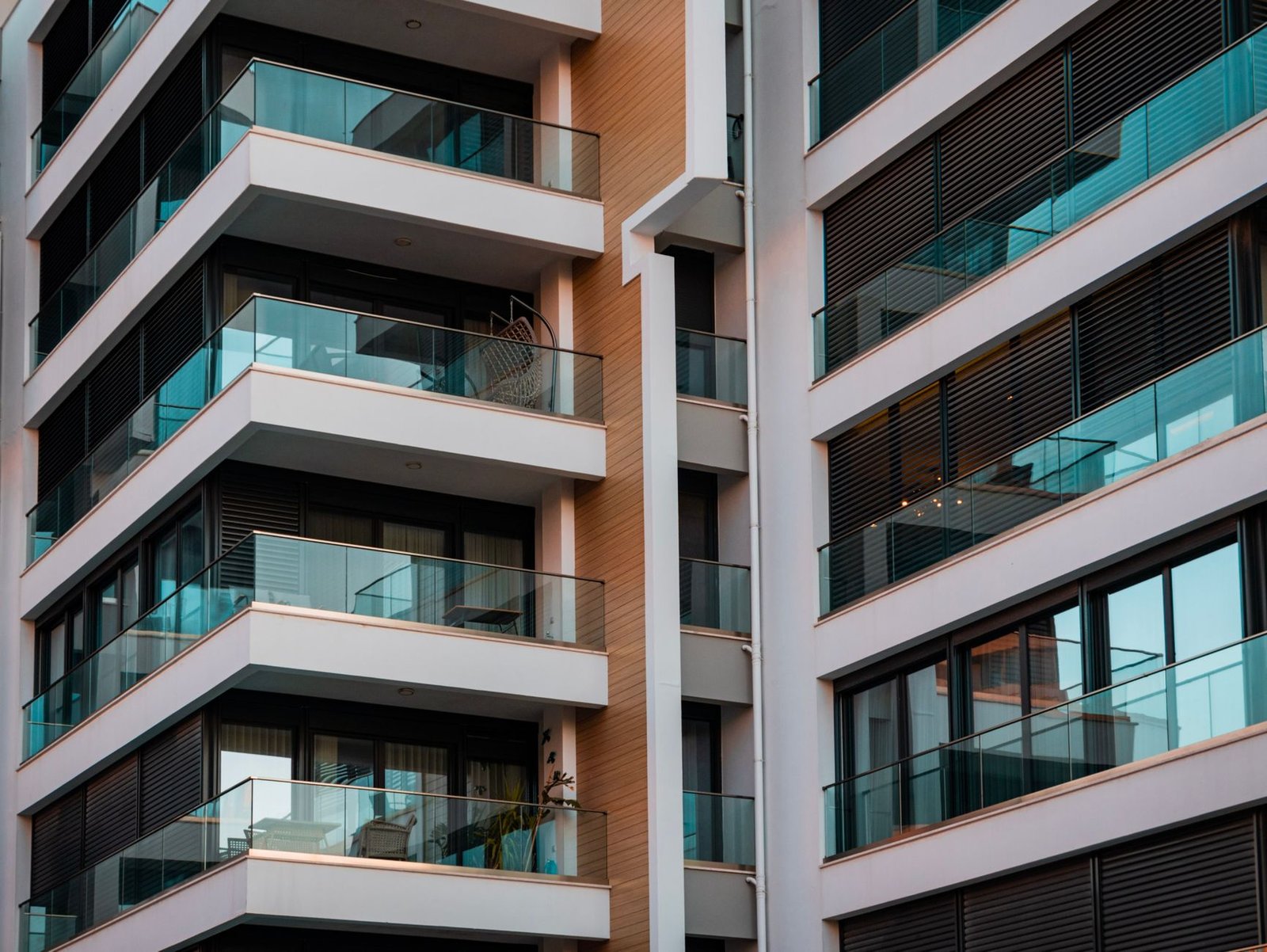
A tranquil home environment is a cornerstone of well-being, yet the pervasive issue of noise from neighboring residences can significantly disrupt this peace. For residents contending with disruptive sounds, effective and budget-friendly soundproofing solutions are readily available. This article outlines seven cost-effective strategies for homeowners and renters to significantly reduce noise transmission and foster a quieter living space in 2026, leveraging both traditional DIY methods and modern material developments.
Understanding Noise Transmission: The Foundation of Soundproofing
Before implementing solutions, it is crucial to comprehend how sound travels. Noise generally propagates through two primary mechanisms: airborne noise and structure-borne noise. Airborne noise, such as voices or music, travels through the air and can penetrate gaps, thin walls, and windows. Structure-borne noise, like footsteps or vibrations from appliances, transmits directly through solid building materials like floors and walls. Effective soundproofing addresses both pathways, aiming to block, absorb, or diffuse sound waves.
In 2026, advancements in material science offer more efficient and eco-friendly options. Recycled acoustic foams, bio-based sound dampening compounds, and smart textile blends with inherent sound-absorbing properties are becoming increasingly accessible, making DIY projects more effective than ever before.
DIY Soundproofing Strategies: Creating a Quieter Apartment
1. Seal Gaps and Cracks
One of the most overlooked and cost-effective soundproofing techniques involves sealing air leaks. Sound travels easily through even the smallest openings. The resident should meticulously inspect around windows, doorframes, electrical outlets, and any utility penetrations for gaps.
-
Weatherstripping and Door Sweeps: Install adhesive-backed weatherstripping around door and window frames to create a tight seal when closed. Door sweeps or ‘draft stoppers’ can effectively block sound from traveling under entry doors.
-
Acoustic Caulk: For persistent small cracks and gaps in walls or around fixtures, specialized acoustic caulk (also known as acoustical sealant) offers superior sound-blocking properties compared to standard caulk. This material remains flexible, preventing future cracks from building shifts.
-
Outlet Seals: Foam gaskets can be placed behind electrical outlet and light switch covers to block sound leakage through these common wall penetrations. Modern versions in 2026 often incorporate fire-retardant and slightly denser materials for enhanced performance.
2. Enhance Window Soundproofing
Windows are significant weak points for noise infiltration. Improving their sound isolation can dramatically reduce external disturbances.
-
Heavy, Insulated Curtains: Opt for thick, heavy curtains or drapes made from dense, layered fabrics. Thermal or blackout curtains, which often feature multiple layers or a dense weave, are particularly effective at absorbing sound waves. In 2026, smart fabrics with integrated acoustic properties are gaining traction, offering aesthetic appeal alongside enhanced sound absorption.
-
Window Inserts: For a more robust solution, consider temporary window inserts. These clear acrylic or polycarbonate panels fit inside the existing window frame, creating an additional air gap that significantly dampens sound without permanent modification.
-
Caulking and Weatherstripping (Revisited): Ensure the window frames themselves are properly sealed to the wall with acoustic caulk and that the movable sashes have effective weatherstripping.
3. Absorb Wall Noise with Panels and Art
Bare walls are reflective surfaces that allow sound to bounce around, exacerbating noise issues. Introducing sound-absorbing elements can mitigate this.
-
DIY Acoustic Panels: Constructing simple acoustic panels using rigid foam insulation (like mineral wool or rock wool, known for its sound absorption) wrapped in an aesthetically pleasing fabric is a cost-effective project. These can be hung like artwork on shared walls.
-
Wall Tapestries and Textiles: Large, heavy tapestries, quilted wall hangings, or even thick blankets can absorb a surprising amount of airborne noise. Position these on walls shared with noisy neighbors.
-
Bookshelves: A fully stocked bookshelf against a shared wall acts as an effective sound diffuser and absorber. The irregular surfaces of books break up sound waves, and their mass adds an additional barrier.
4. Tackle Floor-Borne Sounds
Impact noise from above or below can be particularly intrusive. Addressing floor-related sound transmission is crucial for multi-story living.
-
Thick Area Rugs with Underlay: Placing thick area rugs, especially those with high pile, on hard flooring significantly absorbs impact noise from below and reduces sound reflection within the room. Pairing them with dense rubber or felt rug pads further enhances their sound-dampening capabilities.
-
Interlocking Foam Mats: For specific areas or as a temporary solution, interlocking foam floor mats (often used in home gyms or playrooms) can be discreetly placed under existing rugs or in less visible areas to add mass and absorption.
5. Door Soundproofing Upgrades
Interior doors, especially hollow-core ones, offer minimal sound isolation. Enhancements can make a noticeable difference.
-
Add Mass: Attach a dense material to the inside of the door. Options include mass loaded vinyl (MLV), a heavy sound barrier material, or even a thick custom-cut plywood panel. Ensure the door hinges can support the added weight.
-
Door Gasketing: Beyond simple weatherstripping, specialized door gasketing kits create an airtight seal around the entire doorframe when closed, similar to refrigerator seals, drastically improving sound containment.
6. Strategic Furniture Placement
The arrangement of furniture can significantly impact a room’s acoustics and sound isolation.
-
Buffer Zones: Position large, upholstered furniture items such as sofas, armchairs, or wardrobes against shared walls. These items, especially when filled with soft materials, absorb sound waves and create a physical barrier, dampening noise from the adjacent unit.
-
Bookshelves as Barriers: As mentioned, a well-filled bookshelf against a shared wall provides an excellent mass-based and diffusive barrier against sound.
7. Greenery and Acoustic Textiles
Leveraging natural elements and modern textile innovations can add both aesthetic appeal and sound absorption.
-
Indoor Plants: While not a primary soundproofing solution, dense clusters of large, leafy indoor plants can contribute to minor sound absorption and diffusion, particularly at higher frequencies. They also improve air quality and overall comfort.
-
Acoustic Room Dividers/Screens: In 2026, portable acoustic room dividers made from recycled PET felt or other sound-absorbing materials are becoming more common. These can be strategically placed to block or absorb direct sound paths within an open-plan living space or near a shared wall.
Conclusion: Reclaiming Tranquility
Achieving a quieter living environment amidst external noise is an attainable goal for any resident, even with budget constraints. By systematically applying these seven budget-friendly and DIY soundproofing methods, individuals can significantly reduce noise from neighbors and create a more serene and comfortable home. From sealing subtle gaps to strategically placing furniture and embracing modern acoustic textiles, each step contributes to building a personal sanctuary that enhances overall domestic comfort and well-being in 2026 and beyond.