
In 2026, the landscape of home security solutions continues its rapid evolution, offering homeowners an array of advanced options to safeguard their properties. Deciding between a smart video doorbell and a standalone security camera system often comes down to specific monitoring priorities and property layout. While smart doorbells excel at focused entryway surveillance and visitor interaction, dedicated outdoor security cameras provide broader, more flexible area coverage, with the optimal choice depending entirely on the resident’s unique security needs.
The Evolution of Smart Home Security in 2026
The year 2026 marks a significant period for smart home security, characterized by profound advancements in artificial intelligence (AI), hyper-personalization, and sustainable technology. Connectivity through 5G and the widespread adoption of the Matter protocol have created a more interconnected and responsive ecosystem. Edge computing, where data processing occurs closer to the source, reduces latency and enhances privacy, while AI algorithms now offer sophisticated anomaly detection, differentiating between pets, delivery drivers, and potential intruders with remarkable accuracy.
Material science in 2026 also contributes to more resilient and aesthetically integrated devices. Many manufacturers are incorporating sustainable, recycled polymer casings and advanced composite materials, offering enhanced durability against extreme weather conditions while minimizing environmental impact. Energy efficiency is paramount, with many devices featuring optimized power consumption and integrated micro-solar charging for extended battery life, reducing the frequency of maintenance.
Smart Video Doorbells: Entryway Guardians
Core Functionality and Advantages
Smart video doorbells in 2026 serve as a robust first line of defense, specifically engineered to monitor the primary entry point of a residence. These devices offer high-resolution video streams, often in 4K or even 8K, with advanced High Dynamic Range (HDR) capabilities to ensure clear images even in challenging lighting. Two-way audio communication allows the resident to interact with visitors remotely, while instant mobile alerts notify the homeowner of activity at the door.
Key advancements include highly accurate AI-driven package detection, which can identify and alert the user to deliveries and subsequently monitor their presence to deter theft. Integrated bio-sensors in some premium models can detect changes in body temperature or heart rate patterns, providing an additional layer of intelligent threat assessment. Enhanced facial recognition algorithms, which learn to distinguish between known family members, frequent visitors, and unfamiliar individuals, are becoming standard. Local storage options, often through integrated solid-state drives, complement cloud storage, offering greater data redundancy and control over personal footage. The ease of installation, often leveraging existing doorbell wiring or advanced battery technologies, makes them an attractive option for many homeowners.
Limitations and Considerations
Despite their strengths, smart doorbells possess inherent limitations primarily related to their fixed vantage point. The field of view is typically focused on the immediate entryway, potentially leaving blind spots to the sides of the door or extending beyond the porch area. While ultra-wide lenses aim to mitigate this, they cannot offer the comprehensive coverage of multiple cameras. Power considerations also remain; while battery-powered options offer flexibility, their need for periodic recharging or battery replacement can be a minor inconvenience, even with improved battery longevity in 2026 models.
Standalone Security Cameras: Comprehensive Surveillance
Core Functionality and Advantages
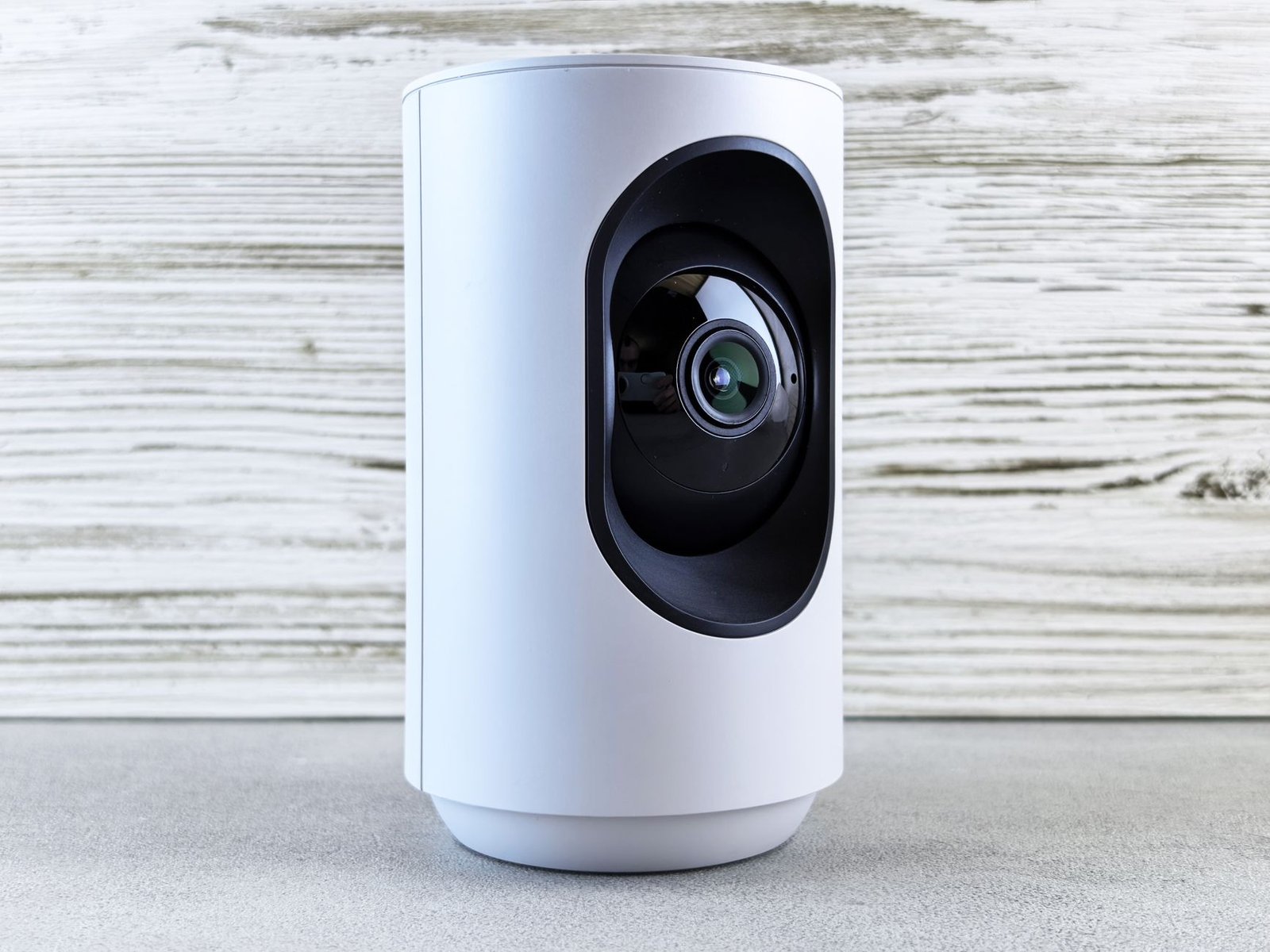
Dedicated outdoor security cameras offer unparalleled flexibility and coverage, making them ideal for monitoring larger areas, perimeters, and specific vulnerable points around a property. Modern 2026 cameras boast resolutions up to 8K, coupled with advanced low-light sensors and infra-red capabilities that can capture clear images in near-total darkness. Many models feature pan-tilt-zoom (PTZ) functionality, allowing the user to remotely adjust the camera’s orientation and zoom in on points of interest, providing dynamic surveillance.
Technological leaps in 2026 include sophisticated AI-powered motion tracking, which can intelligently follow subjects across a designated area, and perimeter monitoring features that create virtual fences, triggering alerts if crossed. Thermal imaging, once exclusive to high-end commercial systems, is increasingly available in consumer-grade cameras, offering detection capabilities even through dense foliage or fog. Connectivity often leverages robust mesh network capabilities for extended range and self-healing networks, ensuring consistent coverage. Sustainable solar-powered models with advanced energy storage solutions are also prevalent, offering true wire-free installation for remote areas of a property. New aerospace-grade composites and reinforced plastics provide superior weather resistance and tamper-proofing.
Limitations and Considerations
The primary consideration for standalone security cameras often revolves around installation complexity. While wireless options exist, many high-performance cameras still benefit from wired power and network connections for optimal reliability, which can require professional installation or more advanced DIY skills. Comprehensive property coverage often necessitates multiple camera units, leading to a higher initial investment compared to a single doorbell. The visual prominence of multiple cameras can also be a factor for residents seeking discreet security solutions. Furthermore, managing and reviewing footage from numerous cameras can be more involved, though centralized dashboards and AI summaries help streamline this process.
Making the Optimal Choice for the 2026 Home
Situational Analysis
- Priority: Front Door Interaction & Package Security: For residents whose primary concern is managing deliveries, screening visitors, and securing packages at the front door, a smart video doorbell is an excellent, focused solution.
- Priority: Full Property Monitoring & Perimeter Defense: Homeowners aiming for extensive surveillance of their entire property, including backyards, side gates, driveways, and other entry points, will find standalone security cameras to be superior due to their flexible placement and broader coverage capabilities.
- Budget: A single smart doorbell typically represents a lower initial cost. Expanding coverage with multiple standalone cameras will naturally increase the overall expenditure.
- Installation Comfort: Many smart doorbells are designed for straightforward DIY installation. Complex standalone camera systems, especially wired ones, may require professional assistance.
- Integration Ecosystem: Both device types should ideally integrate seamlessly with the resident’s existing smart home platform (e.g., Apple Home, Google Home, Amazon Alexa), a process greatly simplified by the Matter protocol in 2026.
The Hybrid Approach: A Synergistic Solution
For many homeowners in 2026, the most robust and versatile security posture involves a hybrid approach, combining the strengths of both device types. A smart video doorbell effectively manages the primary entryway, handling visitor interactions and package monitoring. Simultaneously, strategically placed standalone security cameras can cover vulnerable areas such as the backyard, garage, side entrances, or any blind spots not covered by the doorbell. The Matter protocol is instrumental here, allowing devices from different manufacturers to communicate and operate cohesively within a unified security system, simplifying management and enhancing overall effectiveness.
Conclusion
The decision between smart doorbells and standalone security cameras in 2026 hinges on a careful assessment of individual security priorities, property layout, and desired level of coverage. While smart doorbells offer specialized, user-friendly entryway monitoring, standalone cameras provide comprehensive, flexible surveillance across a wider area. Often, the most effective security strategy for the modern home integrates both solutions, leveraging their complementary strengths to create a truly secure and intelligently monitored living environment. Homeowners are advised to consider their specific needs and explore Matter-certified devices to future-proof their security infrastructure.