
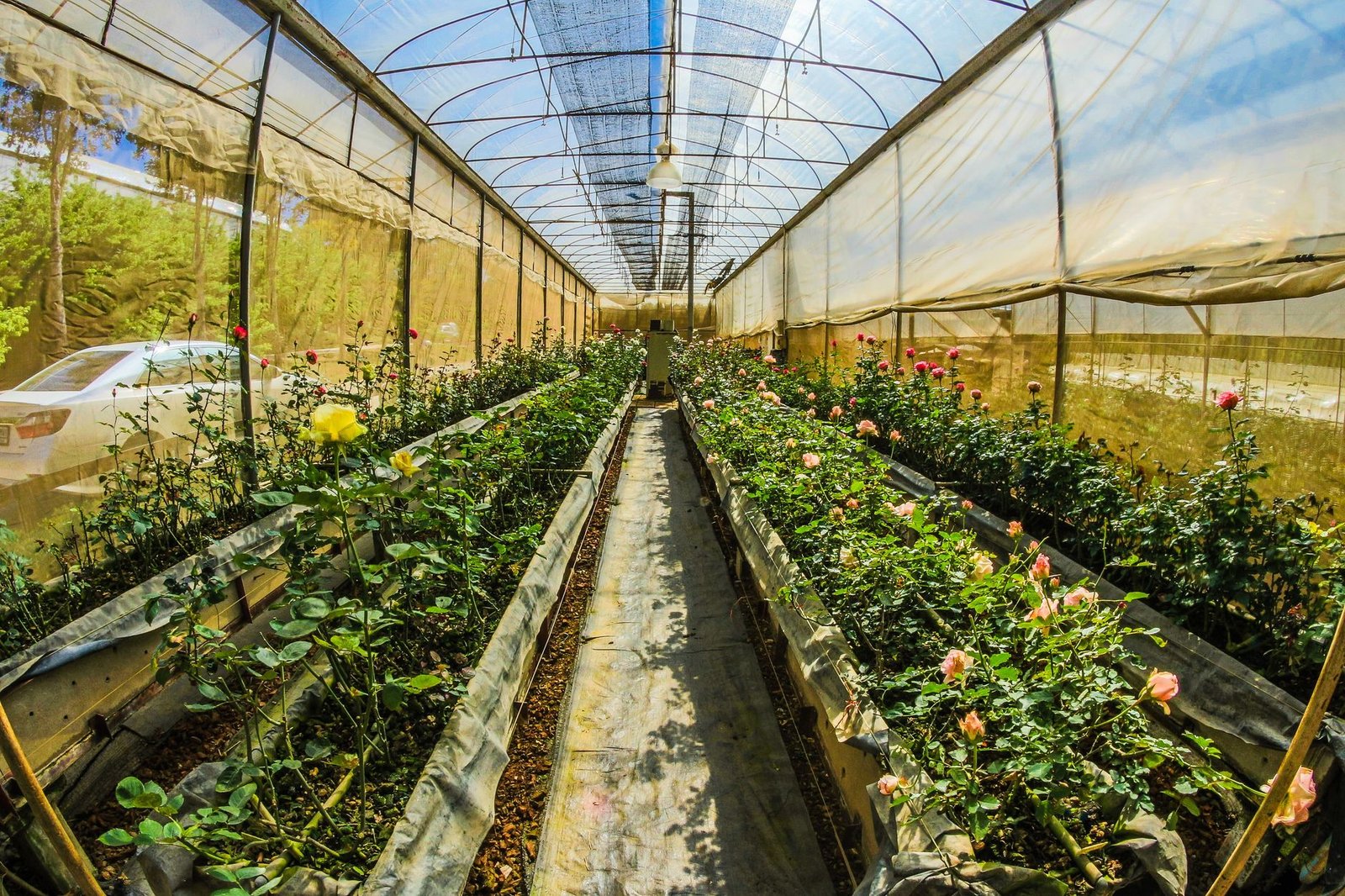
Aphids on Prize Roses? 5 Organic Methods for a Healthy 2026 Garden
For any dedicated gardener, discovering an aphid infestation on prized roses can be disheartening. Thankfully, achieving a thriving, pest-free garden in 2026 without relying on harsh chemicals is entirely attainable. This article details effective, organic solutions for identifying and eliminating aphid populations, ensuring a vibrant, chemical-free landscape for all plants.
Harnessing nature’s balance and employing sustainable practices are central to modern garden management. By adopting the organic methods outlined, the homeowner can cultivate a resilient ecosystem that discourages pests while promoting robust plant health.
Understanding Aphid Infestations
Early identification of aphids is crucial for effective control. These small, soft-bodied insects typically cluster on the undersides of leaves, on new shoots, and around flower buds. Their colors vary widely, including green, black, red, yellow, and brown, often making them camouflaged against plant material.
Signs of Aphid Damage
- Stunted or distorted growth: New leaves may appear curled, crinkled, or yellowed.
- Sticky residue (honeydew): Aphids excrete a sugary substance that coats leaves and stems, attracting ants and encouraging the growth of sooty mold.
- Sooty mold: A black, fuzzy fungus that grows on honeydew, further inhibiting photosynthesis and diminishing the plant’s aesthetic appeal.
- Presence of ants: Ants often ‘farm’ aphids for their honeydew, protecting them from natural predators.
Regular inspection of plants, particularly new growth and leaf undersides, allows for prompt intervention before an infestation becomes widespread.
Proactive Measures: Preventing Infestations in 2026
Prevention is always the first line of defense in organic pest management. Integrating foresight into garden planning significantly reduces the likelihood of severe aphid issues.
Optimizing Plant Health and Diversity
- Healthy Soil: A balanced soil ecosystem rich in organic matter fosters strong plants more resistant to pest attacks. Incorporating nutrient-rich compost and practicing no-till methods, a growing trend in 2026 for soil microbiome health, enhances plant vigor.
- Appropriate Watering: Ensure plants receive adequate moisture without overwatering, which can stress root systems. Smart irrigation systems, increasingly common in 2026, can optimize water delivery based on soil moisture and plant needs, reducing stress.
- Companion Planting: Strategically planting species known to deter aphids or attract their predators can create a natural buffer. Marigolds and nasturtiums, for instance, are known aphid repellents, while dill and cilantro can attract beneficial insects.
- Resistant Varieties: When selecting roses or other plants, choosing varieties known for their natural resistance to common pests, including aphids, is a foundational step. Nurseries in 2026 often label these characteristics.
Modern Monitoring and Early Detection
Technological advancements in 2026 offer new avenues for early detection. The use of compact, AI-powered garden sensors capable of identifying subtle plant stress signals or even specific pest signatures through leaf analysis is becoming more accessible. Regular manual inspection remains vital, but these tools offer supplementary layers of vigilance, enabling the user to address problems at their nascent stages.
5 Organic Pest Control Methods for a Healthy 2026 Garden
Should aphids appear, several organic, non-toxic methods can effectively manage and eliminate them, preserving the garden’s ecological balance.
1. Manual Removal and Water Blasting
For smaller infestations or when aphids are first spotted, physical removal is highly effective. A strong stream of water from a hose can dislodge aphids from leaves and stems. This method is best performed in the morning, allowing plants to dry before nightfall to prevent fungal issues. Specialized low-pressure spray nozzles designed for delicate plants are a popular gardening accessory in 2026, ensuring effective removal without plant damage. For isolated clusters, a gloved hand can gently wipe them away.
2. Insecticidal Soaps and Neem Oil
- Insecticidal Soaps: These soaps work by dissolving the aphid’s protective outer layer, leading to dehydration. They are non-toxic to humans and pets and break down quickly in the environment. It is crucial to use true insecticidal soap, not dish soap, which can strip beneficial oils from plants. Apply thoroughly, ensuring direct contact with the pests, especially on the undersides of leaves. Repeat every 5-7 days until the infestation is controlled.
- Neem Oil: Derived from the neem tree, this natural oil acts as an antifeedant, growth disruptor, and repellent. It is systemic, meaning plants can absorb it, making them less appealing to pests. Neem oil is most effective when applied consistently and can also deter other common garden pests. Its efficacy as a broad-spectrum organic pesticide makes it a staple for the 2026 eco-conscious gardener. Ensure proper dilution as per product instructions.
Both methods are best applied in the early morning or late evening to avoid burning foliage and to protect beneficial insects that are less active during these times.
3. Introducing Beneficial Insects
Harnessing nature’s predators is a cornerstone of organic pest control. Releasing beneficial insects, which naturally prey on aphids, is an excellent long-term strategy. Ladybugs (ladybeetles) and green lacewings are particularly voracious aphid eaters.
- Ladybugs: Both adult ladybugs and their larvae consume large numbers of aphids. Adult ladybugs can be purchased and released into the garden. For best results, release them in the evening, ensuring plants have a light misting of water to provide hydration and encourage them to stay.
- Green Lacewings: The larvae of green lacewings are often referred to as ‘aphid lions’ due to their insatiable appetite for aphids. Their eggs can be purchased and introduced to the garden.
In 2026, sourcing beneficial insects has become more streamlined, with regional insect banks offering carefully curated predator populations adapted to local climates, enhancing their effectiveness in integrated pest management strategies.
4. DIY Organic Sprays
Several homemade concoctions can serve as effective aphid deterrents and killers.
- Garlic Spray: The strong scent of garlic repels aphids. Crush several cloves of garlic, steep them in water overnight, strain, and dilute with more water. Add a few drops of insecticidal soap as an emulsifier.
- Chili Pepper Spray: Capsaicin, the active ingredient in chili peppers, is a potent irritant to aphids. Blend hot peppers with water, strain, and add a small amount of insecticidal soap. Always handle with gloves and avoid contact with eyes.
- Tomato Leaf Spray: Tomato leaves contain alkaloids that can be toxic to aphids. Chop tomato leaves, steep them in water for a day, strain, and use as a spray.
Always test any DIY spray on a small section of the plant first to ensure it does not cause damage. Reapply after rain or every few days as needed.
5. Companion Planting and Trap Cropping
Beyond simply deterring pests, certain plants can actively divert them.
- Companion Planting (Revisited): Planting species like catnip, chives, and garlic near roses can confuse aphids with their strong scents or provide beneficial compounds to the soil.
- Trap Cropping: This method involves planting a highly attractive ‘sacrifice’ plant nearby to lure aphids away from desired plants. Nasturtiums are excellent trap crops for aphids, as aphids prefer them over many ornamental plants. Once the trap crop is infested, the homeowner can then treat or remove the trap crop, taking the aphids with it. This strategy is gaining renewed interest in 2026 as part of holistic garden design.
Cultivating Long-Term Garden Health
Achieving a healthy, aphid-free garden in 2026 is an ongoing process of observation, intervention, and fostering a balanced ecosystem. By integrating these organic pest control methods and proactive strategies, the homeowner can significantly reduce reliance on synthetic chemicals, promoting biodiversity and the overall vitality of their outdoor space. The focus remains on creating a resilient environment where plants can thrive naturally, supported by modern insights into ecological gardening and sustainable practices.