
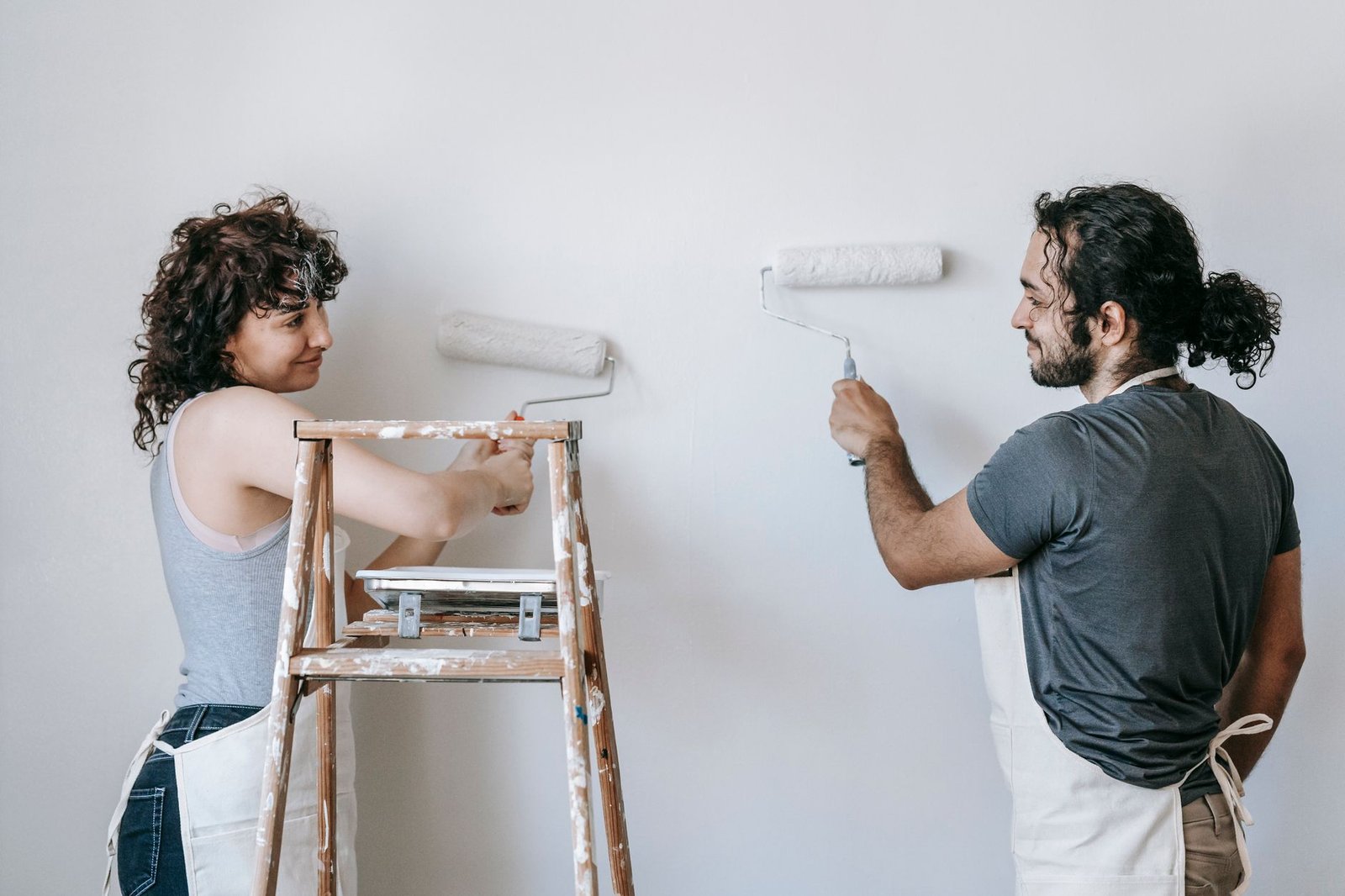
Selecting the optimal interior paint for homes shared with pets requires a strategic approach, prioritizing durability, cleanability, and safety. In 2026, the consensus for superior scratch and stain resistance lies with advanced acrylic latex paints, particularly those fortified with ceramic micro-bead technology, or innovative water-based alkyd hybrids, applied in a satin or eggshell finish. These modern formulations combine robust protective qualities with low-VOC attributes, ensuring a comfortable and resilient environment for both residents and their animal companions.
The Imperatives of Pet-Friendly Paint Selection
For residences with pets, paint is more than a decorative element; it functions as a protective shield against daily wear and tear. The unique challenges posed by domestic animals necessitate a specific set of paint characteristics to maintain aesthetic integrity and hygiene.
Durability Against Scratches and Scuffs
The activity of pets, including playful nudges, tail wagging, and the occasional claw swipe, demands a paint capable of withstanding physical impact. Traditional paints can quickly show unsightly marks. Modern advancements in 2026 have led to formulations incorporating hard ceramic microspheres and enhanced cross-linking polymers within the paint film. These innovations significantly bolster the paint’s resistance to scratching and scuffing, preventing premature deterioration of wall surfaces. The paint film itself becomes harder and more flexible, absorbing minor impacts without cracking or flaking.
Stain Resistance and Ease of Cleaning
Pet accidents, muddy paws, and drool are inevitable. A pet-friendly paint must offer exceptional stain resistance, preventing liquids and grime from penetrating the surface, and allow for effortless cleaning without compromising the paint’s finish. Contemporary paints feature hydrophobic and oleophobic additives, repelling both water-based and oil-based stains. This allows spills to bead up on the surface, making them simple to wipe away with a damp cloth and mild cleanser, preserving the paint’s original appearance.
Prioritizing Pet Safety: VOCs and Odor
Beyond physical resilience, the health and well-being of pets and homeowners are paramount. Volatile Organic Compounds (VOCs) released during and after painting can negatively impact indoor air quality. In 2026, the industry standard for pet-friendly paints is zero-VOC or ultra-low-VOC formulations. These paints minimize chemical off-gassing, creating a healthier indoor environment. Additionally, low-odor properties are crucial, as pets possess a heightened sense of smell, making strong paint fumes particularly distressing.
Advanced Paint Technologies for Pet Homes in 2026
The paint industry continues to evolve, offering increasingly sophisticated options tailored to the demands of pet-centric households.
Enhanced Acrylic Latex Formulations
Acrylic latex paints remain a cornerstone for interior applications, known for their versatility and ease of use. For 2026, leading brands have significantly improved their acrylic latex offerings, making them the primary recommendation for pet homes. These advanced formulations feature superior flexibility, excellent adhesion, and, critically, are often infused with ceramic or glass micro-bead technology. This additive creates a much harder, more mar-resistant surface without sacrificing the paint’s inherent flexibility, which prevents cracking from minor structural shifts. They dry quickly and are easy to clean up with water.
Water-Based Alkyd Hybrids
Emerging as a strong contender, water-based alkyd hybrids combine the best attributes of traditional oil-based alkyds (exceptional hardness, smooth finish, and durability) with the convenience and lower VOC profile of water-based paints. These hybrids are particularly effective in high-traffic zones, offering superior block resistance (preventing painted surfaces from sticking together) and robust scratch resistance. Modern 2026 formulations boast faster cure times and enhanced flexibility compared to their predecessors, making them an excellent, durable, low-VOC choice for areas prone to heavy wear.
Specialty Performance Coatings
Several manufacturers now offer dedicated “pet-proof” or “performance” lines that integrate multiple protective features. These often include:
- Integrated antimicrobial agents: To inhibit the growth of mold, mildew, and odor-causing bacteria.
- Advanced stain blockers: Providing an extra layer of defense against stubborn pet stains.
- Exceptional washability: Formulated to withstand repeated scrubbing without damaging the paint film.
While often carrying a premium price, these specialty coatings represent the zenith of pet-friendly paint technology, delivering comprehensive protection for the most demanding environments.
Navigating Finishes for Ultimate Pet Resilience
The choice of paint finish significantly impacts a wall’s durability and ease of maintenance in a pet-friendly home.
Eggshell and Satin: The Consensus Choice
For most pet owners, eggshell and satin finishes represent the optimal balance. These finishes offer a subtle sheen that reflects light gently, effectively concealing minor wall imperfections. Crucially, their smooth, moderately reflective surfaces are highly washable and significantly more durable than flat or matte paints. They resist scuffs and stains effectively, making routine cleaning simple without causing undue wear to the paint film.
Semi-Gloss and Gloss: For High-Impact Zones
Semi-gloss and full gloss finishes provide the highest level of durability and washability. Their hard, reflective surfaces are exceptionally easy to clean and resist moisture, making them ideal for areas like baseboards, trim, doors, and bathrooms – surfaces where pet interaction is frequent or moisture exposure is high. However, their high reflectivity can highlight wall imperfections, making meticulous surface preparation essential.
Matte and Flat: Use with Caution
Matte and flat finishes, while offering a sophisticated, non-reflective aesthetic that hides wall imperfections, are generally not recommended for pet areas. Their porous surface makes them prone to absorbing stains and difficult to clean without burnishing or damaging the finish. While some premium flat paints in 2026 offer enhanced scrubbability, they typically still fall short of the resilience offered by eggshell or satin finishes for environments with active pets.
Strategic Application and Ongoing Care
Even the most advanced pet-friendly paint will only perform optimally if properly applied and maintained.
Meticulous Surface Preparation
Achieving a durable, long-lasting finish begins with thorough surface preparation. Walls must be clean, dry, and free of dust, grease, and peeling paint. Filling holes and repairing cracks creates a smooth substrate. Utilizing a high-quality primer, especially one designed to seal porous surfaces or block stains, is highly recommended to ensure optimal adhesion and a uniform finish, enhancing the overall performance of the topcoat.
Adhering to Curing Guidelines
Paint often feels dry to the touch within hours, but it requires a significantly longer period to fully cure and achieve its maximum hardness and durability. For advanced pet-friendly paints in 2026, this curing period can range from a few days to several weeks, depending on humidity and ventilation. Homeowners must adhere strictly to manufacturer’s recommendations regarding full cure times, avoiding aggressive cleaning or heavy impact on freshly painted surfaces until the paint film has completely hardened.
Proactive Cleaning and Maintenance
Regular, gentle cleaning extends the life of pet-friendly paint. Spot cleaning spills and marks immediately with a soft cloth dampened with water and a mild, non-abrasive detergent is crucial. Harsh chemicals or abrasive scrubbing tools should be avoided, as these can dull the finish or damage the paint film over time. For more extensive cleaning, working in small sections and rinsing thoroughly prevents streaking and residue buildup.
In conclusion, the best pet-friendly interior paint for scratch and stain resistance in 2026 combines advanced acrylic latex or water-based alkyd hybrid technology with a durable eggshell or satin finish. Prioritizing zero-VOC formulations and adhering to diligent application and maintenance practices will ensure a beautiful, resilient, and safe home environment for all occupants, two-legged and four-legged alike.