
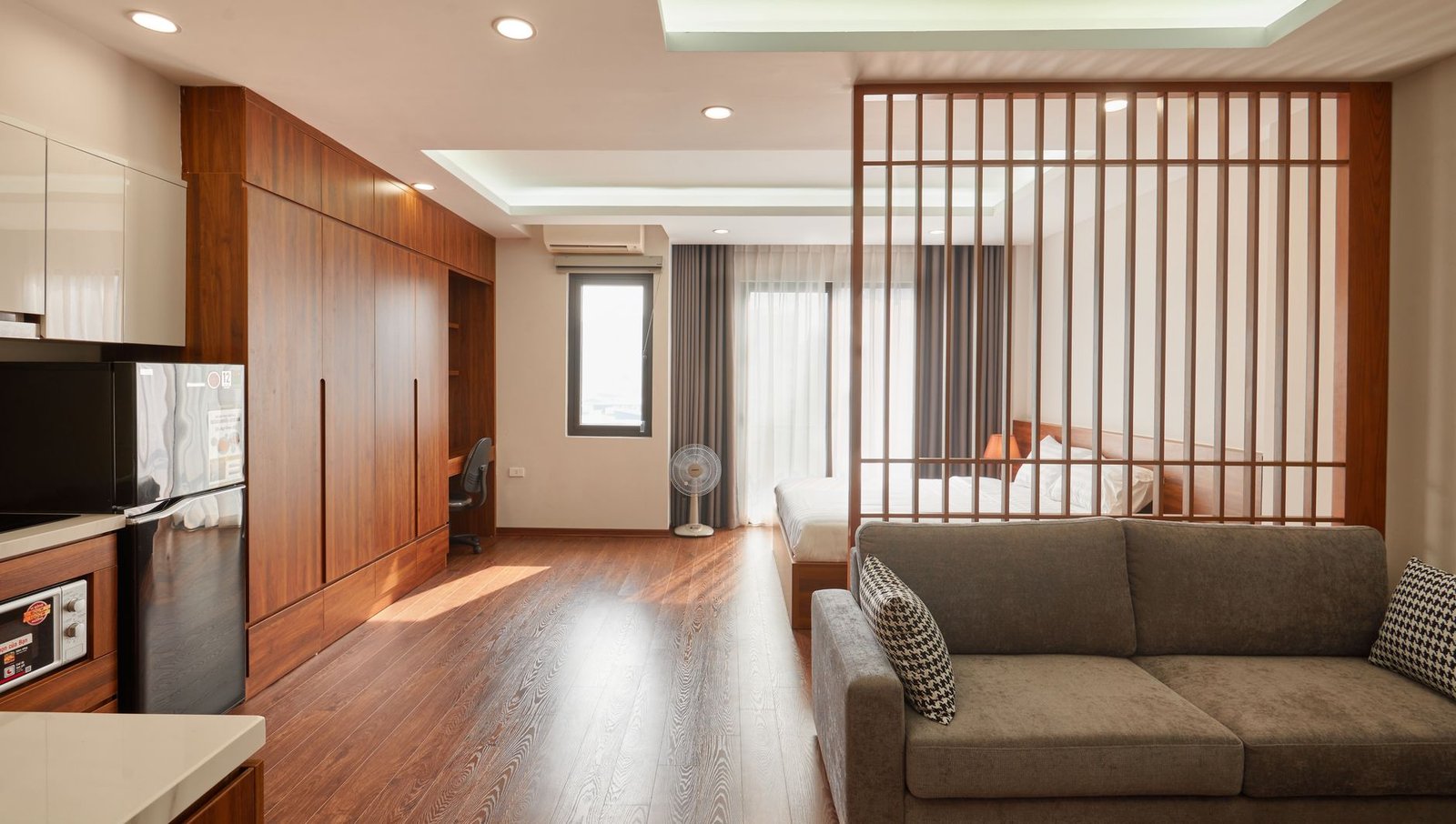
Studio apartments often present a unique spatial puzzle, yet creating distinct functional zones is entirely achievable without permanent walls. This article explores five clever strategies for homeowners to delineate living, sleeping, and working areas, maximizing comfort and utility within a compact footprint. These methods integrate contemporary design principles and material innovations relevant to 2026, empowering the resident to cultivate a truly dynamic and personalized compact habitat.
Leveraging Furniture for Defined Spaces
The strategic placement and selection of furniture represent the cornerstone of studio apartment zoning. When chosen thoughtfully, key pieces transcend their primary function to become natural architectural elements.
The Strategic Placement of Key Pieces
Larger furniture items, such as a sofa or a generously sized bookshelf, can effectively serve as soft barriers, visually separating a living area from a sleeping space. Instead of pushing all furniture against walls, positioning a sofa perpendicular to a wall can instantly create an intimate lounge zone. The back of a console table or a narrow, tall cabinet can define a dining nook or a workspace.
- Multi-functional furniture: In 2026, the market is rich with innovative, multi-functional pieces. Sofas with integrated pull-out beds or hidden storage, coffee tables that convert into dining tables, and ottomans that double as extra seating and storage are prevalent. These pieces not only save space but also offer incredible flexibility for the resident.
- Modular systems: Modular, reconfigurable furniture systems, often crafted from lightweight, recycled composite materials or sustainable bamboo, allow for easy adaptation as the homeowner’s needs evolve. Sections can be rearranged to create different configurations, from a sprawling lounge to a more enclosed sleeping area, offering unparalleled versatility.
Elevated and Sunken Zones
Subtle changes in elevation can dramatically differentiate areas. A raised platform for a bed or a dedicated workspace can create a distinct ‘room within a room’ feeling. This method also often provides invaluable under-platform storage.
- Platforms and risers: Prefabricated, minimalist elevation platforms are trending in 2026. These often feature integrated ambient lighting, USB charging ports, and clever storage solutions. They are frequently made from sustainable, low-VOC timbers or recycled plastics, aligning with contemporary environmental consciousness.
- Rugs as visual anchors: While not a change in elevation, a large area rug can psychologically and visually ‘ground’ a specific zone. A plush rug under a bed instantly defines the sleeping area, while a different texture or pattern can delineate the living space.
The Art of Screens and Dividers
Screens and dividers offer a non-permanent yet highly effective means of creating privacy and visual separation. Their versatility allows for changes in layout and aesthetic as desired.
Portable and Permanent-Looking Solutions
From light-filtering curtains to robust panels, the options for dividing space are diverse. The choice often depends on the desired level of privacy, light transmission, and aesthetic impact.
- Folding screens: These traditional dividers remain popular, with modern iterations featuring sleek designs in natural wood, woven fibers, or even translucent polymer panels.
- Sliding panels: Wall-mounted or ceiling-suspended sliding panels can offer a more ‘permanent’ look without the commitment of a wall. Materials range from frosted glass to acoustic textile panels.
- Suspended curtains: Heavy drapes or sheer fabrics, suspended from ceiling tracks, provide a soft, adaptable barrier. They can be drawn open to expand the space or closed for immediate privacy.
- 2026 Innovations:
- Smart Glass/Polymer Panels: Electronically switchable opacity offers privacy on demand, transitioning from transparent to opaque with the flick of a switch.
- Acoustic Textile Panels: Crafted from recycled PET or natural fibers, these not only divide space but also absorb sound, a crucial feature in open-plan living.
- Biophilic Dividers: Movable vertical gardens or frames holding potted plants enhance air quality and bring nature indoors, aligning with wellness trends.
- Translucent Resin Screens: Lightweight and visually appealing, these allow light to pass through while obscuring direct views, maintaining an airy feel.
Open Shelving and Bookcases
Unlike solid walls, open-back shelving units or bookcases serve as permeable dividers. They maintain an open feel by allowing light and air to flow through while still defining distinct zones.
- Curated displays: The shelves can be styled with books, plants, and decorative objects, adding personality and visual interest.
- Lightweight structures: In 2026, ultra-thin, customizable shelving systems made from durable, lightweight alloys or engineered wood composites are prevalent. Many feature integrated linear LED lighting to highlight displayed items and subtly delineate the space.
Smart Layouts and Visual Cues
Beyond physical dividers, intelligent spatial planning and the use of visual cues play a significant role in defining zones within a studio apartment.
Defining Zones with Rugs and Flooring Transitions
The flooring itself can be a powerful tool for zoning, both through distinct materials and the strategic use of area rugs.
- Area rugs: As mentioned, a well-placed area rug can clearly mark a living room or sleeping area, providing warmth, texture, and a sense of enclosure.
- Subtle flooring changes: While often requiring more significant renovation, a subtle transition in flooring material—perhaps from engineered wood in the living area to a cork composite in the sleeping nook—can create a psychological boundary.
- 2026 Trends: Sustainable, natural fiber rugs (e.g., sisal, jute, Tencel) with intricate geometric patterns are popular. There’s also growing interest in smart flooring tiles that can adjust temperature or feature integrated ambient lighting, adding another layer of functional zoning.
Illumination as a Spatial Tool
Lighting is not merely for illumination; it is a critical element in mood setting and spatial definition. Different types of lighting can highlight specific zones and activities.
- Task lighting: A focused desk lamp defines a workspace.
- Ambient lighting: A floor lamp or pendant light can softly illuminate a reading nook.
- Accent lighting: Wall sconces or strip lighting can highlight architectural features or artwork within a specific zone.
- 2026 Innovations: Smart lighting systems with tunable white light and color temperature control allow residents to shift ambiance for different activities. Integrated linear LED strips, often embedded directly into furniture or architectural details, provide discreet and highly customizable zonal illumination. Automated sensors can even adjust lighting based on natural light levels or resident presence.
Material Innovation and Aesthetic Cohesion in 2026
The selection of materials and maintenance of a harmonious aesthetic are vital for creating a cohesive yet well-zoned studio apartment.
Embracing Smart and Sustainable Materials
The year 2026 emphasizes materials that are not only aesthetically pleasing but also sustainable, smart, and contribute to overall wellness. This includes bioplastics, recycled metals, self-cleaning surfaces for easy maintenance, and sound-dampening textiles to enhance acoustic comfort in open spaces. The focus is on materials with low volatile organic compound (VOC) emissions, contributing to superior indoor air quality and fostering a healthier living environment.
Maintaining a Harmonious Palette
Despite the creation of distinct zones, a studio apartment benefits immensely from a cohesive color scheme and material palette. A unified background prevents visual clutter, making the space feel larger and more integrated. Accent colors can be introduced judiciously within each zone to provide subtle differentiation without overwhelming the eye. Natural textures, muted tones, and soft contrasts are favored in contemporary design, promoting a calm and inviting atmosphere.
Personalizing the Compact Habitat
Beyond structure and aesthetics, personalizing the space ensures that it truly reflects the resident’s lifestyle and needs.
Vertical Integration and Wall Space
In compact living, every inch counts, especially vertical space. Wall-mounted shelving, art, and even folding desks can maximize utility without encroaching on floor area.
- Modular wall systems: Trending in 2026 are modular wall systems that can be easily reconfigured, featuring integrated power and data ports, and magnetic panels for flexible decor arrangements.
- Concealed storage: Vertical storage solutions that blend seamlessly into the decor, such as hidden wall cabinets or bespoke built-ins, are crucial for maintaining an uncluttered aesthetic.
Mindful Decluttering and Organization
The success of zoning in a studio apartment hinges on an ongoing commitment to a minimalist approach and effective organization. Each item should have a designated place, and regular decluttering ensures that the defined zones remain functional and aesthetically pleasing.
- Integrated smart storage: Some 2026 designs incorporate smart storage units with automated inventory systems or integrated charging stations, making organization intuitive and effortless.
- Concealed storage: Prioritizing storage that is visually integrated and out of sight maintains the clean lines and spacious feel essential for compact living.
Transforming a studio apartment into a multi-functional, comfortable home is an art form. By implementing these five clever strategies, integrating the innovative materials and technologies of 2026, and maintaining a focus on mindful design, the resident can elevate a compact space into a spacious, organized, and deeply personalized sanctuary. The goal is to enhance daily living through thoughtful design, ensuring every square foot contributes to the resident’s comfort and well-being.