
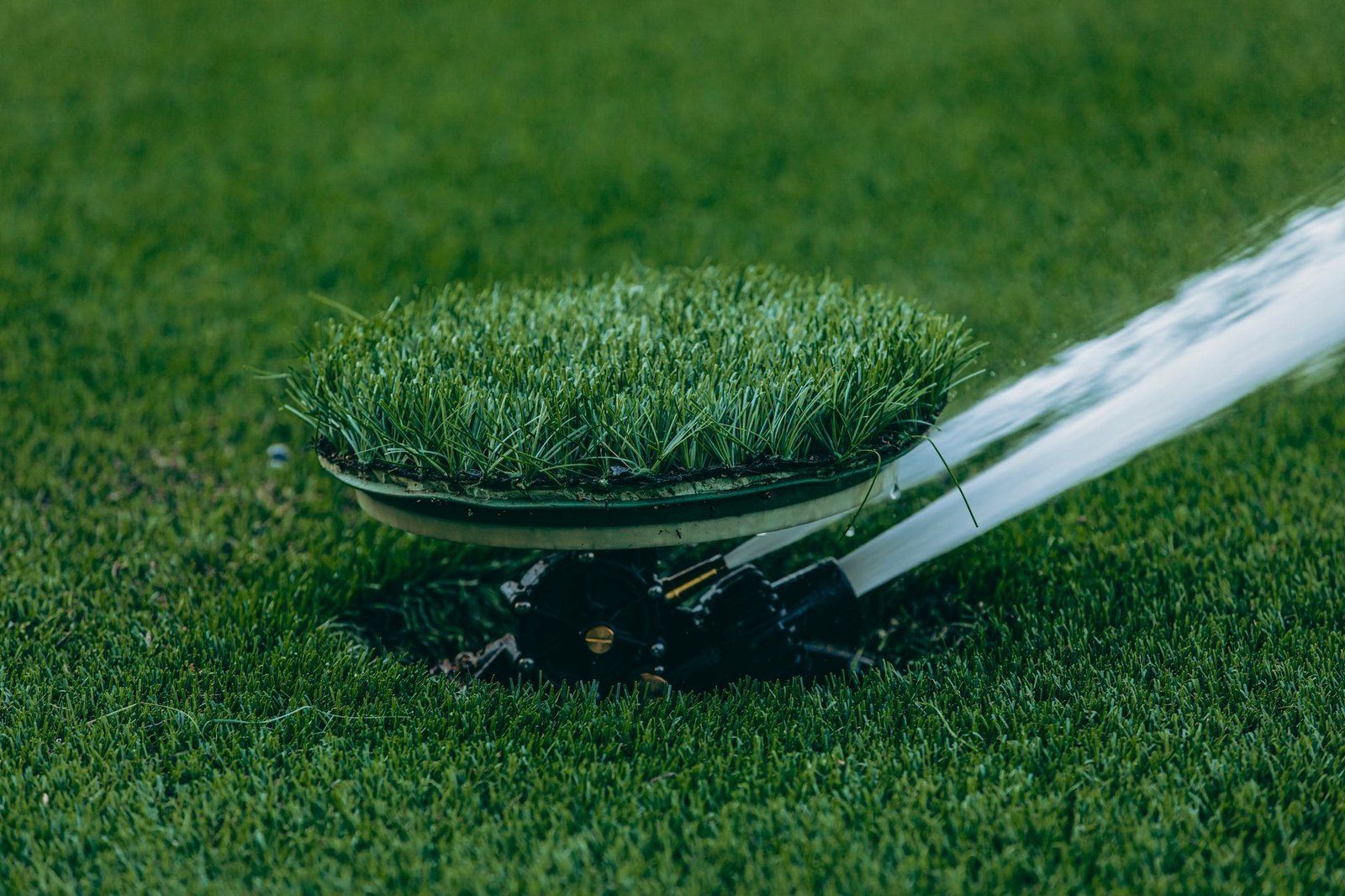
In 2026, the question of whether smart sprinkler systems represent a worthwhile investment for efficient lawn and garden watering receives a resounding affirmative for most homeowners. With escalating environmental concerns, rising utility costs, and significant advancements in smart home technology, these systems have evolved far beyond mere convenience, establishing themselves as essential tools for sustainable and optimized landscape management.
Smart sprinkler technology in 2026 offers unparalleled precision, resource conservation, and automation capabilities that were merely aspirational a decade ago. For residents seeking to reduce water consumption, maintain vibrant outdoor spaces, and integrate their irrigation into a broader smart home ecosystem, the financial and ecological returns on investment are demonstrably compelling.
The Evolution of Smart Watering in 2026
The landscape of irrigation technology has undergone a transformative shift by 2026. Early smart systems, primarily reliant on basic weather forecasts, have given way to sophisticated, AI-driven platforms. These modern systems leverage hyper-local weather station data, real-time evapotranspiration rates, and advanced predictive analytics to deliver water precisely when and where it is needed.
Key Technological Advancements
- AI-Powered Predictive Watering: Systems now integrate complex algorithms that learn from historical weather patterns, current conditions, and even future forecasts to schedule watering. This reduces overwatering during unexpected rain or intense heat waves.
- Advanced Sensor Integration: Beyond simple rain sensors, 2026 models incorporate multi-depth soil moisture sensors that provide real-time data on hydration levels at various root depths. Some systems even feature plant health sensors that assess nutrient uptake and stress levels.
- Micro-Climate Mapping: Utilizing drone imagery and satellite data, high-end systems can create detailed micro-climate maps of a property, allowing for extremely precise zone-by-zone watering tailored to specific sun exposure, soil types, and plant species.
- Sustainable Material Development: The industry is seeing a rise in durable, UV-resistant composites for sprinkler heads and valves, often incorporating recycled plastics. Energy-efficient solenoids and low-power wireless sensors contribute to the overall sustainability of the systems.
Core Benefits for the Modern Homeowner
The advantages of adopting a smart sprinkler system in 2026 extend across environmental, economic, and practical dimensions, making them highly attractive to the conscientious resident.
Significant Water Conservation
Perhaps the most compelling benefit is the dramatic reduction in water usage. Traditional irrigation systems often waste up to 50% of water due to inefficient scheduling and evaporation. Smart systems, through their precision watering, can cut consumption by 30-50%. This translates directly into substantial savings on water bills, a critical consideration as water utility costs continue to climb in many regions.
Unmatched Convenience and Automation
Once configured, the resident can largely forget about irrigation scheduling. The system intelligently adjusts to changing conditions, removing the guesswork and manual intervention previously required. Remote management via smartphone applications provides the ability to monitor and control irrigation from anywhere, offering peace of mind whether at home or away.
Enhanced Landscape Health
Optimal watering leads to healthier plants and a more vibrant lawn. By preventing both overwatering (which can lead to root rot and fungal diseases) and underwatering (causing stress and wilting), smart systems promote robust root development and overall plant resilience. This also reduces the need for costly plant replacements and intensive landscaping maintenance.
Seamless Smart Home Integration
Modern smart sprinkler systems are designed to be integral components of the wider smart home ecosystem. Compatibility with platforms like Matter, Thread, and existing voice assistants (e.g., Amazon Alexa, Google Assistant) allows for unified control and automation. For instance, the system might pause irrigation if an outdoor security sensor detects activity, or coordinate with a home energy management system to optimize power consumption.
Understanding the Investment: Costs and Features
The initial outlay for a smart sprinkler system in 2026 varies based on the size of the property, the number of zones, and the desired level of technological sophistication. However, it is crucial to view this as an investment with tangible returns.
Initial Costs and Installation
Entry-level smart controllers, suitable for smaller properties with a few zones, can start from a few hundred dollars. More advanced systems, featuring multiple controllers, extensive sensor networks, and professional installation for larger, complex landscapes, may range from $1,000 to several thousand dollars. Many systems offer modular expansion, allowing the user to start small and upgrade components over time. Installation can be a DIY project for those comfortable with basic wiring and plumbing, or it can be handled by professional landscape and irrigation specialists.
Long-Term Operational Savings
The investment pays for itself over time through reduced water bills. Depending on local water rates and climate, many homeowners report a full return on investment within 2-5 years. Furthermore, some municipalities offer rebates or incentives for installing water-efficient technologies, which can further offset the upfront cost.
Features to Prioritize
- Hyper-Local Weather Data: Look for systems that integrate with personal or very localized weather stations for unparalleled accuracy.
- Zone Customization: The ability to set specific watering schedules and amounts for different zones based on plant type, sun exposure, and soil composition.
- Flow Rate Monitoring: Advanced systems can detect leaks or blockages in the irrigation lines, preventing water waste and potential damage.
- Predictive Maintenance: AI can analyze system performance and alert the user to potential issues before they become critical.
- Robust Connectivity: Ensure compatibility with current and future smart home protocols (e.g., Wi-Fi 6, Thread) for reliable operation.
Addressing Potential Drawbacks and Considerations
While the benefits are substantial, residents should consider a few factors before committing to a smart sprinkler system.
Connectivity Reliance
Smart systems depend on a stable internet connection. A loss of connectivity can temporarily disrupt automated scheduling, although most systems have onboard programming that can maintain a basic schedule during outages.
Learning Curve
While intuitive for tech-savvy users, some residents may find the initial setup and configuration of advanced features to have a slight learning curve. However, manufacturers are continually improving user interfaces to enhance accessibility.
Maintenance
Like any irrigation system, smart sprinklers require periodic maintenance, including winterization in cold climates and checking for clogged nozzles or sensor calibration. The ‘smart’ aspect does not eliminate the need for physical upkeep.
Data Privacy
Residents should review the data privacy policies of manufacturers, especially for systems that collect detailed information on water usage and property specifics. Choosing reputable brands with transparent data handling practices is advisable.
Conclusion
For the resident in 2026, the question of investment worthiness for smart sprinkler systems is largely settled. The confluence of environmental responsibility, financial prudence, and technological sophistication makes these systems an exceptionally valuable addition to the modern home. They offer a powerful solution for efficient water management, contributing to a healthier landscape and a more sustainable lifestyle while simultaneously providing substantial cost savings and unparalleled convenience. The evolution of AI, sensor technology, and seamless smart home integration has cemented their status not as a luxury, but as a practical and forward-thinking component of contemporary home ownership.