
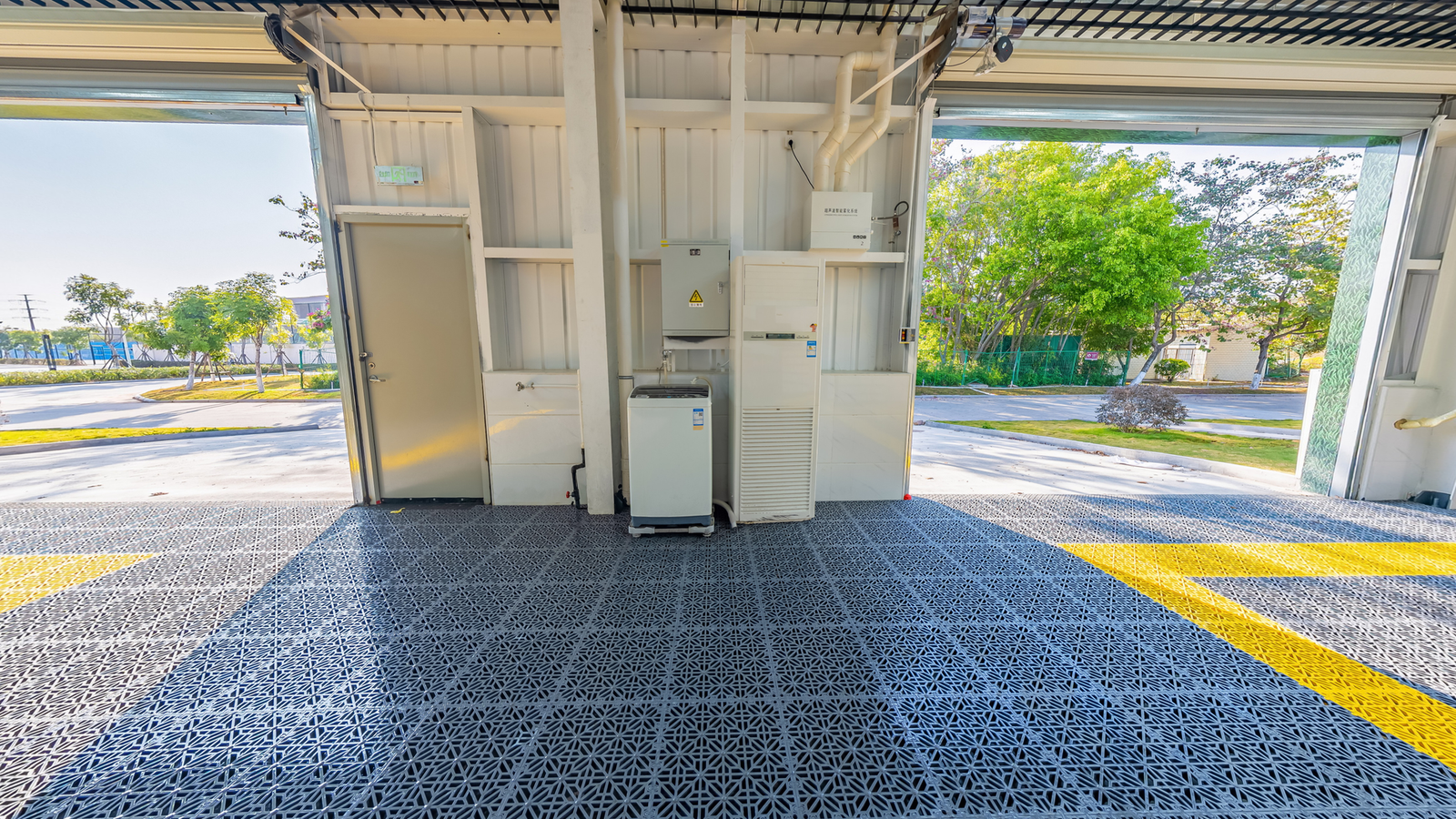
When considering garage floor coatings in 2026, homeowners frequently seek the ultimate balance of longevity, aesthetic appeal, and functional resilience. The critical question often arises: Epoxy vs. Polyaspartic Garage Flooring, which is more durable? While both offer significant upgrades over bare concrete, polyaspartic coatings generally exhibit superior durability across a wider range of challenges, especially with the advanced formulations available in the current year. This analysis delves into the nuances of each material, guiding the resident toward an informed decision for their 2026 garage.
Understanding Garage Floor Coatings in 2026
The modern garage transcends its traditional role, often serving as a multi-functional space for vehicles, workshops, storage, and even leisure activities. Consequently, the flooring must withstand heavy loads, chemical spills, temperature fluctuations, and constant abrasion. In 2026, material science has delivered more robust and environmentally conscious options than ever before, with a significant emphasis on sustainability and ease of application.
Advanced polymer technologies have led to coatings that offer not just protection but also enhanced safety and visual appeal. Current trends highlight a demand for rapid installation processes, extended lifespans, and low VOC (Volatile Organic Compound) content, influencing the evolution of both epoxy and polyaspartic systems.
Epoxy Garage Flooring: Enduring Value
Epoxy coatings have long been a popular choice for garage floors, known for their robust, high-gloss finish and impressive resistance to stains and abrasions. Derived from thermosetting polymer materials, epoxy creates a hard, durable surface when its resin and hardener components react and cure.
Durability and Performance in 2026
In 2026, epoxy formulations continue to offer excellent chemical resistance, standing up well against oil, grease, brake fluid, and other common garage chemicals. They provide good impact resistance, preventing chips and cracks from dropped tools. While traditional epoxy could sometimes suffer from UV degradation (leading to yellowing or chalking), modern advancements in epoxy technology have introduced enhanced UV-stable topcoats and higher-solids systems, significantly mitigating these issues and improving overall longevity. However, even with these improvements, epoxy’s inherent rigidity can make it susceptible to cracking under extreme shifts in temperature or significant concrete movement.
Cost and Installation
Epoxy typically represents a more budget-friendly initial investment compared to polyaspartic coatings. The material cost is generally lower, and installation can sometimes be undertaken as a DIY project, though professional application is recommended for optimal results. The installation process for epoxy is sensitive to ambient temperature and humidity, requiring a specific range for proper curing. It also demands a longer cure time, often several days, before the floor can withstand vehicle traffic or heavy loads.
Maintenance
Once cured, an epoxy floor is remarkably easy to maintain. Regular sweeping and occasional mopping with a mild detergent are usually sufficient to keep it looking clean and vibrant. Its non-porous surface prevents liquids from penetrating, simplifying spill cleanup.
Polyaspartic Garage Flooring: The Modern Standard
Polyaspartic coatings, a relatively newer player in the garage flooring arena, are a type of polyurea, a hybrid material known for its rapid curing time and extreme durability. First developed in the late 1990s, polyaspartic has seen continuous refinement, making it a premium choice for high-performance applications in 2026.
Durability and Performance in 2026
Polyaspartic coatings are widely regarded as the most durable option for garage floors in 2026. They offer superior resistance to abrasion, impact, and a broader range of chemicals than epoxy. A key advantage is their exceptional UV stability, meaning they will not yellow or chalk when exposed to sunlight, maintaining their aesthetic appeal for years. Furthermore, polyaspartic is more flexible than epoxy, allowing it to better bridge minor concrete cracks and resist chipping and peeling, particularly in environments with significant temperature fluctuations. 2026 formulations have further improved its flexibility and resistance to hot tire pickup, a common issue with lesser-quality coatings.
Cost and Installation
The initial cost of polyaspartic is generally higher than epoxy, reflecting its advanced material properties and often specialized application techniques. However, its installation offers significant advantages: a much wider temperature application range (even in colder conditions) and incredibly fast cure times. A polyaspartic system can often be installed and returned to service (light traffic) within a single day, a substantial benefit for homeowners desiring minimal disruption. Full cure times are also significantly shorter than epoxy, allowing for quicker return to normal use.
Maintenance
Polyaspartic floors are exceptionally low-maintenance. Their non-porous, high-gloss surface resists staining and is effortless to clean with basic sweeping and occasional mild detergent use. The inherent UV stability ensures the floor retains its vibrant appearance and gloss for an extended period without significant degradation.
A Head-to-Head Comparison: Epoxy vs. Polyaspartic
To provide a clear perspective for homeowners, a direct comparison of key attributes is essential:
- Durability (Abrasion & Impact): Polyaspartic significantly outperforms epoxy, offering superior resistance to scratches, scuffs, and impacts.
- Chemical Resistance: Both offer good resistance to common garage chemicals. Polyaspartic often excels with a broader spectrum of corrosive substances.
- UV Stability: Polyaspartic is inherently UV stable; epoxy, even with 2026 enhancements, may still show minor degradation over time in direct sunlight.
- Flexibility: Polyaspartic is more flexible, making it less prone to cracking from concrete movement or temperature changes. Epoxy is more rigid.
- Application Window: Polyaspartic can be applied in a much wider range of temperatures, including colder conditions, making it suitable for year-round installation in many climates. Epoxy requires more controlled temperatures.
- Cure Time: Polyaspartic cures rapidly, often allowing for vehicle traffic in 24 hours or less. Epoxy typically requires 3-7 days for full cure.
- Cost: Epoxy generally has a lower upfront material and installation cost. Polyaspartic represents a higher initial investment.
- Longevity: While both are long-lasting, polyaspartic typically offers a longer service life with maintained aesthetics due to its superior durability and UV stability.
- Hot Tire Pickup Resistance: Polyaspartic offers excellent resistance; advanced epoxy formulations have improved, but it can still be a concern with lesser-quality systems.
Making the Right Choice for 2026
The optimal choice between epoxy and polyaspartic hinges on several factors specific to the resident’s needs and environment:
- Budget: For homeowners with a tighter budget, a high-quality epoxy system, especially with an improved UV-stable topcoat, offers excellent value and performance.
- Traffic and Use: Garages subjected to heavy use, frequent vehicle traffic, extreme impacts (e.g., workshops with heavy machinery), or significant sun exposure will greatly benefit from the enhanced durability of polyaspartic.
- Climate: In regions with wide temperature fluctuations, polyaspartic’s flexibility and wider application window make it a more resilient choice.
- Installation Time: For residents needing a quick return to service, polyaspartic’s rapid cure time is a significant advantage.
- Aesthetic Longevity: If preserving the original color and gloss without yellowing is a top priority, polyaspartic is the clear winner.
Maintenance and Longevity in 2026
Regardless of the chosen coating, proper maintenance is crucial for maximizing its lifespan. Both epoxy and polyaspartic floors are non-porous and easy to clean. Regular sweeping to remove abrasive debris and occasional mopping with a mild, pH-neutral cleaner are recommended. Prompt cleanup of spills, especially harsh chemicals, will prevent potential damage. Avoid using abrasive cleaning tools or strong acidic/alkaline cleaners, which can dull the finish.
In 2026, material advancements mean that a professionally installed and properly maintained polyaspartic floor can easily last 15-20 years or more, retaining its beauty and protective qualities. High-quality epoxy systems, particularly those with advanced topcoats, can also offer impressive longevity, typically ranging from 10-15 years under similar conditions.
Conclusion
For homeowners prioritizing maximum durability, superior UV stability, rapid installation, and long-term aesthetic retention in 2026, polyaspartic garage flooring stands as the premier choice. Its advanced properties make it exceptionally resilient against abrasion, chemicals, impact, and UV degradation. However, high-quality epoxy systems, especially those incorporating modern UV-stable topcoats and higher solids, still offer compelling value, providing robust protection at a more accessible price point. The ultimate decision should align with the resident’s specific requirements, budget, and desired performance characteristics, ideally after consultation with a qualified flooring professional.