
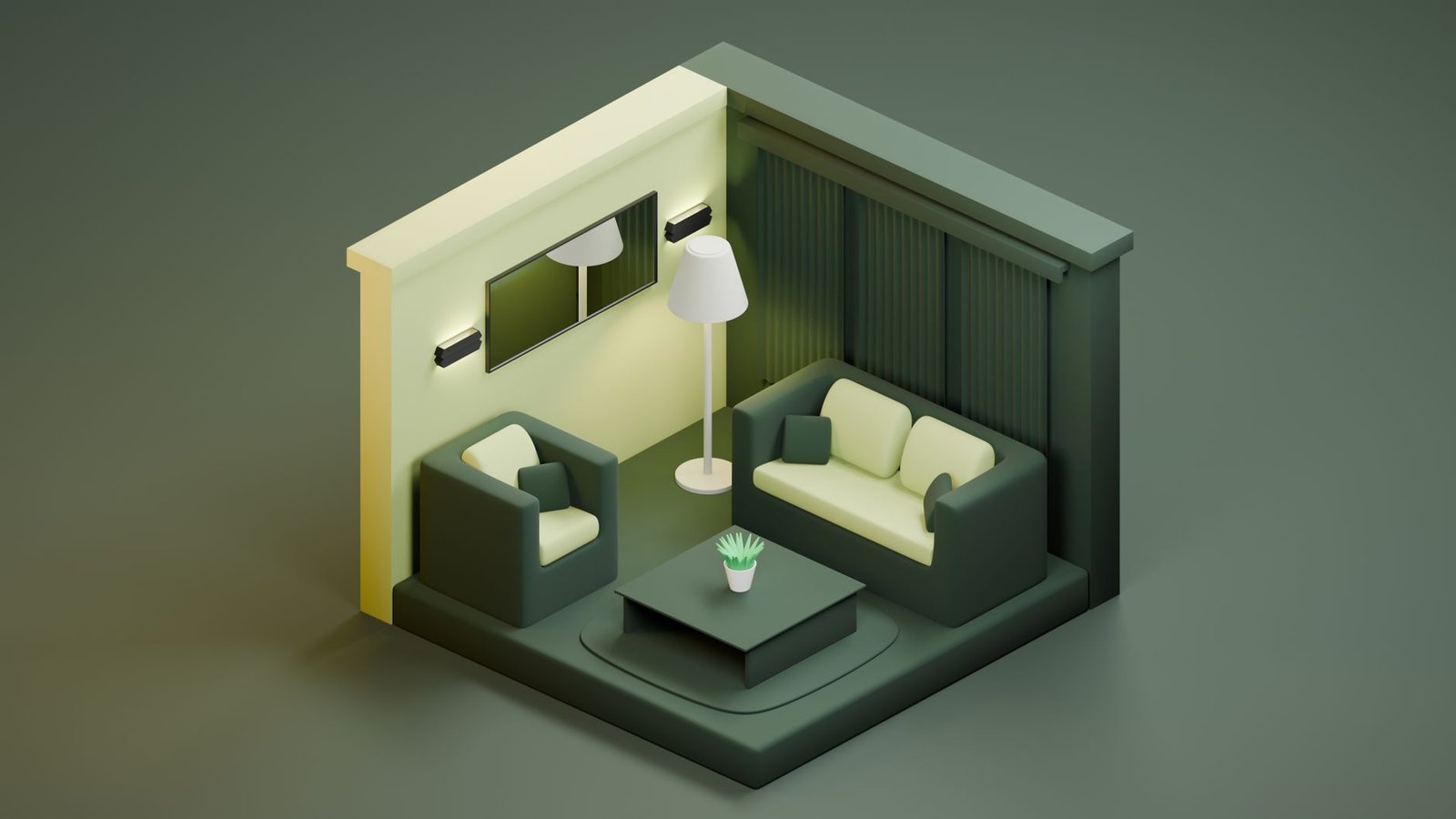
Living room corners often present a unique design challenge, frequently becoming overlooked or underutilized spaces. However, with thoughtful planning and contemporary design insights, these seemingly awkward areas can be transformed into highly functional and aesthetically pleasing focal points. This article explores seven innovative approaches to maximize the potential of living room corners in 2026, guiding the homeowner toward smart design choices and furniture solutions that reflect current trends and material developments.
The Modern Predicament of Living Room Corners
In contemporary home design, every square foot offers an opportunity for utility and visual appeal. Awkward living room corners, often defined by unusual angles, proximity to doorways, or lack of natural light, can disrupt an otherwise harmonious layout. The goal for residents in 2026 is to integrate these spaces seamlessly, moving beyond simple decorative fillers to create areas that genuinely enhance daily living and elevate the overall domestic experience.
Current design philosophies emphasize multi-functionality, wellness, and sustainable integration, making the conversion of these neglected corners a priority for expert interior designers. As homes increasingly serve as primary hubs for work, relaxation, and entertainment, optimizing every nook becomes essential for creating truly adaptable and comfortable environments.
Seven Innovative Ways to Transform Awkward Living Room Corners in 2026
1. The Integrated Smart Nook
For the technologically savvy resident, an awkward corner offers an ideal location for an integrated smart nook. This concept involves a compact, custom-built console or floating shelf unit designed to house charging stations for multiple devices, smart home control panels, and perhaps a discreetly integrated voice assistant. Materials like recycled composite panels with embedded wireless charging capabilities or sleek, brushed aluminum finishes are popular choices in 2026. The area can be further enhanced with AI-controlled ambient lighting that adjusts based on activity or time of day, creating a highly functional and future-ready zone.
2. Vertical Green Sanctuary
Embracing the biophilic design trend that continues to dominate in 2026, a corner can be converted into a vertical green sanctuary. This involves installing a modular living wall system or a series of tiered planters that hold a variety of indoor plants. Hydroponic systems, powered by low-energy LED grow lights, allow for lush greenery even in less sunlit corners. Materials for these systems often include recycled plastics, cork, or sustainably sourced timber. This solution not only adds a vibrant aesthetic but also contributes to improved air quality and a sense of tranquility, fostering a wellness-centric environment for the resident.
3. Curated Art & Display Zone
Transforming a corner into a curated art and display zone allows for personal expression and visual interest. This involves mounting a unique piece of sculptural art, a collection of framed digital art displays that cycle through various masterpieces, or a series of bespoke shelving units. These shelves, crafted from sustainable materials like reclaimed oak, bamboo, or even recycled glass composites, can showcase treasured collectibles, artisan ceramics, or thoughtfully chosen literature. Integrated directional spotlights, often with smart dimming capabilities, highlight the displayed items, turning the corner into a captivating gallery space.
4. Compact Home Office Hub
With the prevalence of remote work continuing into 2026, even the smallest corner can become a highly efficient compact home office hub. This typically features a space-saving wall-mounted desk or a custom-built corner desk designed for ergonomic efficiency. Flexible monitor arms, integrated cable management, and comfortable yet compact seating are key. Innovations in materials include lightweight, high-strength recycled aluminum for desk frames and acoustic panels made from compressed recycled PET felt to minimize sound distractions. The emphasis is on creating a focused workstation without overwhelming the living room aesthetic.
5. Enhanced Reading Retreat
An awkward corner can be reimagined as an inviting enhanced reading retreat. This involves placing a comfortable, compact armchair or a chaise lounge, often upholstered in luxurious yet durable fabrics like bouclé or eco-friendly velvet. A floor lamp with adjustable light temperature and intensity is crucial, often featuring AI-powered auto-dimming for optimal reading conditions. Accompanying features might include a small, cantilevered side table made from polished concrete or bioplastic composites for holding beverages or books, along with a soft, textural throw blanket. This creates a cozy, dedicated space for relaxation and intellectual pursuits.
6. Dynamic Storage Solution
Addressing the common need for more storage, a corner can be converted into a dynamic storage solution. This moves beyond traditional shelving to include custom-built cabinetry, open display units, or modular storage cubes that fit the specific dimensions of the corner. These solutions can conceal clutter, house media equipment, or provide a stylish home for board games and blankets. Modern materials include durable, low-VOC laminates, sustainably harvested hardwoods, or innovative recycled plastic panels that offer both strength and aesthetic versatility. Integrating pull-out drawers or rotating shelves maximizes accessibility and utility.
7. Sculptural Statement Piece
Sometimes, the best use for an awkward corner is to embrace its unconventional nature by installing a sculptural statement piece. This could be a dramatic floor-to-ceiling lighting fixture, an abstract sculpture made from contemporary materials like oxidized steel or translucent resin, or even a large, unusually shaped planter holding a striking specimen plant. The intention is not primarily functional but purely aesthetic, drawing the eye and transforming the corner into a deliberate design element. This approach showcases the resident’s unique style and turns a former design flaw into a compelling visual anchor for the room.
Key Considerations for 2026 Design
When implementing these transformations, several 2026 design principles should guide the homeowner:
- Sustainability: Prioritize furniture and materials that are sustainably sourced, recycled, or have a low environmental impact.
- Flexibility: Opt for modular or multi-functional pieces that can adapt to changing needs and preferences.
- Technology Integration: Seamlessly weave smart home technologies into the design for enhanced convenience and efficiency.
- Personalization: Ensure the chosen solution reflects the resident’s individual style and contributes to their overall well-being.
- Lighting: Thoughtful lighting design, including task lighting and ambient illumination, is crucial for both function and mood.
By considering these factors, the resident can ensure that their awkward corner transformation is not only aesthetically pleasing but also contributes positively to the home’s functionality and long-term value.
Conclusion
Awkward living room corners are no longer design dilemmas but rather opportunities for creative expression and functional optimization. From smart nooks and vertical gardens to personalized reading retreats and sculptural statements, the possibilities for transformation in 2026 are extensive and exciting. By applying these innovative strategies and embracing modern material developments, residents can elevate their living spaces, turning once-neglected areas into integral, beautiful, and highly utilized parts of the home.