
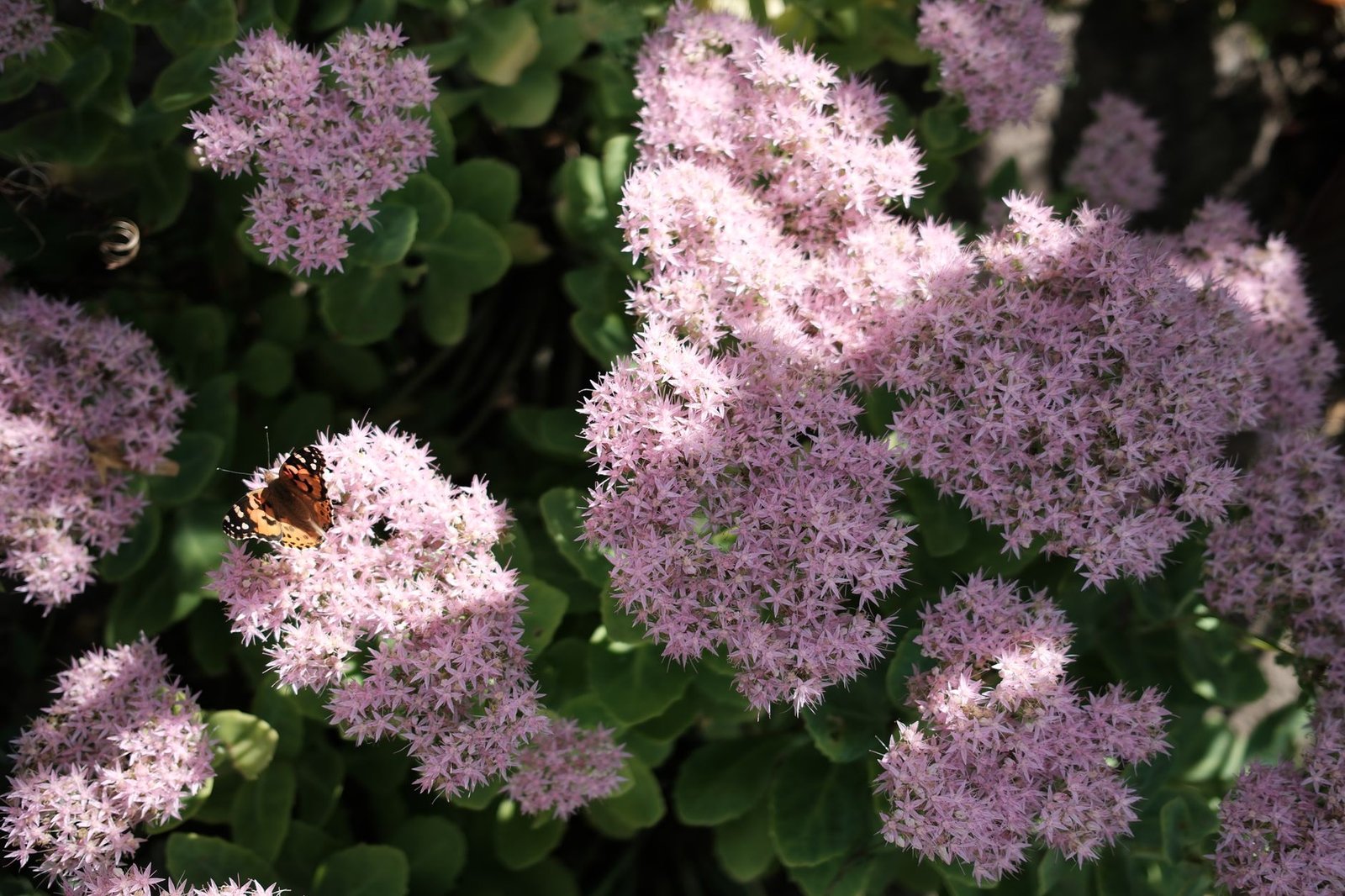
When a backyard lacks vibrancy and the delightful hum of pollinating insects, it signals an opportunity for ecological enhancement. Creating a garden that actively supports beneficial pollinators like bees, butterflies, and hummingbirds is not only an aesthetic choice but a crucial step toward enhancing biodiversity and fostering overall garden health. For 2026, the emphasis is on integrating thoughtful design with sustainable practices and modern material developments to cultivate thriving habitats for these essential creatures.
The Urgency of Pollinator Conservation in 2026
The global decline of pollinator populations remains a critical environmental concern, impacting ecosystems and food security worldwide. Pollinators are responsible for fertilizing a significant portion of the planet’s flowering plants, including many food crops. Gardens, regardless of their size, serve as vital refuges, offering much-needed food and shelter in increasingly urbanized or ecologically fragmented landscapes. In 2026, there is a growing understanding that every garden can contribute to a larger ecological network, supporting these essential workers.
Contemporary ecological design principles emphasize creating resilient and self-sustaining environments. This includes a heightened focus on native species, water conservation through smart irrigation systems, and the intelligent integration of natural and engineered elements to mimic beneficial ecosystems. The homeowner embarking on such a project contributes directly to local biodiversity and the long-term health of their immediate environment.
Laying the Groundwork: Sustainable Design & Modern Materials
Strategic Site Planning
Before planting, a thorough analysis of the site is paramount. Understanding the garden’s sun exposure, soil composition, and drainage patterns will inform plant selection and overall layout. Layered planting, incorporating canopy trees (if space allows), shrubs, perennials, and groundcovers, provides varied habitats and food sources throughout the year. This multi-tiered approach mimics natural ecosystems, offering diverse opportunities for pollinators to forage, shelter, and nest.
Eco-Conscious Infrastructure for 2026
Modern garden design for 2026 places a strong emphasis on sustainability and resource efficiency. Water management is a key consideration; drip irrigation systems with smart sensors, which adjust watering schedules based on real-time weather data and soil moisture, are becoming standard. Rainwater harvesting through attractive rain barrels or integrated cisterns further reduces reliance on municipal water sources. For pathways and hardscapes, permeable surfaces utilizing recycled aggregates or innovative bio-permeable pavers (some now incorporating mycelium composites for enhanced water absorption and reduced runoff) are preferred. Edging for garden beds and raised planters often employs recycled plastic lumber, locally sourced stone, or durable, non-leaching composites, ensuring longevity and minimal environmental impact.
Seven Strategies for a Vibrant Pollinator Haven
1. Prioritize Native Flora
Native plants are the cornerstone of any effective pollinator garden. They have co-evolved with local insect species, providing the precise nectar, pollen, and host plant material required for their life cycles. For instance, milkweed is essential for monarch butterfly larvae, while coneflowers and asters support a wide range of native bees. In 2026, the availability of genetically diverse native cultivars from responsible nurseries has increased, making it easier for residents to select species perfectly adapted to their regional climate and soil conditions, requiring less maintenance and water once established.
2. Ensure Continuous Blooms
Pollinators require a consistent food supply from early spring through late autumn. The resident should plan for a succession of blooms, selecting plants that flower at different times of the year. Early-blooming pussy willows or crocuses provide vital nectar when other sources are scarce, while summer mainstays like bee balm and phlox lead into late-season asters and goldenrod. This continuous floral buffet ensures that pollinators always find sustenance, supporting their populations throughout their active seasons.
3. Cultivate Floral Diversity
Different pollinators have unique preferences and physical adaptations for feeding. Incorporating a variety of flower shapes, sizes, and colors attracts a broader spectrum of species. Tubular flowers attract hummingbirds, flat-topped clusters appeal to small bees and hoverflies, while large, open blooms serve butterflies. Planting in drifts of the same species makes it easier for pollinators to spot and efficiently forage for resources.
4. Provide Essential Water Sources
Just like any living creature, pollinators need water. Shallow water sources are critical to prevent drowning. A simple bird bath with pebbles or rocks for landing spots, or a dedicated