Creating a vibrant and thriving garden in areas with limited sunlight is a common challenge for homeowners. In 2026, cultivating a lush shade garden is more achievable than ever, thanks to advancements in plant breeding and horticultural practices. The best shade-loving plants for a vibrant garden in 2026 encompass a diverse range of flowers, shrubs, and groundcovers that not only tolerate low-light conditions but truly flourish, offering spectacular foliage, compelling textures, and bursts of color throughout the seasons.
The Evolution of Shade Gardening in 2026
The landscape of gardening continues to evolve, with 2026 seeing a significant emphasis on sustainable, low-maintenance, and ecologically beneficial practices, even within shade gardens. Modern horticultural trends prioritize native plant integration, drought-tolerant varieties that perform well in shaded microclimates, and cultivars specifically bred for enhanced disease resistance and extended bloom times. Residents are increasingly seeking solutions that minimize resource consumption while maximizing aesthetic appeal and ecological value.
Enhanced Soil Amendments and Water Management
Contemporary shade gardening benefits immensely from cutting-edge soil science. Biodegradable, slow-release organic amendments designed for acidic or neutral soils, common in shaded areas, are becoming standard. These products improve water retention and nutrient availability, critical for plants competing for resources under established trees. Furthermore, smart irrigation systems, often integrated with local weather data and soil moisture sensors, ensure optimal watering, preventing both overwatering and drought stress, which are particularly detrimental in less exposed environments. Precision nutrient delivery through advanced slow-release formulations also supports robust plant health without excess runoff.
Smart Lighting and Microclimate Control
For areas with exceptionally deep shade, supplemental lighting technology has become more accessible and energy-efficient. Low-voltage LED lighting systems, often solar-powered or integrated with smart home networks, can provide targeted illumination to encourage growth in specific plants. Beyond artificial light, innovations in permeable hardscaping materials and strategically placed reflective surfaces are being utilized to bounce ambient light into previously dark corners, subtly altering microclimates and expanding planting possibilities.
Top Shade-Loving Flowers for Vibrant Color
Bringing color to shaded spots transforms a garden from merely green to genuinely dynamic. Several floral options offer striking visual interest without needing direct sun exposure.
Perennial Powerhouses
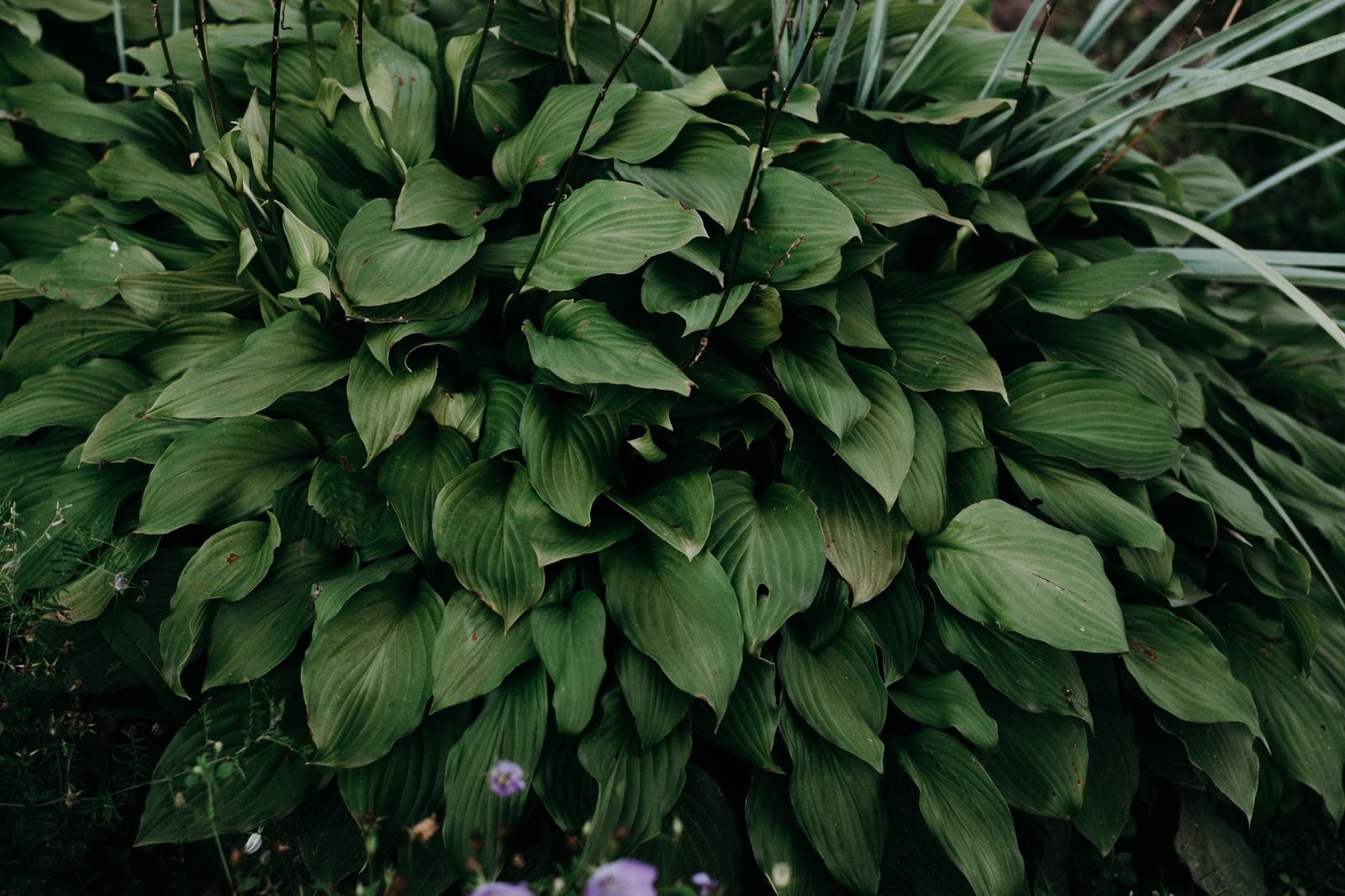
- Hosta: Continues to be a cornerstone of shade gardens. New cultivars in 2026 offer expanded leaf textures, dramatic variegation, and increased slug resistance.
- Astilbe: Known for its feathery plumes of red, pink, purple, or white, modern Astilbe hybrids boast improved drought tolerance and a longer bloom period, making them exceptionally reliable.
- Impatiens: The return of downy mildew-resistant New Guinea and ‘Beacon’ series Impatiens has revitalized their popularity, providing continuous, bright color in deep shade.
- Heuchera (Coral Bells): Valued more for their incredible foliage than their delicate flowers, 2026 varieties offer an astonishing palette of leaf colors from lime green to deep burgundy, silver, and peach, often with intricate veining.
Annual Accents
- Begonias: Both fibrous-rooted and tuberous begonias offer a spectrum of colors and forms, from upright wax begonias to trailing varieties perfect for hanging baskets. They are robust, continuous bloomers for full shade.
- Fuchsia: Elegant, pendulous flowers in shades of pink, purple, and red make Fuchsia an excellent choice for containers and hanging baskets in shaded patios, attracting hummingbirds.
Essential Shade Shrubs for Structure and Form
Shrubs provide essential structure and year-round interest in a shade garden, creating layers and defining spaces.
Evergreen Elegance
- Rhododendron and Azalea: While many prefer partial shade, numerous compact and reblooming varieties thrive in dappled light, offering evergreen foliage and spectacular spring or reblooming floral displays.
- Japanese Kerria (Kerria japonica): Its distinctive bright green stems provide winter interest, and golden-yellow flowers adorn the branches in spring, even in considerable shade. Dwarf varieties are excellent for smaller urban gardens.
- Boxwood (Buxus spp.): Though slow-growing, boxwoods offer dense, evergreen foliage that is highly amenable to pruning, perfect for creating formal hedges or sculptural elements in shaded borders.
Deciduous Delights
- Hydrangea: Many Hydrangea macrophylla (bigleaf) and Hydrangea quercifolia (oakleaf) varieties flourish in partial to full shade, providing showy blooms and, in the case of oakleaf, striking fall foliage and exfoliating bark. Modern reblooming types ensure season-long interest.
- Elderberry (Sambucus spp.): Native cultivars are gaining prominence for their ornamental foliage (often deeply cut or dark purple), showy flower clusters, and edible berries, thriving in woodland-edge conditions.
Groundcovers and Ferns: The Foundation of a Lush Shade Garden
Groundcovers suppress weeds, prevent erosion, and unify the garden floor, while ferns add unparalleled texture and an ancient, serene beauty.
Spreading Solutions
- Pachysandra (Pachysandra terminalis): A classic, evergreen groundcover that forms a dense mat, effectively smothering weeds. Newer selections are noted for improved vigor and disease resistance.
- Vinca minor (Periwinkle): Offers glossy evergreen foliage and delicate blue, white, or purple flowers in spring, spreading reliably to fill shaded areas.
- Liriope (Liriope muscari): A grass-like perennial that tolerates a wide range of conditions, including dry shade. Its variegated forms brighten dark corners, and its spiky purple or white flower stalks add vertical interest.
Foliage Ferns
- Japanese Painted Fern (Athyrium niponicum ‘Pictum’): Renowned for its silvery-green fronds with burgundy central veins, offering a stunning interplay of color and texture.
- Maidenhair Fern (Adiantum pedatum): Delicate, airy fronds on dark stems provide a graceful, soft texture in moist, shaded environments.
- Native Fern Varieties: Including Cinnamon Fern (Osmundastrum cinnamomeum) and Lady Fern (Athyrium filix-femina), which are increasingly favored for their ecological benefits and naturalized aesthetic, thriving in local conditions.
Designing with Shade in Mind: 2026 Considerations
Successfully integrating these plants requires careful planning. Understanding the varying degrees of shade—dappled, partial, or full—is crucial for optimal plant placement. The homeowner should consider the mature size and spread of each plant to prevent overcrowding and ensure each specimen receives adequate air circulation.
Layering and Textural Play
A truly lush shade garden employs strategic layering. Taller shrubs form the backdrop, medium-height perennials fill the mid-ground, and groundcovers and smaller ferns create a rich carpet. Combining plants with diverse leaf shapes, sizes, and colors—such as the bold, architectural leaves of Hosta alongside the delicate fronds of a Maidenhair Fern—creates dynamic visual interest and prevents the garden from appearing monotonous.
Sustainable Practices for Shady Spots
In 2026, sustainable management of shade gardens focuses on minimizing external inputs. Utilizing locally sourced organic compost enriches the soil, while biodegradable mulches made from wood chips or shredded leaves help retain moisture and suppress weeds. Integrated pest management, emphasizing natural predators and resistant varieties, is critical for maintaining plant health without resorting to harsh chemicals. Thoughtful plant selection, prioritizing native species where possible, enhances biodiversity and supports local ecosystems.
Creating a beautiful and thriving shade garden in 2026 is a rewarding endeavor. By selecting the right plants—those specifically adapted to low-light conditions and incorporating modern horticultural advancements—the resident can transform challenging shadowy areas into vibrant, verdant retreats. The diversity of available shade-loving flowers, shrubs, and groundcovers ensures that every garden, regardless of its light limitations, can achieve a lush and captivating aesthetic.