
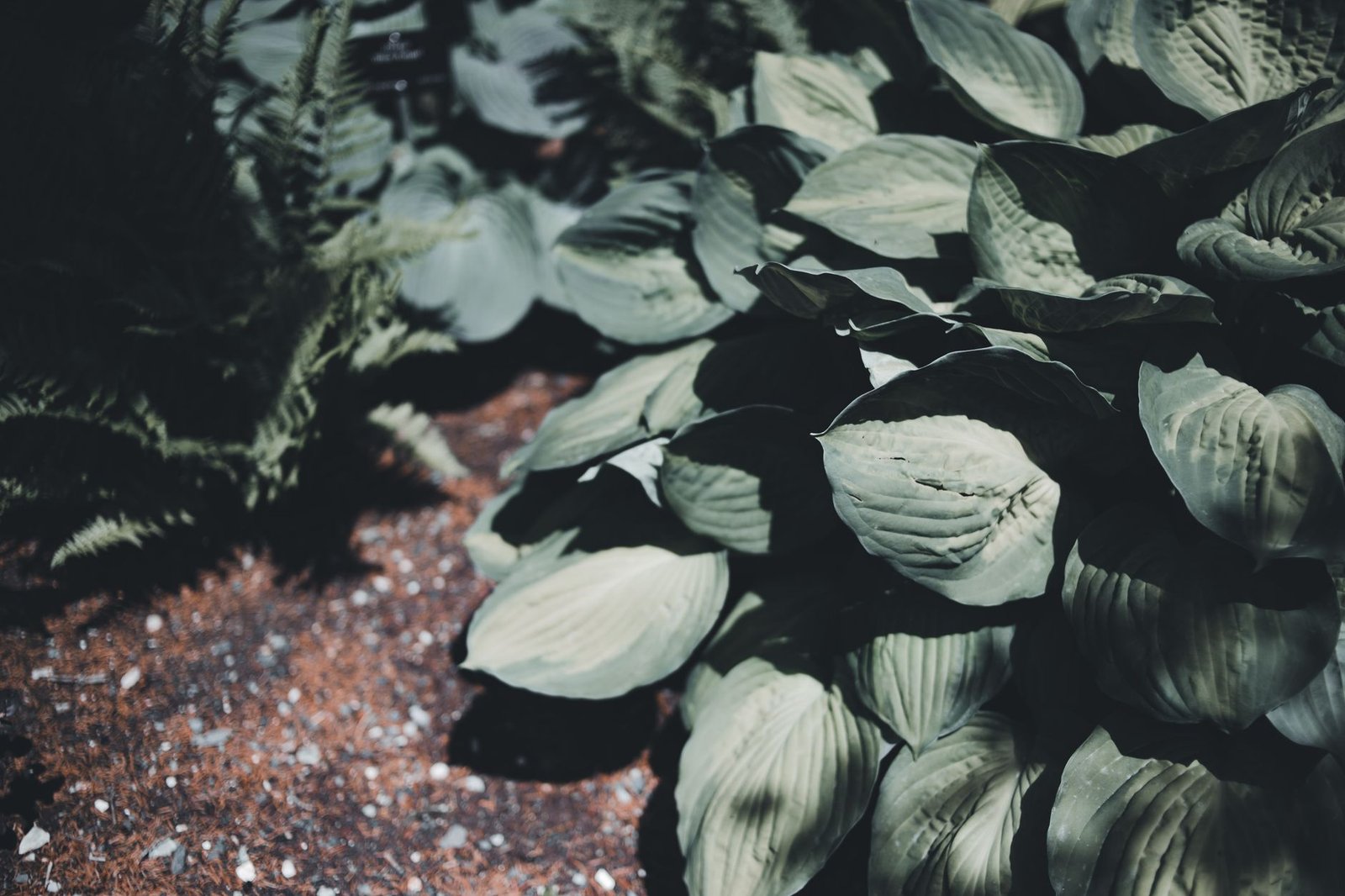
A backyard featuring extensive shade might seem like a horticultural challenge, but for the discerning resident, it presents a unique opportunity for creating tranquil, lush havens. In 2026, embracing low-light conditions transforms perceived limitations into design strengths, offering cool retreats from the sun and a canvas for diverse plant textures and forms. This article from Basisblog explores seven resilient and beautiful plants meticulously chosen to thrive in the shaded environments common in modern landscapes, providing effective solutions for challenging low-light gardening spots.
Understanding Shade Gardening in 2026: Trends and Technologies
The landscape of gardening continues to evolve, and by 2026, the approach to shaded areas has shifted significantly. No longer viewed as merely problematic, shade is celebrated for its ability to foster unique microclimates and reduce water evaporation. Contemporary landscape design emphasizes creating sustainable, biodiverse ecosystems that work in harmony with existing natural conditions.
Modern Trends & Material Developments
- Ecological Landscaping: There is a strong emphasis on selecting native or regionally adapted plants that naturally thrive in local shade conditions, reducing the need for excessive intervention and supporting local wildlife.
- Advanced Soil Amendments: Innovations like bio-char infused composts are gaining prominence. These amendments dramatically improve soil structure, water retention, and microbial activity, which are critical for plants in shaded areas where soil can often become compacted or nutrient-depleted.
- Smart Irrigation Systems: Precision watering solutions for 2026 include hyper-local sensors that can detect moisture levels in specific shaded zones, ensuring plants receive optimal hydration without waste. These systems integrate seamlessly with home automation, allowing for effortless management.
- Sustainable Container Gardening: For residents with patios or small shaded corners, lightweight, UV-resistant resin planters made from recycled materials offer durability and aesthetic appeal. Many designs now incorporate passive self-watering reservoirs, ideal for maintaining consistent moisture for shade-loving plants with minimal effort.
- Low-Voltage LED Lighting Integration: While not directly a plant trend, integrated low-voltage LED lighting systems are designed to enhance the beauty of shaded garden spaces during evening hours, without generating heat that could stress delicate shade plants. These systems allow for the subtle illumination of foliage and textures, extending the usability and enjoyment of the garden.
7 Thriving Plants for Low-Light Backyards
Selecting the right plants is paramount for a successful shade garden. The following seven options offer a blend of textural interest, vibrant foliage, and delicate blooms that flourish under the canopy.
Hosta (Hosta spp.)
The quintessential shade plant, Hostas are celebrated for their unparalleled diversity in foliage. Available in an astonishing array of sizes, shapes, and colors – from deep blue-green to vibrant gold and variegated patterns – they provide foundational texture and mass. Newer cultivars in 2026 boast enhanced slug resistance and increased heat tolerance, making them even more resilient. Their bell-shaped flowers, often lavender or white, appear in summer, adding another layer of charm.
Japanese Painted Fern (Athyrium niponicum var. pictum)
For exquisite texture and subtle color, the Japanese Painted Fern is an indispensable choice. Its fronds display striking shades of silvery-green and grey, often with burgundy or purple midribs, creating a delicate, almost metallic appearance. This fern thrives in consistently moist, rich soil and adds a refined, ethereal quality to shaded borders or woodland gardens. It pairs beautifully with solid green foliage, providing a captivating contrast.
Astilbe (Astilbe spp.)
Bringing vibrant color and feathery plumes to the shade garden, Astilbes are a homeowner favorite. Their showy flower spikes, ranging from white and pink to red and purple, emerge in late spring to mid-summer, depending on the variety. Complementing these blooms are attractive, deeply cut, fern-like foliage. Astilbes prefer rich, moist soil and tolerate dense shade, although some dappled sunlight can enhance their flowering display. Modern cultivars offer improved drought tolerance once established.
Heuchera (Coral Bells) (Heuchera spp.)
Heucheras are celebrated for their incredible foliage, which offers year-round interest in many climates. Leaves can range from lime green and amber to deep purple, nearly black, and various shades of red and orange, often with intricate veining or ruffling. Their delicate, bell-shaped flowers on tall stalks are a bonus, attracting pollinators. Heucheras perform best in well-drained soil and partial to full shade, providing a stunning groundcover or accent plant.
Pulmonaria (Lungwort) (Pulmonaria spp.)
Lungwort offers dual appeal with its distinctive foliage and early spring flowers. Many varieties feature attractive silver-spotted or mottled leaves that provide interest long after the blooms fade. The small, bell-shaped flowers appear in clusters, often changing color from pink to blue as they mature. Pulmonaria is a hardy perennial that thrives in moist, humus-rich soil in full to partial shade, making it an excellent choice for adding early season color and ongoing foliage texture.
Tiarella (Foamflower) (Tiarella cordifolia)
A charming native perennial, Foamflower is a superb choice for naturalistic shade gardens. It produces delicate, airy spikes of white, bottle-brush-like flowers in spring, resembling a frothy foam. The attractive, lobed leaves form a neat clump or spread as a groundcover, often developing reddish tints in cooler weather. Tiarella prefers moist, well-drained soil rich in organic matter and thrives in partial to full shade, offering a subtle yet elegant presence.
Sarcococca (Sweetbox) (Sarcococca hookeriana)
For a structural, evergreen presence in deeply shaded areas, Sarcococca, or Sweetbox, is an outstanding shrub. This slow-growing plant features glossy, dark green leaves and small, highly fragrant white flowers in winter, followed by black berries. Its compact size and dense growth habit make it perfect for foundation plantings, low hedges, or as a specimen plant in containers. Sarcococca tolerates dry shade once established, a valuable trait for challenging spots.
Cultivating Success: Maximizing Growth in Shaded Zones
Successful shade gardening extends beyond plant selection; it involves strategic planning and ongoing care. By 2026, best practices emphasize creating optimal conditions for the selected flora.
Soil Preparation is Key
Shaded areas often have compacted soil due to overhead trees or lack of sun. Amending the soil with generous amounts of organic matter – such as compost, leaf mold, or bio-char – significantly improves drainage, aeration, and nutrient retention. A soil test can help determine specific nutrient deficiencies, allowing for targeted amendments.
Strategic Watering
While shade reduces water evaporation, plants still require consistent moisture. The resident should ensure even hydration, avoiding both waterlogging and excessive dryness. Modern smart irrigation systems, capable of delivering precise amounts of water directly to the root zone, are particularly beneficial in managing moisture levels efficiently in varied light conditions.
Pruning for Light and Air Circulation
Occasionally, an overhead tree canopy may be too dense, blocking even essential dappled light. Strategic thinning of lower tree branches by a certified arborist can allow more light to penetrate without compromising the tree’s health. Additionally, ensuring good air circulation around plants helps prevent fungal diseases common in humid, shaded environments.
Nutrient Management
Shade plants generally prefer a gentle feeding regimen. The application of slow-release organic fertilizers in spring can provide a steady supply of nutrients throughout the growing season. Avoiding excessive nitrogen is crucial, as it can promote lush foliage at the expense of root development and overall plant resilience.
Integrated Pest Management (IPM)
Shaded environments can sometimes be attractive to certain pests, such as slugs and snails. Implementing an IPM approach involves monitoring for pest activity, encouraging natural predators, and using organic controls when necessary. For example, creating barriers with crushed eggshells or copper tape can deter slugs from hostas without chemical intervention.
Container Gardening Solutions
For flexible design and enhanced accessibility, container gardening in shaded areas is a highly effective strategy. Utilizing advanced self-watering containers allows for precise control over soil composition and moisture, and pots can be easily repositioned to optimize light exposure or refresh the aesthetic appeal of a patio or balcony.
Embrace the Potential of Shaded Spaces
The notion that a deeply shaded backyard limits planting possibilities is a misconception. By 2026, with the right knowledge, plant selections, and modern horticultural techniques, residents can transform low-light areas into captivating and serene outdoor rooms. The seven plants outlined provide a strong foundation for a thriving shade garden, offering beauty and resilience. Embracing the unique qualities of shaded environments allows for the creation of truly distinct and comfortable domestic landscapes, proving that even in the deepest shade, horticultural artistry can flourish.