
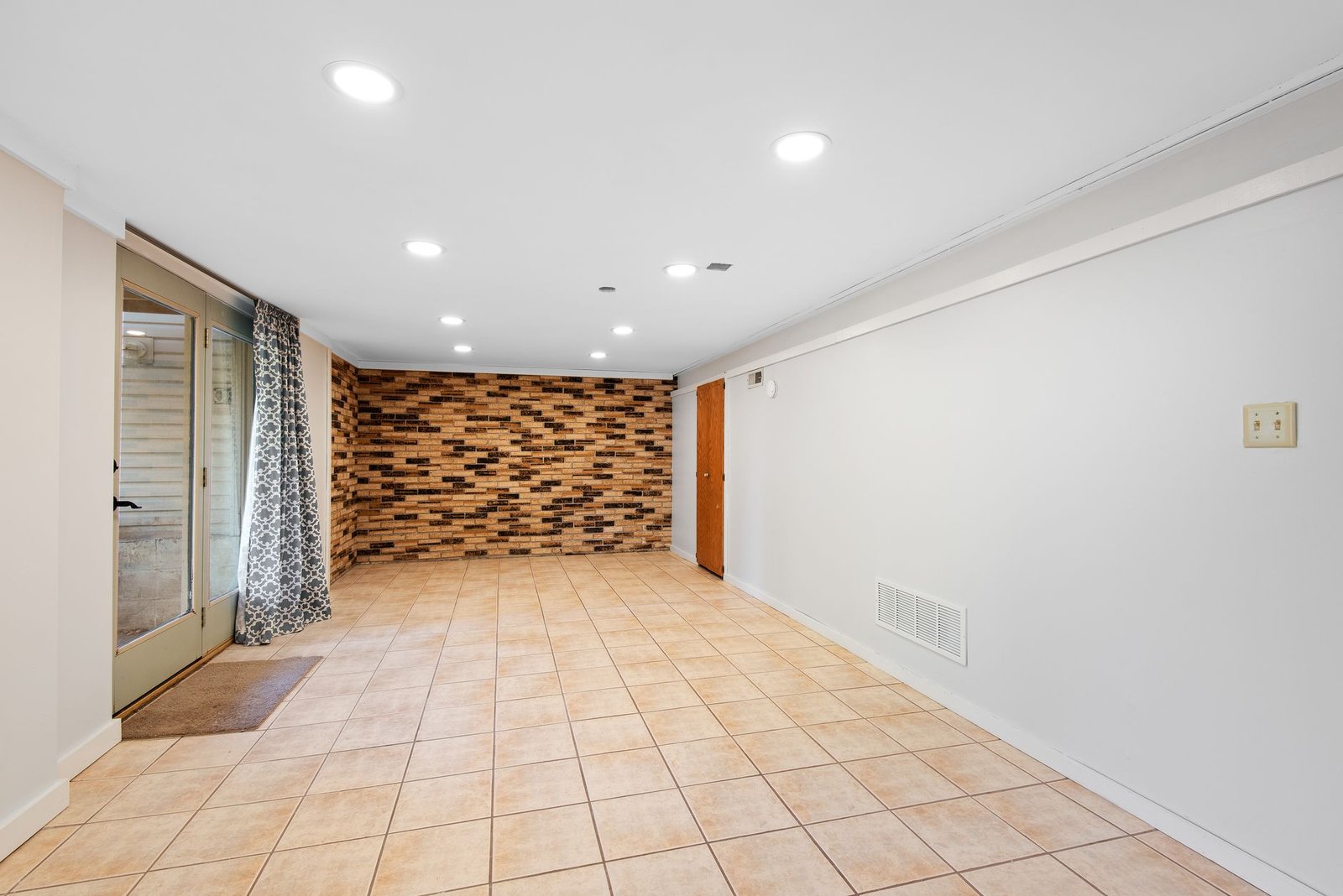
A basement often presents a unique design challenge, frequently feeling dark and unwelcoming. However, transforming a gloomy subterranean space into a bright, inviting extension of the home is entirely achievable with strategic lighting. This article explores seven effective lighting tricks that leverage modern advancements and design principles to illuminate basements, offering homeowners practical solutions for a significantly brighter 2026 and beyond.
Understanding the Subterranean Environment
The Unique Challenges of Basement Illumination
Basements inherently lack natural light, a primary contributor to their often-perceived gloominess. Overcoming this requires more than simply adding fixtures; it demands a comprehensive approach that considers light quality, placement, and integration with the overall interior design. The goal is to replicate the feeling of natural light and create a sense of openness, even in a confined space. Modern lighting solutions available in 2026 offer unprecedented control and aesthetic versatility, allowing for sophisticated transformations.
Strategic Lighting Solutions for Basements
1. Embrace Layered Lighting Design
Effective basement illumination begins with a multi-layered approach, a fundamental principle of modern interior design. This involves incorporating three key lighting types:
- Ambient Lighting: Provides general illumination, filling the room with a soft, overall glow. Recessed LED downlights, integrated linear lighting, and large ceiling-mounted fixtures are excellent choices. For 2026, smart recessed fixtures offering tunable white light (from warm to cool tones) are highly popular, allowing the resident to adjust the mood and functionality of the space throughout the day.
- Task Lighting: Focuses illumination on specific activity zones, such as a reading nook, a workbench, or a desk. Under-cabinet lighting, adjustable floor lamps, and directional track lighting are ideal. Look for fixtures with high Color Rendering Index (CRI) for accurate color perception, especially important for hobbies or detailed work.
- Accent Lighting: Highlights architectural features, artwork, or decorative elements, adding depth and visual interest. Wall sconces, picture lights, and discreet LED strip lighting (often integrated into shelving or coves) are perfect for this purpose. These can transform a bland wall into a focal point.
Combining these layers ensures a well-lit, functional, and visually appealing basement that avoids dark corners and uneven brightness.
2. Maximize with Recessed and Integrated Fixtures
Recessed lighting remains a cornerstone of contemporary basement design due to its clean, unobtrusive aesthetic. Flush-mounted LED panels and can lights minimize visual clutter and are particularly effective in rooms with lower ceiling heights. Advancements in 2026 include ultra-thin LED panels that can be installed directly into existing drywall without extensive modifications, and smart modules that allow individual control of each fixture. Beyond traditional recessed options, consider integrated lighting solutions such as LED strips embedded within ceiling coves, along kickplates, or inside shelving units. These create a seamless wash of light, enhancing architectural details and making the space feel larger and more polished.
3. Simulate Natural Daylight
One of the most impactful tricks for combating basement gloom is to simulate natural daylight. Full-spectrum LED bulbs with a color temperature around 5000K-6500K can mimic the crisp, energizing light of a bright day. For an even more immersive experience, innovative virtual window systems, which use high-definition screens and advanced LED arrays to display dynamic outdoor scenes, are gaining traction in 2026. These systems can profoundly alter the perceived environment, reducing feelings of confinement. Skylight alternatives, often employing specialized light tubes or reflective panels to channel external light, are also becoming more accessible, even without direct roof access.
4. Strategize Placement and Direction
The placement and direction of light sources are as critical as the fixtures themselves. Instead of just aiming lights straight down, consider directing them towards walls or ceilings. This technique, known as “wall washing” or “ceiling washing,” creates an illusion of height and openness by bouncing light across surfaces, softening shadows and brightening the entire room. Uplighting from floor lamps or discreet wall washers can visually lift a low ceiling. Position lights to eliminate dark corners, which can make a basement feel smaller and more enclosed. Strategic placement can also highlight lighter-colored finishes, further amplifying light reflection.
5. Implement Smart Lighting Systems
Smart lighting technology is revolutionizing how residents interact with their home environments, and basements are prime candidates for this integration in 2026. These systems allow for granular control over brightness, color temperature, and even color through a smartphone app, voice commands, or automated schedules. The homeowner can program different “scenes” – a bright, cool light for a home gym, a warm, dim glow for a media room, or a functional setting for a laundry area. Dimmable smart LEDs are particularly crucial for basements, offering flexibility to adapt the ambiance from day to night or activity to activity. Motion sensors can also be integrated for convenience in utility areas, ensuring light is only present when needed.
6. Leverage Reflective Surfaces and Light Colors
Beyond the fixtures themselves, the surrounding environment plays a significant role in light amplification. Utilizing reflective surfaces is a clever trick to maximize the impact of artificial light. Large mirrors strategically placed can reflect both real and simulated light, effectively doubling its presence and making the space appear larger. Opt for light-colored paint on walls and ceilings – whites, off-whites, and pale neutrals are excellent choices as they reflect light rather than absorbing it. Glossy or semi-gloss finishes can further enhance reflectivity compared to matte paints. Light-colored flooring, such as polished concrete, light wood laminates, or pale tiles, also contributes significantly to a brighter basement aesthetic, helping to distribute light throughout the area.
7. Incorporate Task-Specific and Decorative Fixtures
While recessed and integrated lighting provides the foundational illumination, task-specific and decorative fixtures add personality and functionality. Floor lamps with upward-facing lights or multiple arms can add significant ambient light while also serving as stylish decor. Pendant lights over a bar area, island, or game table provide focused task lighting and a strong design statement. Wall sconces can add warmth and decorative flair, breaking up monotonous wall spaces. In 2026, minimalist designs with exposed filaments or natural material accents are trending, offering both illumination and artistic value. These fixtures complete the lighting scheme, adding layers of interest and ensuring every corner of the basement serves its intended purpose effectively and beautifully.
Transforming Basement Spaces
Transforming a gloomy basement into a vibrant and welcoming part of the home is a journey that begins with intentional and intelligent lighting design. By employing these seven practical and stylish lighting tricks, from embracing layered illumination and smart systems to leveraging reflective surfaces and natural daylight simulation, the homeowner can achieve a dramatic and lasting transformation. The advanced technologies and design trends of 2026 offer unprecedented opportunities to create a subterranean space that feels not just brighter, but genuinely integrated, functional, and aesthetically pleasing, significantly enhancing the overall comfort and value of the residence.