For many residents, an expanse of unadorned wall can feel uninspiring, lacking the warmth and character that transform a house into a home. Far from being a mere backdrop, walls present an expansive canvas awaiting creative expression. In 2026, elevating these often-overlooked spaces is simpler and more engaging than ever, with numerous budget-friendly and trend-forward solutions available to inject unique personality. This guide explores seven innovative ways to transform blank walls, embracing the latest materials and design philosophies of the current year.
Embrace Texture and Dimension: Trends for 2026
Adding tactile elements and visual depth immediately elevates a space, moving beyond flat surfaces to create an engaging environment. The year 2026 emphasizes natural textures and sustainable materials, offering both aesthetic appeal and a nod to eco-conscious living.
3D Wall Panels: Sculptural Statements
Injecting dynamic energy into any room, 3D wall panels are a leading trend in 2026. These panels transcend traditional flat surfaces, offering sculptural relief and captivating shadows. Modern iterations are crafted from a variety of sustainable materials, including recycled PET plastic, bamboo pulp, and even reclaimed wood fibers, aligning with a growing demand for eco-friendly interiors. Homeowners can select from intricate geometric patterns, organic flowing designs, or subtle wave motifs to create a sophisticated focal point. Installation is often a straightforward DIY task, making them a surprisingly budget-friendly option for a high-impact transformation. Beyond aesthetics, some advanced 3D panels also offer enhanced acoustic properties, contributing to a calmer, more comfortable domestic environment.
Textile Art and Macramé: Softening Spaces
Textile art continues its resurgence in 2026, evolving beyond traditional tapestries to include intricate macramé wall hangings, woven artworks, and fabric installations. These pieces introduce softness, warmth, and an inviting texture to a blank wall. The current year sees a preference for oversized, abstract designs in natural, undyed fibers like organic cotton, jute, and ethically sourced wool. Earthy tones and muted, biophilic color palettes are particularly popular, fostering a sense of calm and connection to nature within the home. Whether hand-knotted macramé, abstract woven pieces, or layered fabric panels, textile art offers an accessible way to introduce artisanal charm and unique personality, often supporting local craftspeople and sustainable production methods.
Curated Artistry and Visual Storytelling
Walls serve as perfect platforms for self-expression through art and curated displays. The focus for 2026 is on personalization, thoughtful arrangement, and the integration of modern digital and sustainable art forms.
Gallery Walls Reinvented: Dynamic Displays
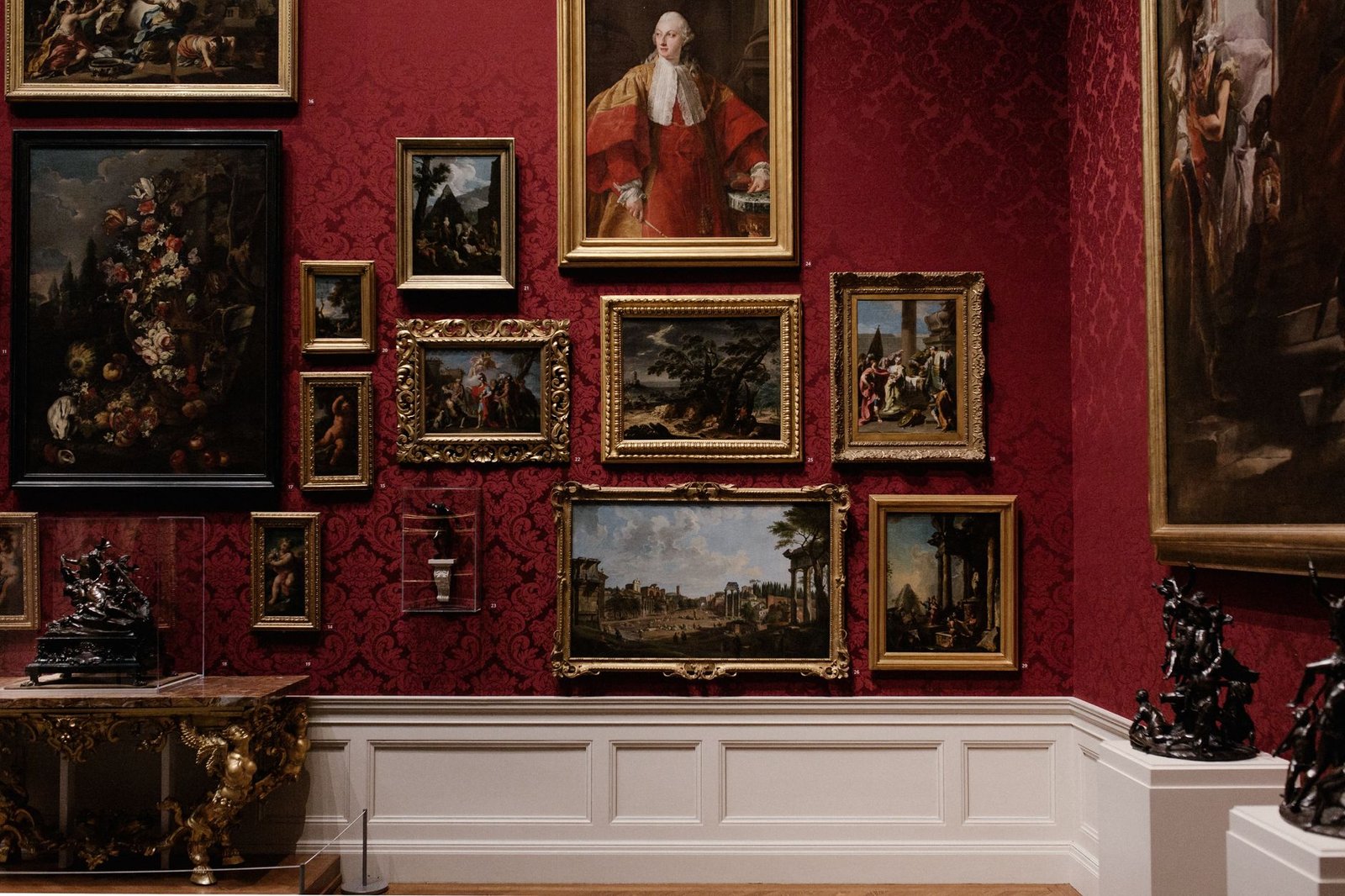
The classic gallery wall receives a contemporary update in 2026. Rather than rigid grids, current trends favor asymmetrical layouts and a curated mix of mediums. This includes combining framed photographs and illustrations with small three-dimensional objects, mirrors, or even integrated digital art displays that cycle through various pieces. Emphasis is placed on telling a personal story through the collection, incorporating found objects, travel mementos, and artworks from local artists. Budget-friendly options include printing personal photographs on sustainable archival paper or canvas, repurposing vintage frames, and utilizing peel-and-stick mounting solutions for easy rearrangement without wall damage. The key is a cohesive, yet eclectic, visual narrative.
Large-Scale Statement Art: Impactful Simplicity
For a truly dramatic effect, a single, large-scale piece of art can anchor a room and define its aesthetic. In 2026, popular choices lean towards abstract forms, soothing biophilic landscapes, or minimalist geometric designs. The intent is to evoke emotion and provide a sense of expansive tranquility, rather than overwhelming the viewer. Digital prints on sustainable canvas, large format fabric art, or even custom wallcoverings designed to mimic a hand-painted mural offer accessible ways to achieve this high-impact look without the cost of an original masterpiece. Residents are encouraged to seek out works that resonate personally, often from emerging artists or through online marketplaces that champion ethical production and sustainable materials.
Murals and Wall Decals: Transformative Narratives
The power of a mural to completely transform a space is undeniable, and in 2026, this option is more accessible than ever. Peel-and-stick murals and high-quality wall decals offer custom designs, from subtle geometric patterns and abstract washes to detailed nature scenes. Modern printing technologies allow for vibrant colors and intricate details on durable, repositionable materials, making them a flexible solution for renters or those who enjoy frequent aesthetic updates. Custom print-on-demand services allow homeowners to upload personal designs or photographs, creating a truly unique and budget-friendly focal point. This approach enables the resident to craft a narrative directly onto the wall, reflecting individual style and preferences without a long-term commitment.
Functional Flair and Innovative Materials
Beyond aesthetics, walls can offer practical benefits, from storage to improved well-being, leveraging 2026’s focus on smart and sustainable living.
Smart Storage Solutions: Integrated Utility
Blank walls present an ideal opportunity to incorporate functional storage that also serves as a design element. In 2026, the trend is towards integrated and modular shelving systems crafted from sustainably sourced timber, recycled metals, or biocomposite materials. Floating shelves, often with hidden mounting hardware and subtle integrated LED lighting, offer clean lines and a modern aesthetic. Modular units can be configured to hold books, display curios, or even conceal clutter behind sleek panels. Smart solutions might include shelves with integrated charging ports or hidden compartments, blending technology seamlessly into the design. This approach maximizes vertical space, reduces floor clutter, and adds sophisticated practicality to any room.
Living Walls and Biophilic Elements: Nature’s Embrace
Bringing the outdoors in remains a powerful trend, with living walls and biophilic elements becoming increasingly sophisticated and accessible in 2026. Vertical gardens featuring low-maintenance plants like succulents, ferns, or air plants, housed in modular wall-mounted systems, significantly enhance indoor air quality and promote a sense of well-being. Preserved moss art panels offer a maintenance-free alternative, providing vibrant green textures and organic forms that connect the space to nature. Some systems incorporate smart irrigation or integrated lighting, simplifying plant care. This approach transforms a blank wall into a refreshing, dynamic feature that not only looks beautiful but also contributes to a healthier, more tranquil living environment, aligning with the growing emphasis on domestic comfort and wellness.
Conclusion
The transformation of blank walls from uninspired backdrops to captivating focal points is an exciting journey for any homeowner. The creative ideas presented for 2026—from textured panels and textile art to personalized gallery walls, impactful murals, smart storage, and refreshing living elements—offer a spectrum of possibilities. By embracing modern materials, sustainable practices, and individual expression, the resident can imbue their home with unique personality, enhanced comfort, and a design aesthetic that truly resonates. These methods prove that infusing character into a living space can be both budget-friendly and deeply rewarding, resulting in a home that feels authentically a part of its inhabitants.