
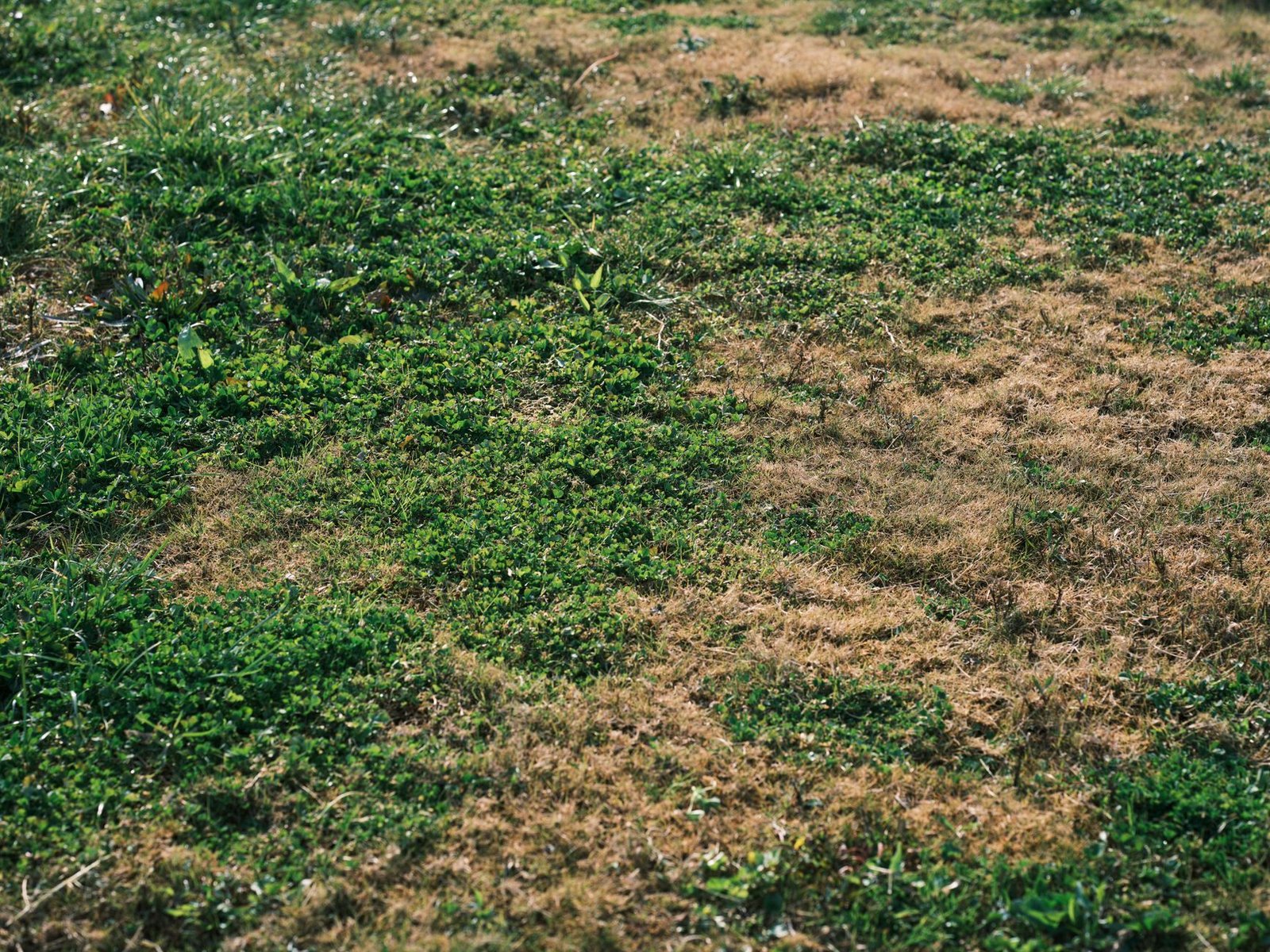
Observing brown patches across a lawn can be an alarming sight for any homeowner, often signaling more than just drought stress. These unsightly areas frequently indicate the presence of common lawn diseases, which, if left unaddressed, can severely compromise turf health and aesthetics. This guide assists residents in 2026 with identifying various prevalent lawn pathogens responsible for brown patches and provides actionable, step-by-step solutions for accurate diagnosis, effective treatment, and robust prevention.
Understanding Brown Patches: Beyond Simple Dryness
While inadequate watering is a common culprit for browning turf, persistent or irregularly shaped brown patches often point to underlying fungal diseases. Accurately distinguishing between drought stress and disease is the critical first step in successful lawn recovery. Drought-stressed grass typically shows a uniform browning across affected areas and can sometimes recover with proper irrigation, whereas disease often manifests in distinct patterns, shapes, and colors within the brown areas.
In 2026, advanced soil moisture sensors and smart irrigation systems, often integrated with local weather data, assist homeowners in optimizing watering schedules, thereby ruling out simple dehydration as the cause of browning before deeper investigation into pathology.
Common Lawn Diseases Causing Brown Patches
Several fungal diseases are notorious for creating brown patches. Understanding the specific symptoms of each is paramount for correct identification.
Brown Patch (Rhizoctonia solani)
Symptoms: This disease typically appears as circular or irregularly shaped patches of brown, thinning grass, ranging from a few inches to several feet in diameter. Often, a “smoke ring” or dark border may be visible during periods of high humidity, particularly in the early morning. Individual grass blades will show lesions that are tan with a darker brown margin.
Diagnosis: Examination of the grass blades for characteristic lesions is recommended. Brown Patch is prevalent in hot, humid weather and typically affects cool-season grasses, though it can impact warm-season varieties. Soil testing in 2026 can identify nutrient imbalances that predispose turf to this disease.
Treatment & Prevention (2026):
- Fungicides: Modern, low-impact fungicides are available. Products containing azoxystrobin or propiconazole can be considered, applied proactively during high-risk conditions. Manufacturer instructions must always be followed.
- Watering Practices: Water deeply and infrequently, ideally in the early morning to allow grass to dry completely before nightfall. Smart irrigation systems can be programmed for this.
- Air Circulation: Air circulation can be improved by pruning surrounding shrubs and trees.
- Fertilization: Excessive nitrogen fertilization during hot weather should be avoided, as this can exacerbate the disease. Slow-release granular fertilizers or bio-stimulants promoting soil health are preferred.
Dollar Spot (Clarireedia jacksonii/japonica)
Symptoms: Small, circular, straw-colored patches, typically 2-6 inches in diameter, resemble the size of a silver dollar. Multiple spots may coalesce to form larger, irregular areas. Close inspection reveals lesions on individual grass blades that are tan with a reddish-brown border, often hourglass-shaped.
Diagnosis: The distinct small, circular patches should be sought. Dollar Spot thrives in moderate temperatures with high humidity and is often associated with low nitrogen fertility and dry soils.
Treatment & Prevention (2026):
- Fertilization: Adequate nitrogen levels should be maintained using balanced, slow-release fertilizers.
- Watering: Irrigation should be deep, to a depth of 6-8 inches, when the soil begins to dry, reducing surface moisture.
- Thatch Management: Regular dethatching prevents excessive build-up, which can harbor fungal spores.
- Fungicides: Contact and systemic fungicides like chlorothalonil or propiconazole can be effective, particularly in areas with a history of severe Dollar Spot.
Red Thread (Laetisaria fuciformis)
Symptoms: Irregularly shaped, bleached-looking patches of grass, often with a pink or reddish tint. Upon closer inspection, pinkish-red, thread-like fungal structures (sclerotia) may be visible extending from the grass blades.
Diagnosis: The most distinctive feature is the red or pink threads. Red Thread is common in cool, wet weather, particularly when nitrogen levels are low and soil compaction is an issue.
Treatment & Prevention (2026):
- Nitrogen Boost: Application of a balanced, slow-release nitrogen fertilizer often provides significant control.
- Improve Drainage & Airflow: Aeration of compacted soils and ensuring good air circulation is beneficial.
- Fungicides: Generally not required if cultural practices are optimized, but if severe, a broad-spectrum fungicide can be used as a last resort.
Necrotic Ring Spot (Ophiosphaerella korrae)
Symptoms: This disease forms distinct “frog-eye” patterns, characterized by circular patches of dead grass with healthy grass growing in the center, or simply circular dead patches. Patches often appear in spring and fall and can persist for years.
Diagnosis: The “frog-eye” pattern is a key indicator. Necrotic Ring Spot is a root disease, often associated with compacted soils, poor drainage, and excessive thatch, primarily affecting Kentucky bluegrass and fine fescues.
Treatment & Prevention (2026):
- Core Aeration: Essential for relieving compaction and improving root growth.
- Thatch Removal: Regular dethatching prevents disease harboring.
- Watering: Deep and infrequent irrigation helps drive roots deeper.
- Fungicides: Systemic fungicides like fenarimol or azoxystrobin can be applied preventatively in spring and fall, targeting the root zone.
- Soil Health: Incorporation of beneficial microbes and bio-stimulants to enhance soil biology and root health is a growing trend in 2026.
Advanced Diagnosis and Treatment Strategies for 2026
Modern lawn care integrates several advanced approaches for more precise and effective disease management.
- Professional Soil Testing: Beyond basic pH, comprehensive soil analysis in 2026 includes microbial activity, organic matter content, and trace mineral profiles, providing a holistic view of soil health and specific recommendations for improvement.
- AI-Powered Diagnostics: Emerging smartphone applications utilizing AI can analyze uploaded images of lawn damage, offering preliminary disease identification. While not a substitute for professional assessment, these tools provide valuable initial insights for the property owner.
- Integrated Pest Management (IPM): This holistic approach combines cultural, biological, and chemical methods to manage diseases sustainably. It prioritizes prevention through optimal cultural practices, using targeted chemical applications only when necessary, minimizing environmental impact.
- Disease-Resistant Cultivars: When renovating or establishing a new lawn, selecting grass varieties engineered for disease resistance is a significant preventative measure. Information on regionally adapted, disease-resistant turfgrasses is readily available.
Proactive Prevention: Maintaining a Resilient Lawn
The best defense against lawn diseases is a healthy, vigorously growing turf. Prevention is always less costly and time-consuming than treatment.
- Proper Mowing: The recommended cutting height for the grass type, typically 2.5-3 inches, should be maintained. Removal of more than one-third of the blade height at once should be avoided. Mower blades should be kept sharp to prevent tearing grass, which creates entry points for pathogens.
- Optimal Watering: Water deeply and infrequently to encourage deep root growth. Early morning watering is generally preferred, allowing foliage to dry before evening. Smart irrigation systems are invaluable here.
- Balanced Fertilization: A soil test-based fertilization program should be followed. Over-fertilization with nitrogen, especially during disease-prone periods, should be avoided. Slow-release, granular fertilizers should be utilized, and organic amendments can be considered to build soil health.
- Thatch & Compaction Management: Regular dethatching and aeration prevent the buildup of organic matter and relieve soil compaction, both of which stress grass and harbor pathogens.
- Good Air Circulation: Trees and shrubs should be pruned to improve airflow over the lawn, reducing humidity that encourages fungal growth.
- Weed Control: Weeds can compete for nutrients and sometimes act as hosts for diseases. Proactive management of weeds is beneficial.
Conclusion
Brown patches on a lawn are often a clear signal of underlying disease rather than just simple dryness. By understanding the distinct symptoms of common lawn diseases such as Brown Patch, Dollar Spot, Red Thread, and Necrotic Ring Spot, homeowners can accurately diagnose the problem. Implementing targeted 2026 treatment strategies, coupled with a robust preventative maintenance schedule that incorporates modern soil health practices and smart technologies, ensures a lush, disease-free lawn. Consistent vigilance and appropriate cultural practices are the cornerstones of maintaining a vibrant, healthy turf for years to come.