
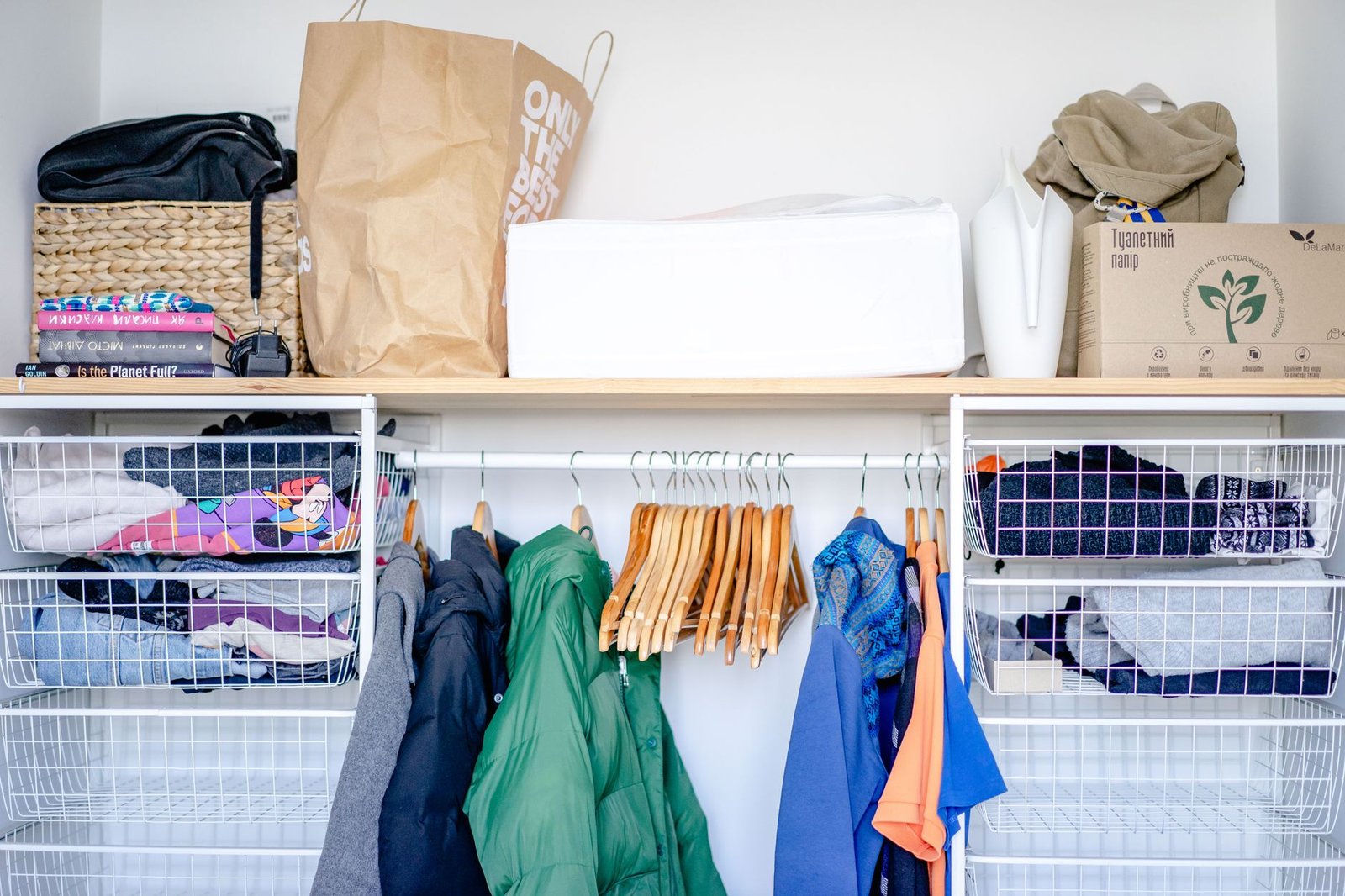
A shallow closet presents unique organizational challenges, making it difficult to store garments and accessories efficiently without overflowing or creating disarray. For the homeowner facing this common dilemma, optimizing limited depth requires clever strategies and a forward-thinking approach. This article will explore seven smart organization tricks, leveraging 2026 industry trends and material innovations, to maximize every inch of space within a shallow closet, transforming a frustrating bottleneck into a functional, streamlined storage area.
Navigating the Shallow Closet Conundrum
The inherent limitation of a shallow closet is its restricted front-to-back depth, which often prevents the use of standard hangers or traditional storage solutions. Garments can become crushed against the back wall or protrude excessively, making retrieval difficult and creating an untidy appearance. This design challenge is prevalent in older homes, apartments, and increasingly in modern, compact living spaces where efficient space utilization is paramount. Overcoming this requires not just storage products, but a strategic mindset focused on verticality, visibility, and adaptable systems.
Effective organization in a shallow closet begins with a thorough assessment of the contents. The resident should identify frequently used items versus seasonal wear, and categorize garments to understand storage requirements. This foundational step allows for targeted application of the following space-maximizing techniques, ensuring that every solution genuinely addresses specific needs and contributes to a more organized environment.
Seven Ingenious Strategies for Optimized Space
1. Embrace Verticality with Tiered & Stackable Solutions
Maximizing vertical space is paramount in a shallow closet. Rather than simply hanging items side-by-side, consider multi-tiered hanging solutions. These can include cascading hangers that allow five shirts to occupy the vertical space of one, or hanging shelves made from durable, lightweight recycled composites or bamboo, prevalent in 2026. For folded items, stackable bins and drawers that are specifically designed with shallower depths prevent items from getting lost in deep piles. Modular shelving units with adjustable heights also enable the homeowner to customize compartments to the exact dimensions of clothing stacks or stored accessories.
2. Implement Slimline Hangers and Multi-Garment Rails
Standard plastic or wooden hangers consume valuable horizontal space. Swapping these for ultra-thin velvet-flocked hangers can reclaim significant width, allowing for more garments to be hung without overcrowding. In 2026, many slimline hangers are crafted from sustainable bioplastics or recycled materials, offering both functionality and eco-consciousness. Additionally, specialty multi-garment rails, which feature multiple hooks or bars, can hold several pairs of trousers or skirts in the space of one, making them ideal for the shallowest of closets.
3. Leverage Door-Mounted and Wall-Mounted Storage
The inside of the closet door and adjacent wall sections often represent untapped potential. Over-the-door organizers with shallow pockets or clear compartments are perfect for accessories, shoes, belts, and scarves. For items like jewelry or ties, slim, wall-mounted racks or magnetic organizer panels, which utilize advanced, strong-yet-removable adhesive technologies common in 2026, can provide accessible storage without encroaching on the limited internal depth. Even pegboard systems, made from recycled polymers or lightweight aluminum, can be installed on interior walls to provide customizable hanging options for various items.
4. Utilize Clear Bins and Shallow Drawer Dividers
Visibility is crucial to maintaining order in a shallow space. Opaque containers can lead to forgotten items and duplicate purchases. Opt for clear, shallow bins or baskets crafted from sustainably sourced acrylic or recycled PET, allowing the resident to quickly identify contents. These are ideal for folded garments, seasonal items, or smaller accessories. Within drawers or shelves, adjustable dividers are invaluable for segmenting space, preventing items from shifting and creating instant clutter. Look for modular divider systems made from recycled plastic or bamboo, which are prevalent in contemporary organization solutions.
5. Master Strategic Folding and Rolling Techniques
The way items are folded or rolled significantly impacts how much space they occupy. Methods such as file folding (e.g., KonMari method) allow garments to be stored vertically in drawers or bins, making them easy to see and access without disturbing others. Rolling t-shirts, towels, or even some thicker sweaters can also save considerable space compared to traditional stacking. This technique is particularly effective for storing items in shallow bins or on open shelving, maximizing available depth.
6. Invest in Modular and Adaptable Closet Inserts
Fixed closet shelving and rods are often inefficient for shallow spaces. Modern solutions in 2026 include highly modular systems with adjustable rails, shallow pull-out baskets, and custom-sized drawer inserts that can be reconfigured as storage needs evolve. Many of these systems feature lightweight, high-strength alloys or advanced composites, ensuring durability while remaining easy to install and modify. These adaptable components allow the homeowner to tailor the internal structure precisely to the dimensions and specific items requiring storage, optimizing every millimeter.
7. Implement Digital Inventory and Seasonal Rotation
A smart approach to a shallow closet includes managing inventory. Utilizing a simple spreadsheet or a dedicated closet management app – increasingly sophisticated in 2026 with features like augmented reality for virtual try-ons and even basic RFID garment tagging – can help the user keep track of what is owned. This prevents overfilling the closet with unnecessary items. Implementing seasonal rotation is also key: off-season clothing should be stored in designated, space-saving containers (e.g., vacuum-sealed bags, under-bed storage) outside the primary closet, ensuring that only currently relevant items occupy the limited, valuable shallow closet space.
Embracing 2026 Innovations in Closet Design
The year 2026 brings an emphasis on smart functionality, sustainable materials, and hyper-customization in home organization. Beyond the specific tricks, the broader trend is toward systems that are not only space-efficient but also aesthetically pleasing and environmentally responsible. Materials like recycled ocean plastics, bioplastics derived from renewable resources, and responsibly sourced bamboo composites are increasingly common in modular organizers and storage bins. Furthermore, subtle integration of smart technology, such as LED lighting systems that respond to proximity or even digital labels for bins, enhances both utility and user experience. Residents are encouraged to explore these modern advancements to create a closet that is not just organized but also intelligent and sustainable.
Transforming a shallow closet from a source of frustration to a model of efficiency is entirely achievable with strategic planning and the application of these clever organization tricks. By prioritizing verticality, smart storage solutions, and leveraging 2026’s innovative materials and design philosophies, the homeowner can create a highly functional and beautifully ordered space, regardless of its limited depth. The key lies in thinking creatively about every dimension and selecting tools that truly enhance accessibility and order.