
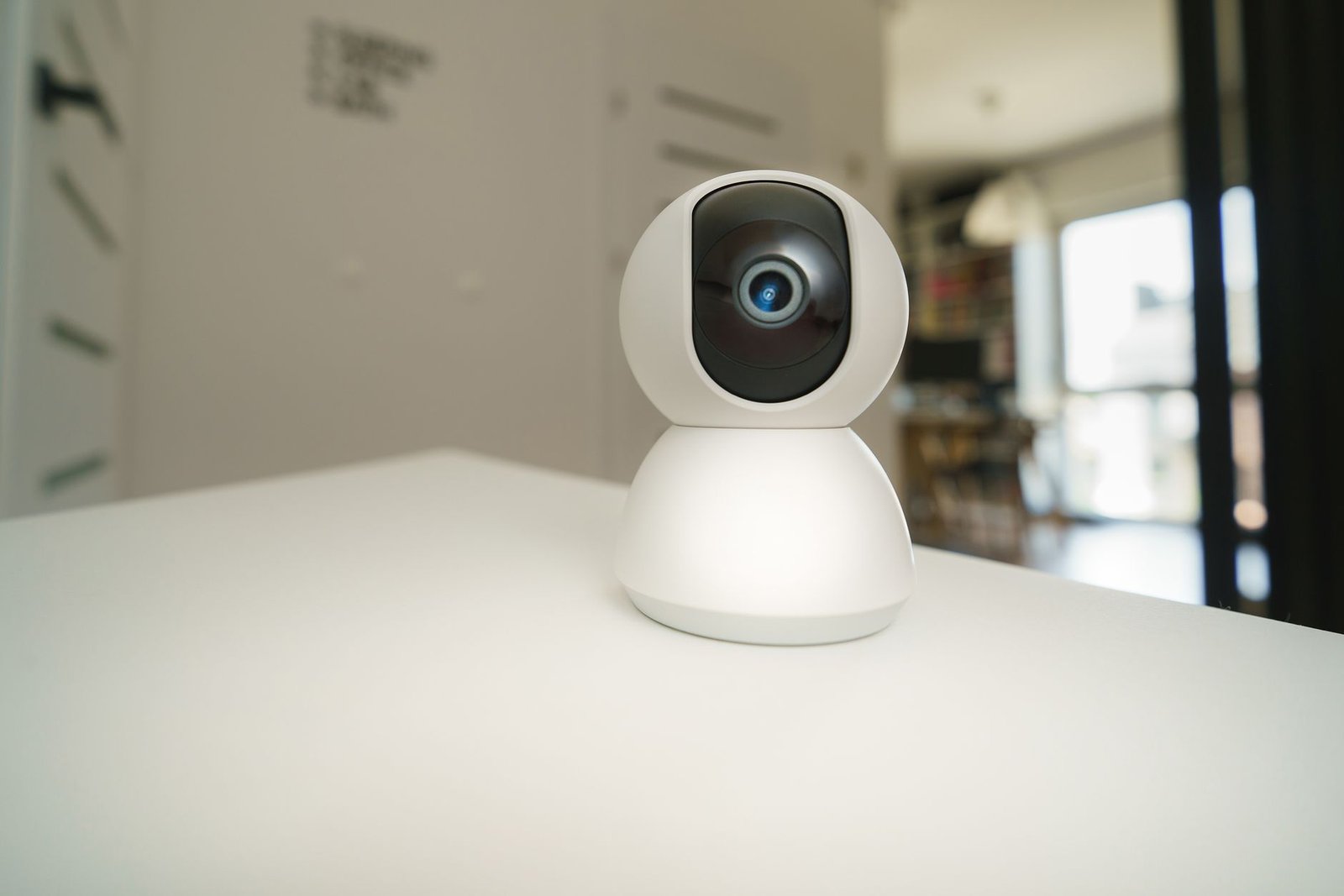
In 2026, the landscape of home security offers residents robust options, with both DIY smart security systems and professional monitoring services providing significant advancements in safety and peace of mind. Deciding which option offers superior safety ultimately depends on an individual’s specific needs, budget, technical aptitude, and the desired level of active vigilance. While DIY solutions empower homeowners with direct control and customization, professionally monitored systems offer round-the-clock expert oversight, each evolving rapidly with cutting-edge technology.
DIY Smart Security Systems: Advantages and Considerations
The appeal of a do-it-yourself smart home security system in 2026 remains strong due to several compelling factors, primarily centered around cost and control. These systems often integrate seamlessly with broader smart home ecosystems, leveraging advanced AI and sensor technology that has become increasingly accessible.
Cost-Effectiveness and Customization
One of the primary advantages for the homeowner choosing a DIY setup is the reduced initial investment and the absence of recurring monthly fees. Residents can select specific components—from high-definition, AI-powered cameras capable of distinguishing between people and animals, to advanced environmental sensors detecting anomalies like early signs of water leaks or smoke via quantum-dot technology—tailoring the system precisely to property requirements. This modular approach allows for gradual expansion and upgrades, adapting to evolving security needs without vendor lock-in.
Installation and Maintenance
Modern DIY systems have become significantly easier to install, with many components featuring Matter-compatible, plug-and-play functionality. However, effective deployment still requires a certain degree of technical proficiency from the resident, especially for optimal placement of sensors, camera calibration, and secure network integration. Maintenance, troubleshooting, and software updates are also the homeowner’s responsibility. While intuitive interfaces simplify these tasks, the onus remains on the individual to ensure the system operates at peak efficiency.
Response Protocols and Reliability
DIY security relies heavily on the resident’s immediate response to alerts. When an alarm triggers, notifications are typically sent directly to the homeowner’s mobile device. The speed of emergency service dispatch then depends entirely on the resident’s availability and ability to contact authorities promptly. To enhance reliability in 2026, many DIY systems incorporate local data processing, robust battery backups, and even satellite internet failover options, minimizing vulnerability to power outages or internet disruptions for critical functions like motion detection and local recording.
Professional Monitoring Services: Advantages and Considerations
For those prioritizing hands-off, continuous security, professional monitoring services continue to set a high standard. These systems leverage sophisticated networks and human expertise to provide comprehensive protection.
Round-the-Clock Vigilance
The core benefit of professional monitoring is the 24/7 human oversight. Dedicated monitoring centers employ trained professionals who receive and verify alarm signals. In the event of an intrusion, fire, or other emergency, these operators are responsible for contacting the homeowner and dispatching appropriate emergency services directly, even if the resident is unavailable or unresponsive. This eliminates the reliance on the homeowner’s immediate availability, offering unparalleled peace of mind.
Expert Installation and Support
Professional services typically include expert installation, ensuring optimal placement of devices, secure wiring, and seamless integration with the property’s infrastructure. This minimizes common installation errors and maximizes system effectiveness. Furthermore, these services often come with ongoing technical support, maintenance, and system health checks, ensuring components are always up-to-date and functioning correctly. Some providers in 2026 even offer predictive maintenance based on sensor diagnostics, proactively addressing potential issues before they impact security.
Cost Implications and Contractual Obligations
While professional monitoring offers superior hands-off security, it comes with higher recurring costs, often involving monthly or annual fees and multi-year contractual commitments. These fees cover the monitoring service, equipment leasing (in some cases), maintenance, and professional support. For residents prioritizing a set-it-and-forget-it security solution, the value proposition often outweighs the financial outlay, particularly for larger properties or where security is a paramount concern.
2026 Trends and The Future of Home Security
Both DIY and professional security solutions are profoundly shaped by rapid technological advancements and evolving homeowner expectations in 2026.
AI Integration and Predictive Analytics
Artificial intelligence is at the forefront of modern security. AI-powered analytics can now distinguish complex scenarios, differentiating between a delivery driver, a pet, or an actual intruder. Predictive analytics, increasingly common, leverage local crime data, weather patterns, and even social media feeds (with strict privacy controls) to alert residents to potential risks before they materialize. Furthermore, the integration of autonomous drone technology for perimeter checks, both pre-programmed and event-triggered, is becoming more streamlined and accessible.
Advanced Sensor Technology
Beyond traditional motion and contact sensors, 2026 sees the widespread adoption of millimeter-wave radar for accurate presence detection through non-metallic walls, enhancing privacy by detecting presence without visual imagery. Olfactory sensors, capable of detecting specific chemical compounds associated with gas leaks, arson accelerants, or even certain illicit substances, offer an invisible layer of protection. Material science advancements have also led to self-healing polymer casings for outdoor sensors, increasing durability and longevity in harsh environments, and energy-harvesting technologies reducing the need for frequent battery replacements.
Cybersecurity and Data Privacy
With increasing connectivity, cybersecurity is a critical consideration. Both DIY and professional systems are enhancing their defenses with robust, post-quantum cryptography readiness, blockchain-backed authentication for device communication, and decentralized data storage options to protect against data breaches and unauthorized access. Residents must remain vigilant about strong password practices and regular software updates for all connected devices, regardless of their chosen security approach.
Making the Informed Decision
Choosing between DIY and professional monitoring requires a careful assessment of individual circumstances and priorities.
Assessing Needs
The resident must weigh factors such as budget constraints, technical comfort level, the size and nature of the property, local crime statistics, and the desired level of personal involvement in managing the security system. Individuals who enjoy tinkering with technology and prefer full control may gravitate towards DIY, while those seeking a hands-off, always-on solution will find professional monitoring more appealing.
Hybrid Approaches
A growing trend in 2026 involves adopting a hybrid security model. This allows residents to implement advanced DIY components—such as smart locks, perimeter sensors, or internal surveillance cameras with local storage—while subscribing to a professional monitoring service for critical events like confirmed intrusions or fires. This approach offers the best of both worlds: customization and direct control over certain aspects, combined with the reliability and rapid response of a professional team for emergencies. The integration capabilities of modern smart home platforms facilitate such combined strategies, ensuring a cohesive and highly effective security posture for the contemporary home.