
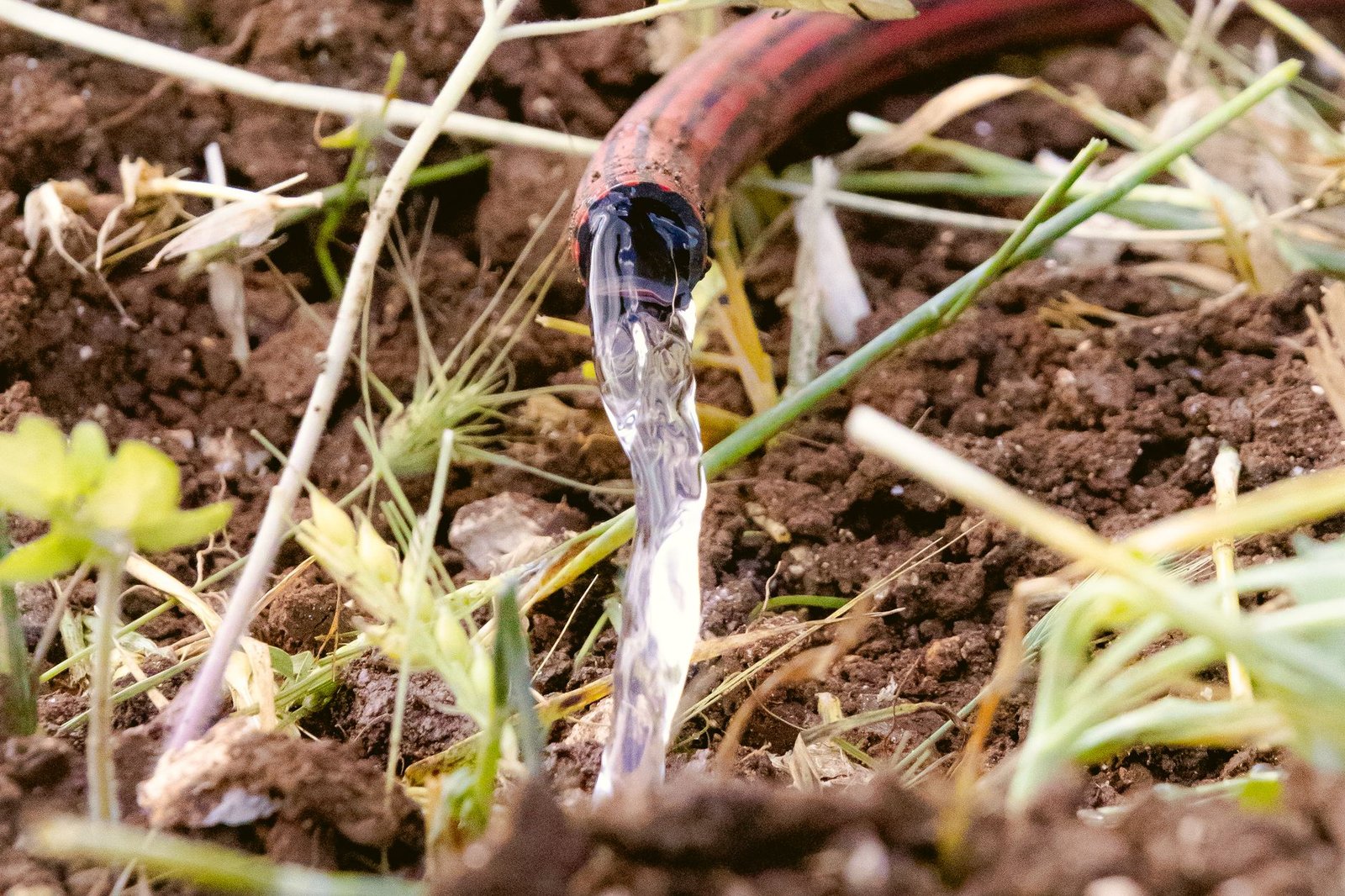
When planning or upgrading a garden in 2026, the choice between drip irrigation and soaker hoses represents a fundamental decision for efficient water management. While both systems aim to deliver water directly to the plant root zone, minimizing waste compared to traditional overhead watering, neither can be declared universally superior. The optimal selection hinges entirely on the specific garden layout, plant requirements, local climate conditions, and the homeowner’s priorities regarding installation, cost, and maintenance.
Understanding Drip Irrigation in 2026
Drip irrigation is a precision watering method that employs a network of narrow tubes, emitters, and pressure regulators to deliver water slowly and directly to the soil surface or subsurface near plant roots. This targeted approach ensures minimal evaporation and runoff, making it an exceptionally efficient system.
2026 Innovations & Materials in Drip Systems
The landscape of drip irrigation has evolved significantly by 2026. Modern systems incorporate advanced features for enhanced performance and sustainability:
- Smart Controllers and AI Integration: Contemporary drip systems frequently integrate with smart home platforms, utilizing AI-driven algorithms to adjust watering schedules based on hyper-local weather forecasts, soil moisture levels (via smart sensors), and even specific plant species’ hydration needs.
- Recycled Polymer Tubing: A significant trend in 2026 is the widespread adoption of tubing manufactured from high-quality recycled polymers, enhancing sustainability without compromising durability. These materials are often fortified with UV inhibitors for extended outdoor lifespan.
- Self-Cleaning & Anti-Clogging Emitters: While clogging was historically a concern, 2026 emitters feature improved internal mechanisms and material coatings designed to resist mineral buildup and particle blockages, reducing maintenance frequency. Subsurface drip lines now commonly include root intrusion barriers.
- Modular and Expandable Designs: New systems are designed with modularity in mind, allowing for easier expansion, modification, and integration with other landscape elements as garden needs change.
Advantages of Modern Drip Irrigation
- Maximal Water Efficiency: Water is delivered directly to the root zone, significantly reducing evaporation, wind drift, and runoff. This is crucial for water conservation in drought-prone areas.
- Reduced Plant Disease: Foliage remains dry, mitigating the risk of fungal diseases and mildew that thrive in moist environments.
- Precise Nutrient Delivery (Fertigation): Soluble fertilizers can be mixed into the irrigation water, delivering nutrients directly to the plant roots with high efficiency.
- Weed Suppression: By watering only the desired plants, drip systems deprive weeds in surrounding areas of moisture, inhibiting their growth.
- Automation Potential: High compatibility with smart controllers allows for fully automated, hands-off watering schedules tailored to specific needs.
Disadvantages to Consider
- Higher Initial Investment: The complexity of components and advanced technology generally translates to a greater upfront cost compared to simpler systems.
- More Complex Installation: Planning and installation can be intricate, often requiring careful layout, pressure regulation, and emitter selection for optimal performance.
- Potential for Emitter Clogging: Although improved, mineral deposits or fine particles can still occasionally obstruct emitters, requiring periodic inspection and cleaning.
- Visual Impact: Exposed tubing can be aesthetically undesirable in some garden designs, though subsurface options mitigate this.
Soaker Hoses Reimagined for 2026
Soaker hoses are porous hoses that