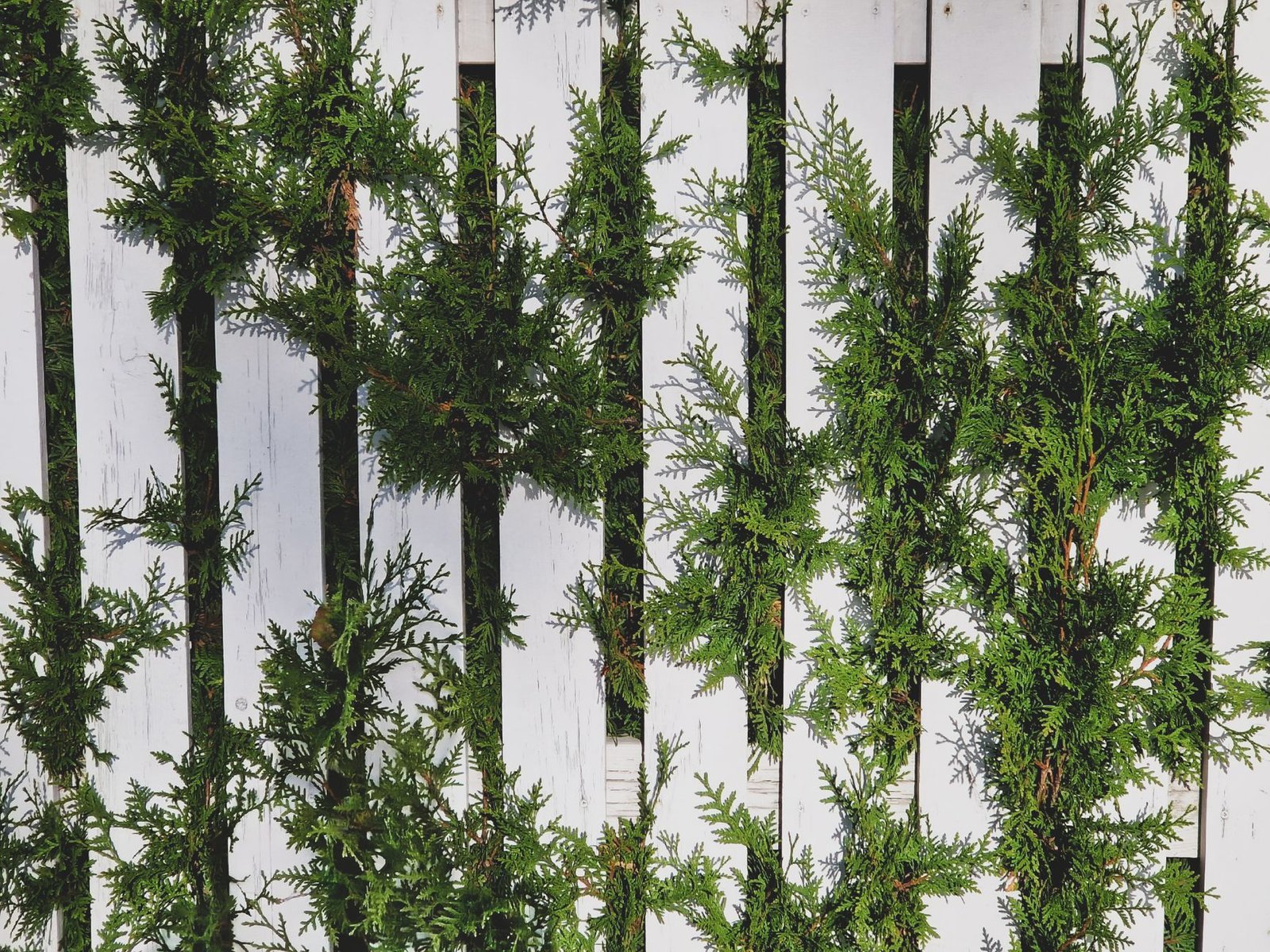
For homeowners seeking to establish immediate and effective seclusion, identifying the fastest growing privacy hedges for 2026 backyards is paramount. The top contenders for rapid screening include the Leyland Cypress, ‘Green Giant’ Arborvitae, and various clumping bamboo species, all offering robust growth rates and dense foliage ideal for creating natural barriers. This selection prioritizes not only speed but also resilience, maintenance considerations, and aesthetic integration into modern landscape designs.
Key Considerations for 2026 Privacy Hedging
As the landscape design industry evolves, several factors gain prominence for homeowners planning privacy hedges in 2026. The emphasis has shifted towards sustainable solutions, climate-resilient species, and the integration of smart horticultural technologies that simplify long-term care.
Sustainability and Eco-Friendly Choices
Modern landscaping favors species that contribute positively to the local ecosystem. This includes native plants where possible, or well-adapted non-natives that require minimal resources once established. The focus is on reducing water consumption, supporting local wildlife, and minimizing the need for chemical treatments. Many fast-growing options now come with improved disease resistance, further enhancing their ecological footprint.
Climate Resilience and Adaptability
With increasingly unpredictable weather patterns, selecting plants tolerant to a wider range of conditions—from drought to occasional frost—is crucial. Horticultural advancements in cultivar development mean many popular hedging plants are now bred for enhanced hardiness, making them suitable for diverse USDA zones. Homeowners are increasingly seeking options that can withstand both extreme heat and colder snaps without significant stress.
Modern Material Developments and Smart Technologies
The year 2026 sees continued integration of smart home technologies into garden design. Automated irrigation systems, featuring AI-driven moisture sensors and weather-responsive scheduling, optimize water delivery, ensuring hedges thrive while conserving resources. Permeable edging materials are also gaining traction, designed to manage water flow and prevent root encroachment while promoting healthy soil aeration. For more immediate, structural privacy, modular green wall systems and pre-grown hedge panels offer quick establishment with a contemporary aesthetic.
Top Fastest Growing Privacy Hedges for 2026
Choosing the right species for a privacy hedge involves balancing growth speed with density, eventual size, and care requirements. The following options consistently perform well for rapid privacy in diverse climates.
- Leyland Cypress (Cupressocyparis leylandii): Renowned for its exceptionally fast growth, often 3-5 feet per year, reaching 50-70 feet tall if untrimmed. It forms a dense, evergreen screen and is suitable for USDA Zones 6-10. Regular pruning is necessary to maintain desired height and shape.
- ‘Green Giant’ Arborvitae (Thuja ‘Green Giant’): This vigorous, conical evergreen grows 3-5 feet annually, reaching 30-40 feet tall. It is highly adaptable to various soil types and resistant to many common pests and diseases. ‘Green Giant’ is ideal for a solid, uniform hedge and thrives in USDA Zones 5-9.
- Nellie R. Stevens Holly (Ilex x ‘Nellie R. Stevens’): A fast-growing broadleaf evergreen that adds year-round interest with its glossy green leaves and abundant red berries. It grows 2-3 feet per year, reaching 15-25 feet tall and 8-12 feet wide. This holly is excellent for a dense screen and is suitable for USDA Zones 6-9.
- Wax Myrtle (Myrica cerifera): A semi-evergreen to evergreen shrub or small tree, particularly popular in warmer climates (USDA Zones 7-11). It can grow 2-3 feet per year, reaching 10-20 feet tall and wide. Its fragrant foliage and salt tolerance make it a robust choice for coastal areas and tough conditions.
- Cherry Laurel (Prunus laurocerasus): Varieties like ‘Schipkaensis’ or ‘Otto Luyken’ offer fast growth, typically 1-2 feet annually, and dense, dark green foliage. They can reach 10-15 feet tall and wide, forming a solid evergreen screen. Suitable for USDA Zones 6-9, they require well-drained soil.
- Clumping Bamboo (Fargesia species): For a truly modern and exceptionally fast-growing screen, clumping bamboo varieties like Fargesia robusta or Fargesia murielae are excellent. Unlike invasive running bamboos, these spread slowly from the root ball. They can grow several feet in a season, quickly forming a dense, elegant screen, depending on the species and conditions. They are generally suitable for USDA Zones 5-9, with variations per species. The resident must ensure to select only clumping varieties.
Establishing and Maintaining Your Privacy Hedge
Successful hedge establishment and longevity depend on proper planting and consistent care, especially during the initial years.
Site Preparation and Planting Techniques
Adequate soil preparation is crucial. This involves amending heavy clay or sandy soils with organic matter like compost to improve drainage, fertility, and water retention. Proper spacing, as recommended for each species, is vital to ensure sufficient air circulation and light penetration, which helps prevent disease. Deep and thorough watering immediately after planting helps settle the soil around the roots.
Watering and Fertilization Strategies
Consistent moisture is critical for young hedges. Automated drip irrigation systems, integrated with smart sensors, are highly recommended in 2026 for precise water delivery directly to the root zone, minimizing waste. Once established, many hedges become more drought-tolerant. A balanced slow-release fertilizer applied in spring can support vigorous growth, but soil testing should inform specific nutrient needs to avoid over-fertilization.
Pruning for Density and Health
Regular pruning is essential for creating a dense, formal hedge. The first pruning should often occur within a year of planting to encourage lateral branching. Subsequent pruning, typically 1-2 times per year depending on the species’ growth rate, helps maintain the desired shape and size. Shearing the hedge slightly wider at the base than at the top allows sunlight to reach lower branches, promoting uniform density. For clumping bamboo, occasional thinning of older culms encourages new, robust growth.
Pest and Disease Management
Integrated Pest Management (IPM) practices are the preferred approach for 2026. This involves regular monitoring for signs of stress, pests, or disease. Early intervention using natural predators, organic treatments, or horticultural oils can often prevent outbreaks from becoming severe. Selecting disease-resistant cultivars further reduces the need for interventions, contributing to a healthier environment for the hedge and the surrounding landscape.
Conclusion
Creating an effective and beautiful privacy hedge for a 2026 backyard is an achievable goal with the right plant selection and care. By focusing on fast-growing, climate-resilient species and leveraging modern horticultural advancements, homeowners can quickly establish a natural, living barrier that enhances both aesthetic appeal and domestic comfort. Thoughtful planning, consistent maintenance, and an informed choice of species ensure a thriving privacy screen for many years, transforming outdoor spaces into serene and secluded retreats.