
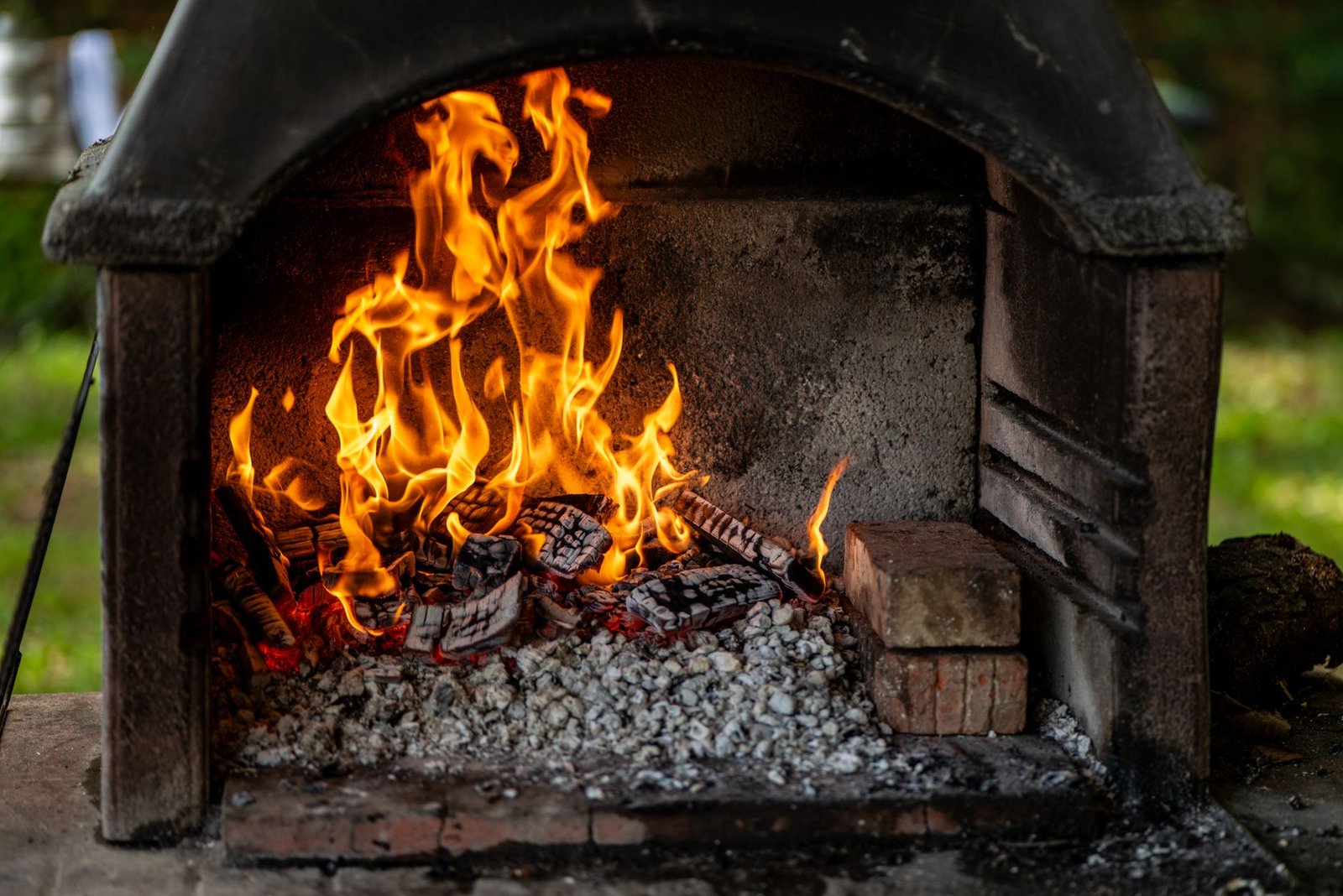
When considering an outdoor fire feature, a primary concern for the homeowner is often the level of ongoing maintenance required. In 2026, comparing gas fire pits with their wood-burning counterparts reveals a clear distinction: gas fire pits generally offer significantly easier maintenance due to minimal cleaning demands and simpler fuel management. This assessment helps residents choose the most convenient option for their specific outdoor space, taking into account modern material developments and industry trends.
Gas Fire Pits: The Convenience Quotient
Gas fire pits are lauded for their straightforward operation and minimal upkeep, making them a top choice for residents prioritizing convenience in 2026. The absence of traditional combustion byproducts vastly simplifies post-use procedures.
Minimal Cleaning Requirements
The cleaning routine for a gas fire pit is remarkably light compared to wood-burning alternatives. There is:
- No ash or soot accumulation: This eliminates the most tedious aspect of fire pit cleanup.
- Occasional burner component inspection: The user primarily needs to ensure burner ports are clear of debris, a quick visual check.
- Surface wiping: The fire pit’s exterior, often made from durable materials like ultralight concrete composites or weather-resistant ceramics, requires only periodic wiping to remove dust or environmental grime.
- Drainage system checks: Modern designs often incorporate efficient drainage, which occasionally needs to be cleared to prevent water pooling.
The overall effort is typically measured in minutes per use, or a more thorough clean a few times a season.
Effortless Fuel Management
Fuel management for gas fire pits is a key differentiator in terms of ease.
- Natural Gas (NG): For units connected to a natural gas line, fuel supply is continuous and virtually unlimited, requiring no physical handling by the resident.
- Propane (LP): While propane tanks require refills or exchanges, 2026 models frequently feature integrated storage compartments that hide the tank and include visible fuel level indicators, streamlining monitoring. Smart home integration also allows for remote fuel level checks on some advanced systems.
- No wood preparation: The labor-intensive tasks of sourcing, cutting, splitting, seasoning, and stacking wood are completely eliminated.
Operation involves a simple ignition switch, often integrated with remote controls or smart home systems, providing instant ambiance without any pre-planning.
Modern Material Developments (2026)
Contemporary gas fire pits benefit from cutting-edge materials that enhance both aesthetics and durability while reducing maintenance:
- Durable, low-maintenance finishes: Advances in composite materials, high-performance ceramics, and marine-grade stainless steel mean surfaces resist weathering, fading, and corrosion with minimal intervention.
- Integrated protective covers: Many 2026 models come with custom-fit, aesthetic covers that not only protect the fire pit when not in use but also blend seamlessly with the design, often serving as a tabletop.
- Improved burner technology: Enhanced burner designs maximize efficiency and heat output, requiring less gas for the desired flame, and are built to resist corrosion and wear, ensuring long-term reliability.
Wood-Burning Fire Pits: Traditional Appeal, Modern Considerations
Wood-burning fire pits offer an undeniable rustic charm and the sensory experience of a crackling fire, yet this comes with a significantly higher maintenance commitment, even with 2026’s advancements.
Significant Cleaning Demands
The maintenance inherent to wood combustion is a substantial factor for the homeowner to consider.
- Regular ash removal: After each use, cooling ashes must be carefully scooped out and properly disposed of. This can be a dusty, time-consuming task.
- Soot buildup: Interior surfaces, grates, and spark screens accumulate soot and creosote, which requires periodic scrubbing to prevent excessive residue and maintain appearance.
- Impact on surrounding areas: Embers and ash can drift, potentially staining or soiling nearby patio surfaces, requiring additional cleanup of the surrounding hardscaping or decking.
This active cleaning process is an integral part of owning a wood-burning fire pit.
Active Fuel Management
Managing fuel for a wood-burning fire pit is a multi-step process that requires planning and physical effort.
- Sourcing and storage: Wood needs to be acquired (purchased, split, or harvested) and stored in a dry, well-ventilated location to season properly. This often requires dedicated storage solutions.
- Preparation for use: Building a fire involves selecting appropriate kindling, firestarters, and logs, then arranging them for optimal combustion.
- Ongoing monitoring: The resident must actively monitor the fire, adding logs as needed to maintain heat and flame.
- Ash disposal: Proper disposal of cooled ashes is crucial, often requiring a dedicated metal container and specific waste management practices.
This hands-on approach is part of the wood-burning experience but adds considerable effort.
Evolving Designs and Maintenance Aids (2026)
While fundamentally more maintenance-intensive, wood-burning fire pits have seen innovations aimed at simplifying some aspects of their care:
- Improved ash pan designs: Some contemporary models feature removable ash pans or integrated ash catchers, making disposal somewhat cleaner and more efficient.
- High-temperature coatings: New ceramic or enamel coatings on the fire pit’s interior can make soot and creosote removal slightly easier, though manual scrubbing remains necessary.
- Robust construction materials: Materials like thick-gauge corten steel or heavy-duty stainless steel are used to increase longevity and withstand the intense heat cycles, reducing concerns about rust and structural integrity. Corten steel’s intentional patina requires little to no maintenance.
- Integrated weather protection: Built-in or custom-fit covers for wood-burning units are becoming standard, protecting the interior from rain and debris, which can otherwise complicate future use and cleaning.
Beyond Routine: Long-Term Maintenance and Safety
Beyond daily or weekly tasks, the long-term care and safety considerations also distinguish gas from wood-burning fire pits.
Durability and Longevity
- Gas Fire Pits: The primary long-term concerns for gas units revolve around the integrity of the gas lines, burner components, and ignition systems. These components are generally less exposed to corrosive elements like ash and extreme thermal cycling, contributing to a longer lifespan with proper installation and occasional professional checks.
- Wood-Burning Fire Pits: These units endure significant thermal stress from repeated heating and cooling, which can lead to metal fatigue over time. Rust is a common issue, especially if left exposed to moisture. Regular inspection for cracks or deterioration of the fire pit’s body is crucial for safety and longevity.
Safety and Operational Oversight
- Gas Fire Pits: Safety primarily involves ensuring gas connections are secure and leak-free. Professional inspection of gas lines and valves is recommended periodically. Automatic shut-off features are common in 2026 models, enhancing user safety.
- Wood-Burning Fire Pits: Safety requires constant vigilance. Managing live embers, preventing sparks from escaping (via spark screens), and ensuring the fire is completely extinguished before leaving are critical. The risk of accidental fires is inherently higher, necessitating strict adherence to clearance requirements and local fire regulations.
The Verdict on Ease of Maintenance for 2026
For residents prioritizing minimal effort and maximum convenience, the gas fire pit is undeniably the easier option to maintain in 2026. Its effortless ignition, lack of ash and soot cleanup, and simplified fuel management—especially for natural gas connections—make it a low-hassle choice for outdoor living.
Conversely, wood-burning fire pits appeal to those who value the traditional ritual and sensory experience and are prepared to engage actively with the necessary cleaning, fuel sourcing, and fire tending. While 2026 brings some innovations to wood-burning units that streamline aspects of their care, they do not fundamentally alter the hands-on nature of their maintenance.
Ultimately, the choice hinges on the homeowner’s lifestyle, willingness to invest time in upkeep, and the desired outdoor ambiance. Both types offer compelling benefits, but for sheer ease of maintenance, gas fire pits lead the way in modern outdoor design.