
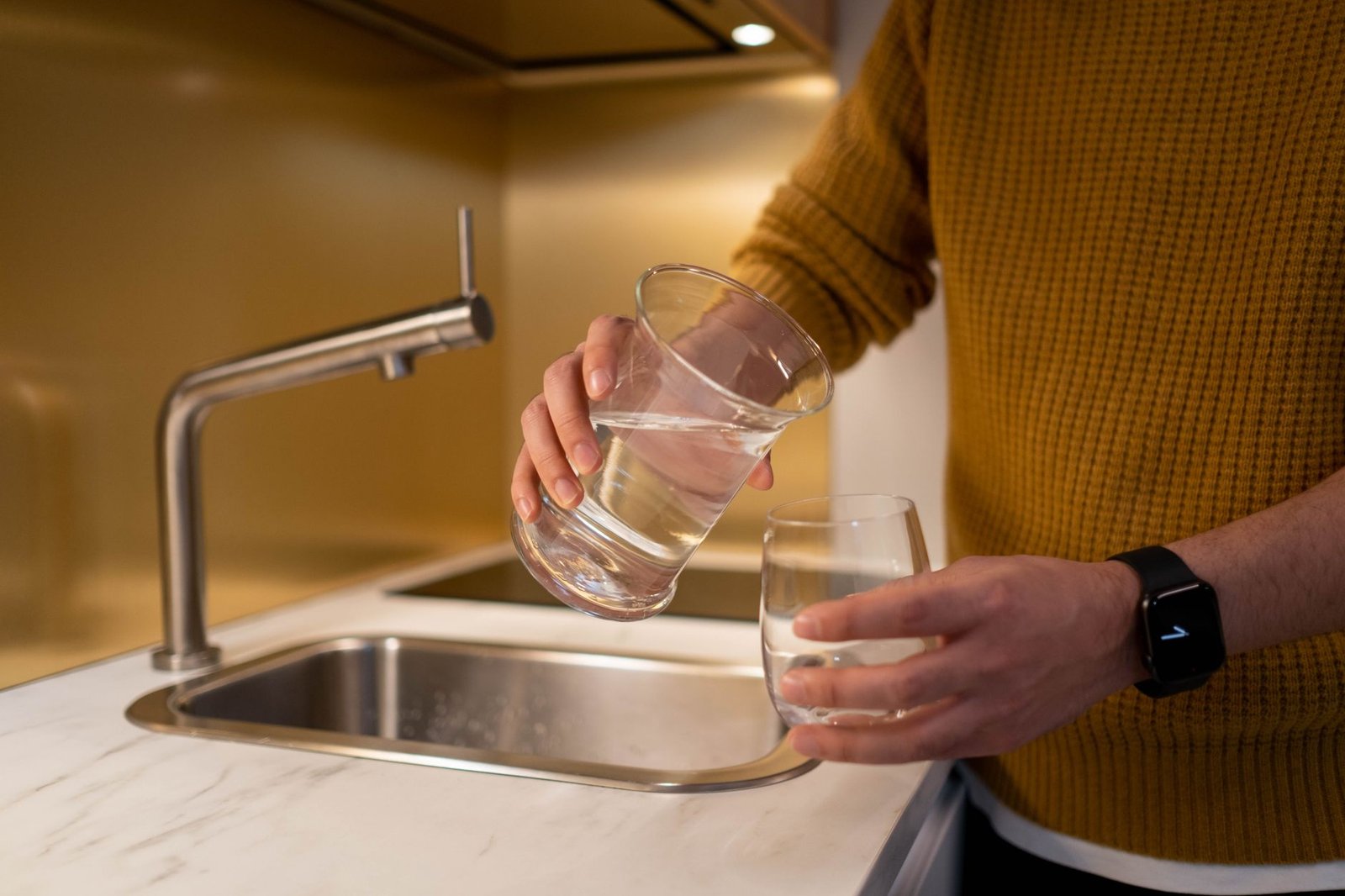
In 2026, the comprehensive cost for purchasing and professionally installing a whole-home water filtration system typically ranges from $800 to $4,500. This investment covers both the equipment and the labor for standard installations, with more advanced or specialized setups potentially extending beyond $6,000. Understanding the various factors contributing to this expense is crucial for any homeowner considering this significant upgrade to their domestic environment.
A whole-home water filtration system provides numerous benefits, from improving the taste and safety of drinking water to extending the lifespan of plumbing and appliances by reducing mineral buildup and corrosion. As an essential component of modern home wellness and comfort, these systems are becoming increasingly sophisticated, incorporating advanced filtration technologies and smart features relevant to the 2026 market.
Understanding Whole-Home Water Filtration Systems in 2026
The landscape of whole-home water filtration in 2026 offers a diverse array of technologies, each designed to address specific water quality concerns. The selection of a system directly impacts the overall cost.
Types of Systems and 2026 Trends:
- Sediment Filters: These serve as a crucial first stage, removing larger particles like sand, silt, and rust. Modern sediment filters in 2026 often utilize advanced composite materials for enhanced durability and finer micron ratings.
- Carbon Filters (Activated Carbon/Carbon Block): Widely used for chlorine, chloramine, volatile organic compounds (VOCs), and improving taste and odor. Catalytic carbon, a more advanced form, is gaining prominence for its effectiveness against chloramines, which are increasingly common in municipal water supplies.
- Water Softeners (Ion Exchange): Essential in hard water regions, these systems remove minerals like calcium and magnesium, preventing scale buildup. Smart softeners, with app-based monitoring and predictive salt usage, are a growing trend in 2026.
- Reverse Osmosis (RO) Systems: While often point-of-use, whole-home RO systems are available for comprehensive purification, albeit at a higher cost due to their complexity and water waste. Advances in low-waste RO membranes are a key development for 2026.
- UV Purifiers: These systems use ultraviolet light to neutralize bacteria, viruses, and other microorganisms, providing an extra layer of protection, particularly for well water or in areas with boil advisories. Energy-efficient UV-LED technology is a notable trend.
- Specialized Media Filters: Designed to target specific contaminants like iron, manganese, heavy metals (e.g., lead, copper), fluoride, or emerging contaminants such as PFAS (per- and polyfluoroalkyl substances) and microplastics. The development of advanced, adsorbent polymers and bio-degradable media for these specific challenges is a significant 2026 industry focus.
Material developments in 2026 include the wider adoption of sustainable, long-lasting filter media and robust, corrosion-resistant housing materials, such as advanced engineered polymers and stainless steel alloys, designed for extended performance and minimal environmental impact.
Core Cost Components of a Whole-Home Water Filter Installation
The total cost is primarily divided into equipment expenses and professional installation labor. Other factors, such as pre-installation testing and potential plumbing modifications, can also influence the final investment.
Equipment Costs (2026 Pricing Estimates):
The price of the filtration unit itself varies significantly based on its type, capacity, brand, and included features.
- Basic Sediment/Carbon Systems: For fundamental filtration against common contaminants, systems typically range from $300 to $800. These are often single-stage or dual-stage units.
- Mid-Range Multi-Stage Systems: A combination of sediment, activated carbon, and possibly a specialized media filter (e.g., for chloramines or iron), or a compact softener/filter combo, generally falls between $800 and $2,500.
- Advanced & Specialized Systems: High-capacity systems, those incorporating UV purification, whole-home RO, or targeting multiple complex contaminants with smart features and premium media, can cost anywhere from $2,500 to over $5,000. Systems with advanced IoT capabilities for remote monitoring and predictive maintenance are at the higher end.
Factors influencing equipment cost include brand reputation, certifications (e.g., NSF International), warranty length, and the integration of smart home features like flow meters, leak detection, and app-controlled monitoring. The focus in 2026 is on modular designs that allow for easier upgrades and maintenance.
Professional Installation Labor Costs:
Installation by a qualified plumber is highly recommended to ensure proper function and adherence to local codes. Labor costs are typically influenced by regional rates and the complexity of the installation.
- Hourly Rates: Professional plumbers and installers in 2026 typically charge between $75 and $150 per hour.
- Total Labor: A standard installation, which includes cutting into the main water line, installing the filter, bypass valves, and ensuring proper sealing, usually takes 3 to 8 hours. This translates to a labor cost of approximately $225 to $1,200.
Factors affecting labor costs:
- Existing Plumbing: If significant modifications are needed to the existing plumbing (e.g., relocating the main water line, upgrading pipe sizes), labor costs will increase.
- Installation Location: Accessibility of the main water line (e.g., in a cramped crawl space versus an open basement) can impact installation time.
- System Complexity: Multi-stage systems, those requiring electrical connections for UV lamps or smart features, or backwashing filters needing drain connections, will involve more intricate installation.
- Permit Requirements: Some municipalities may require permits for major plumbing alterations, adding a nominal fee and potential inspection costs (typically $50-$200).
Additional Costs and Considerations:
- Water Quality Testing: A professional pre-installation water test ($50-$300) is highly recommended to accurately identify contaminants and select the most effective filtration system.
- Plumbing Modifications: In some older homes, existing pipes may need upgrading or additional bypass valves installed, potentially adding several hundred dollars to the total.
- Disposal Fees: If an old system is being removed, there might be a small fee for proper disposal.
- Sales Tax: Applicable to equipment purchases based on regional regulations.
Ongoing Maintenance and Operational Expenses
The investment in a whole-home water filter extends beyond initial purchase and installation. Regular maintenance is crucial for optimal performance and includes filter replacements and potential professional servicing.
Filter Replacement Costs (Annual Estimates):
- Sediment Pre-filters: Generally replaced every 3-6 months, costing $20-$50 per filter. Many 2026 models feature quick-change cartridges.
- Carbon Filters: Depending on capacity and water usage, these are replaced every 6-12 months, costing $50-$200. Long-life carbon block media are becoming more prevalent.
- Specialty Media: Replacement frequency and cost vary widely. Some specialized media may last 2-5 years, with costs ranging from $100 to $500+ depending on the contaminant it addresses.
- UV Lamps: Typically replaced annually to maintain germicidal effectiveness, costing $70-$150.
- RO Membranes: The most durable component in an RO system, usually replaced every 2-5 years, at a cost of $100-$300.
- Water Softener Salt: If a water softener is part of the system, salt replenishment is a regular expense, typically $10-$20 per bag, required monthly or bi-monthly depending on water hardness and usage.
2026 Maintenance Trends: Manufacturers are increasingly focusing on user-friendly designs with tool-free filter changes and subscription services for automatic filter delivery. Smart systems often provide real-time filter life monitoring and alerts, simplifying maintenance for the homeowner.
Energy Consumption and Professional Servicing:
- Energy Use: While generally low, systems with UV purifiers, smart monitoring, or RO pumps will consume a small amount of electricity, adding minimally to utility bills.
- Professional Check-ups: An annual professional inspection ($100-$300) can ensure the system operates efficiently, confirm water quality, and address any potential issues before they become major problems.
Factors Influencing Total Cost
Several variables collectively determine the final investment for a whole-home water filtration system:
- System Type and Capacity: More comprehensive filtration (e.g., multi-stage, RO, specialized media) and higher flow rates or gallon capacities will inherently be more expensive.
- Installation Complexity: Homes with complex plumbing layouts, limited space, or the need for significant modifications will incur higher labor costs.
- Regional Labor Rates: Plumbing and installation services vary in price geographically.
- Water Quality Challenges: Highly contaminated water or specific, hard-to-remove contaminants (like certain heavy metals or chemical compounds) necessitate more advanced and thus more costly filtration solutions.
- Brand and Warranty: Reputable brands often come with a higher initial price but typically offer better warranties and customer support.
- Smart Features and Integration: Systems with advanced IoT capabilities, remote monitoring, and integration with existing smart home ecosystems will be at a premium.
Conclusion
Investing in a whole-home water filtration system in 2026 is a commitment to enhanced home wellness and comfort. While the initial investment can range from approximately $800 to over $6,000, including equipment and professional installation, the long-term benefits often far outweigh the costs. These benefits include improved health for residents, protection for expensive appliances, and the assurance of clean, palatable water throughout the entire dwelling.
For the homeowner, a thorough understanding of current water quality through professional testing is the foundational step. Consulting with a certified professional is highly recommended to assess specific needs, navigate the array of available technologies, and obtain accurate quotes tailored to the resident’s specific property and water challenges. This ensures the selection of an optimal system that delivers both efficacy and value in the years to come.