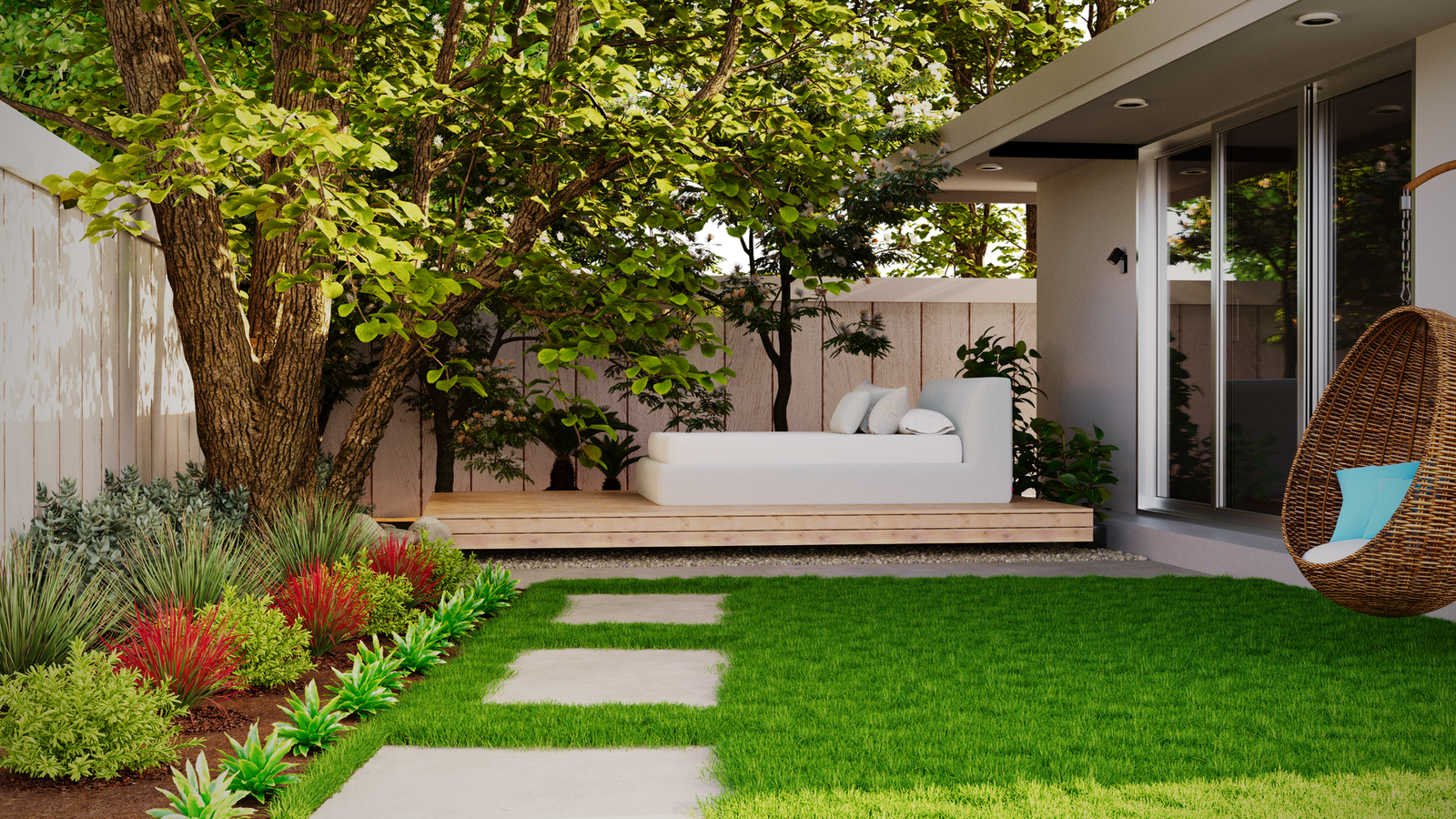
In 2026, the cost of a professional landscaping project can range significantly, typically from $5,000 for minor enhancements to over $75,000 for extensive, full-property transformations. These figures are heavily influenced by the project’s scope, geographic location, chosen materials, and the specific services required. This article provides a comprehensive breakdown of the typical expenses associated with various professional landscaping services, from initial design to final installation, alongside an exploration of the factors shaping pricing in the current year. Understanding these variables is crucial for any homeowner planning to invest in their outdoor environment.
Understanding Core Landscaping Cost Factors in 2026
Several key elements dictate the final expenditure for a professional landscaping endeavor. Awareness of these factors allows a homeowner to better budget and prioritize aspects of a project.
Project Scope and Complexity
The scale of the landscaping project is arguably the most significant cost driver. A simple refresh involving new plantings or minor hardscape repairs will naturally incur lower costs than a complete overhaul. Extensive projects often include grading, drainage solutions, multiple hardscaping elements, and diverse planting schemes across various zones of a property. Multi-phase projects can also be more manageable financially, allowing the resident to spread costs over time, though initial planning remains crucial for cohesion.
Geographic Location
Regional economic conditions heavily impact landscaping costs. Labor rates vary considerably across different states, cities, and even specific neighborhoods. Areas with higher costs of living generally command higher wages for skilled landscape architects and installers. Furthermore, the availability and transportation costs of specific materials, such as locally sourced stone or specialized plant species, can fluctuate based on the property’s location relative to suppliers.
Material Selection and Modern Trends
The choice of materials is a critical determinant of cost. Basic concrete pavers are less expensive than natural stone or advanced permeable pavers. Similarly, standard shrubs differ greatly in price from mature specimen trees or exotic, hard-to-find plant varieties. In 2026, material selection is increasingly influenced by sustainability and technological advancements. There is a growing demand for eco-friendly paving options, such as recycled concrete aggregates or permeable surfaces that manage stormwater effectively. Durable, sustainable wood alternatives, like advanced composite decking, continue to evolve, offering extended lifespans and reduced maintenance compared to traditional timber. The integration of native and drought-tolerant plant species is another significant trend, impacting not only initial planting costs but also long-term water usage and maintenance expenses. AI-driven design tools are also becoming more prevalent, optimizing material usage and potentially reducing waste, which can lead to cost efficiencies in the planning phase.
Breakdown of Professional Landscaping Services and Their Costs
Professional landscaping encompasses a broad spectrum of services, each contributing to the overall project expense. Understanding the individual cost components provides clarity for budgeting.
Initial Consultation and Design
Most professional landscaping projects begin with a consultation and design phase. This can range from a few hundred dollars for a basic conceptual sketch to several thousands for comprehensive master plans, including detailed blueprints, planting schedules, and material specifications. In 2026, many firms leverage 3D modeling and virtual reality (VR) walkthroughs to help the homeowner visualize the final outcome, a service that often adds value but can also increase design fees. A typical design fee might range from $500 to $5,000+, depending on the complexity of the property and the desired level of detail.
Hardscaping Services
Hardscaping involves the installation of non-living elements such as patios, walkways, retaining walls, fire pits, and outdoor kitchens. Costs are highly dependent on the material chosen and the intricacy of the installation. For patios and walkways, costs can range from $15 to $60 per square foot for concrete or basic pavers, escalating to $50 to $150 per square foot or more for natural stone, intricate patterns, or permeable systems. Retaining walls can cost $50 to $150+ per linear foot, based on height, material, and required structural integrity. The use of durable engineered stone and advanced concrete products ensures longevity and aesthetic appeal for modern outdoor living spaces.
Softscaping Services
Softscaping focuses on the living elements of the landscape, including soil preparation, planting trees, shrubs, perennial beds, and lawn installation. The cost of plants varies significantly by species, size, and maturity. Homeowners opting for mature trees can expect higher prices than for young saplings. Lawn installation, whether via sod, hydroseeding, or establishing native wildflower meadows, typically ranges from $0.50 to $2.00+ per square foot, including soil amendments. The trend in 2026 emphasizes native and drought-tolerant species, which, while sometimes having a slightly higher upfront cost for specialized plants, offer considerable savings in water and maintenance long-term.
Irrigation and Lighting Systems
Modern landscaping projects often integrate advanced irrigation and lighting. Smart irrigation systems, featuring weather sensors, soil moisture detectors, and app-based controls, are becoming a standard offering. These systems optimize water usage, reducing utility bills and promoting plant health. Installation costs for a comprehensive system can range from $2,000 to $10,000+. Low-voltage LED lighting systems, chosen for their energy efficiency and aesthetic appeal, enhance safety and ambiance. Advanced smart controls allow for customizable lighting zones and schedules, with installation costs typically between $1,500 and $7,000+.
Specialty Features
Custom elements such as water features (ponds, fountains), pergolas, gazebos, custom outdoor kitchens, and built-in seating areas significantly elevate project costs due to their bespoke nature and labor intensity. An elaborate water feature might cost $3,000 to $15,000+, while a fully equipped outdoor kitchen can exceed $20,000. These features are often central to creating integrated outdoor living spaces, a prominent desire among homeowners in 2026.
Industry Trends and Future Considerations for 2026
The landscaping industry is continuously evolving, with certain trends becoming mainstream and impacting project pricing and value.
Sustainability and Eco-Consciousness
The demand for sustainable landscaping practices is stronger than ever. This includes xeriscaping, rainwater harvesting systems, and the predominant use of native plants to support local ecosystems and conserve water. Homeowners are increasingly willing to invest in permeable hardscapes and eco-friendly materials, even if the initial outlay is higher, recognizing the long-term benefits to the environment and reduced maintenance. Landscape architects are incorporating sustainable design principles as a fundamental aspect of their proposals, influencing both material selection and project execution.
Technology Integration
Technology continues to revolutionize outdoor spaces. Smart home integration now extends seamlessly to irrigation, lighting, outdoor audio-visual systems, and even security. Robotic lawn care is seeing advancements, with more sophisticated autonomous mowers capable of handling complex terrains and integrating with smart home ecosystems. Augmented reality and virtual reality tools are becoming standard for design visualization, allowing homeowners to experience their proposed landscape before construction begins, fostering better communication and potentially reducing design revisions.
Material Innovations
Material science is bringing new products to the forefront. Advanced composites for decking and fencing offer enhanced durability, reduced environmental impact, and a wider range of aesthetics. Permeable pavers are evolving with improved filtration and structural integrity. Research into self-healing concrete and smart materials that adapt to environmental conditions, while still in early stages for widespread adoption, points to future material developments that could impact longevity and maintenance. Recycled and upcycled materials are also gaining significant traction, aligning with sustainability goals and offering unique aesthetic possibilities.
The cost of a professional landscaping project in 2026 is a dynamic figure, shaped by numerous variables. While initial investments can be substantial, the long-term value in terms of property appreciation, enhanced outdoor living, and environmental benefits often justifies the expenditure. Homeowners are advised to clearly define their project’s scope, obtain detailed quotes from multiple reputable professionals, and consider the long-term implications of material and design choices. Investing in professional landscaping is an investment in the functionality, beauty, and sustainability of the outdoor living environment.