
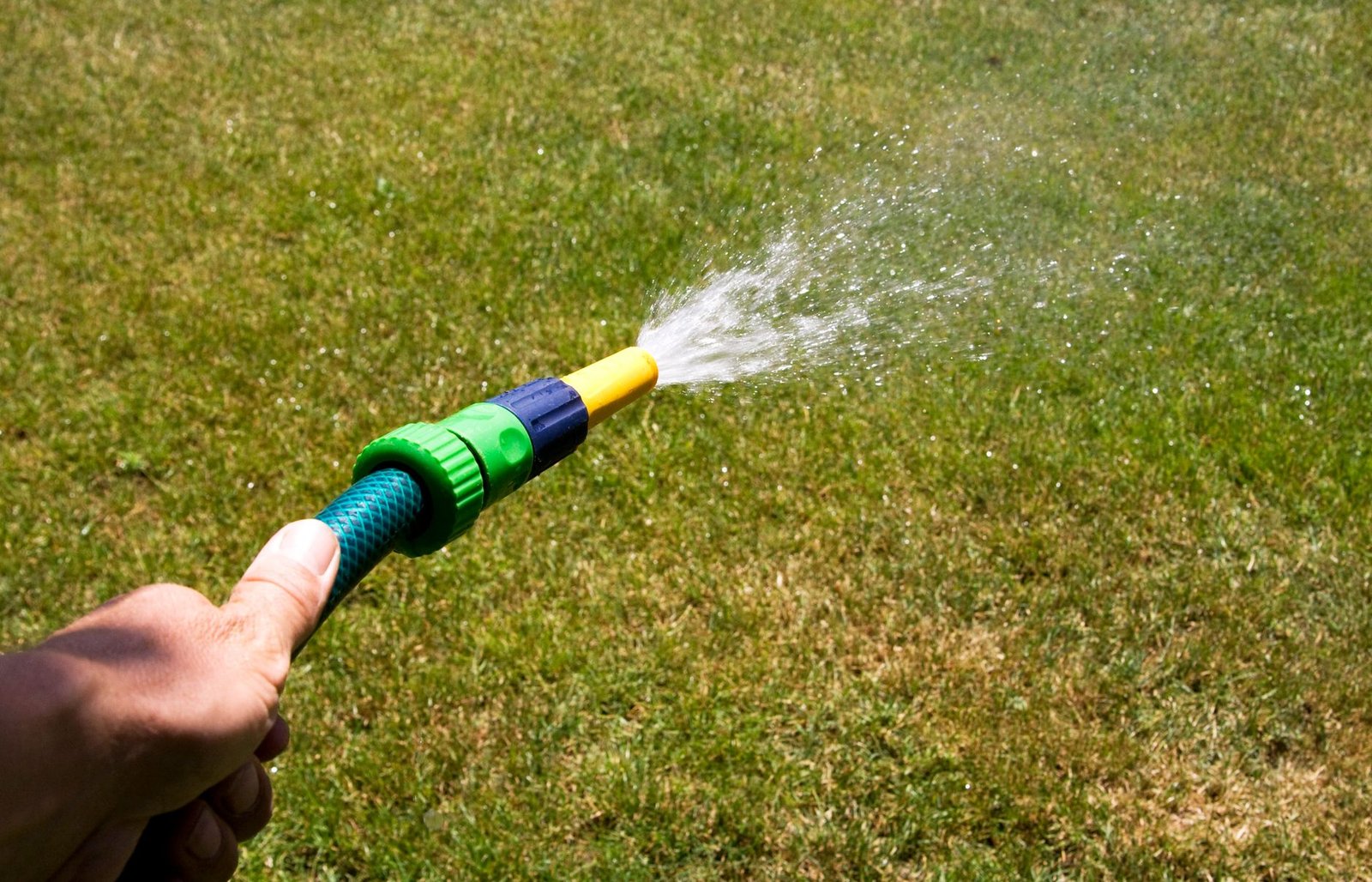
A lush, vibrant green lawn is often the cornerstone of domestic comfort and exterior aesthetics. However, the appearance of a yellowing lawn can quickly diminish this appeal, signaling underlying issues that require prompt attention. When grass begins to lose its characteristic emerald hue and takes on a sickly yellow or even brown tint, it indicates stress from a variety of potential causes, ranging from simple nutrient deficiencies to more complex pest infestations or environmental factors. Understanding these common culprits and implementing targeted solutions is crucial for restoring turf health, especially with the evolving landscape care practices of 2026.
Understanding the Basics: Why Lawns Turn Yellow
Before implementing any solutions, a foundational understanding of why a lawn might turn yellow is essential. The color of healthy grass is a direct result of chlorophyll production, which is vital for photosynthesis. Any factor that impedes this process can lead to discoloration.
Nutrient Deficiencies
One of the most frequent reasons for yellowing grass is a lack of essential nutrients in the soil. Nitrogen, in particular, is critical for vibrant green growth. Iron is another key micronutrient; a deficiency often results in chlorosis, where grass blades appear yellow while veins remain green.
- Nitrogen Deficiency: Often manifests as a uniform yellowing across older grass blades.
- Iron Deficiency: Typically seen as interveinal yellowing on newer growth.
- Other Deficiencies: Potassium and phosphorus are also vital for overall plant health, though their deficiency symptoms might be less immediately obvious as yellowing.
Watering Issues
Both under-watering and over-watering can stress turf and lead to yellowing.
- Under-watering: Causes grass to go dormant or dry out, leading to yellow or straw-like color. This is common during dry spells or if irrigation is insufficient.
- Over-watering: Can suffocate roots by displacing oxygen in the soil, leading to root rot and nutrient uptake impairment. This often results in a patchy yellowing and can encourage fungal diseases.
Pests and Diseases
Various pests and diseases can inflict significant damage, causing discoloration and overall decline.
- Insect Pests: Grubs, chinch bugs, sod webworms, and armyworms feed on grass roots or blades, disrupting nutrient flow and causing irregular yellow or brown patches. Early detection, often through visual inspection or soil sampling, is key.
- Fungal Diseases: Brown patch, dollar spot, and rust are common fungal infections that manifest as yellow, brown, or discolored spots, often spreading rapidly under specific environmental conditions (e.g., high humidity, excessive moisture).
Environmental Stress
External factors can also contribute to a lawn’s decline.
- Temperature Extremes: Prolonged heat or cold can cause certain grass types to yellow or go dormant.
- Chemical Exposure: Herbicide drift, gasoline spills, or improper fertilizer application can burn grass and lead to yellowing or death.
- Soil Compaction: Limits root growth and air/water penetration, leading to stressed, yellowed grass.
- Excessive Shade: Can weaken grass, making it sparse and yellow as it struggles for light.
Diagnosing the Problem: A Step-by-Step Approach
Accurate diagnosis is the foundation for effective treatment. A systematic approach helps pinpoint the exact cause of a yellowing lawn.
Visual Inspection
The first step involves a thorough visual examination of the affected areas.
- Observe Patterns: Is the yellowing uniform, patchy, or appearing in streaks? Uniform yellowing often points to nutrient deficiencies or broad environmental stress. Patches can indicate disease, pests, or localized watering issues. Streaks might suggest fertilizer burn or chemical spills.
- Examine Grass Blades: Look closely at individual blades. Are they dry and brittle (under-watering), slimy (over-watering/disease), or do they show signs of chewing (pests)? Note if the yellowing is concentrated on new or old growth, or if it’s interveinal.
- Check Soil Moisture: Insert a screwdriver or probe into the soil. If it penetrates easily and the soil feels moist, over-watering might be occurring. If it’s difficult to penetrate and the soil is dry, under-watering is likely.
Soil Testing with 2026 Innovations
For persistent or widespread yellowing, a professional soil test is invaluable. Modern soil testing services in 2026 often incorporate advanced analytics, providing highly detailed reports on nutrient levels, pH, and organic matter content. Some services even offer AI-driven recommendations based on local climate and grass type. Homeowners can utilize convenient at-home kits with QR code integration for instant digital results and tailored advice.
Irrigation System Assessment
With smart irrigation systems becoming standard, a system audit is simpler than ever. These systems, often equipped with soil moisture sensors and hyper-local weather data integration, can identify zones receiving too much or too little water. Manual inspection of sprinkler heads for clogs or misdirection is still important for ensuring even coverage.
Modern Solutions for 2026: Treatments & Preventative Care
Once the cause is identified, targeted solutions can be implemented, often leveraging 2026’s advanced lawn care technologies and sustainable practices.
Precision Nutrient Management
Based on soil test results, apply specific fertilizers. In 2026, slow-release granular fertilizers with advanced polymer coatings are common, providing a steady nutrient supply and minimizing leaching. For iron deficiency, liquid chelated iron supplements offer rapid green-up. Consider bio-stimulants and humic acid products to enhance nutrient uptake and soil biology.
Integrated Pest and Disease Control
For pests, 2026 emphasizes integrated pest management (IPM) strategies. This includes:
- Beneficial Nematodes: A biological control for grubs, increasingly favored over broad-spectrum pesticides.
- Targeted Biopesticides: Utilizing naturally occurring microorganisms to control specific pests.
- Smart Monitoring: AI-powered cameras or drone services can detect early signs of pest activity or disease, allowing for localized, minimal intervention.
For fungal diseases, preventative cultural practices (proper watering, aeration, dethatching) are paramount. When fungicides are necessary, newer, more environmentally friendly formulations are available, often applied preventatively based on predictive weather models.
Optimized Watering Strategies
Upgrade to or fully utilize smart irrigation systems. These systems adjust watering schedules automatically based on real-time weather data, soil moisture levels, and grass type, ensuring optimal hydration while conserving water. Early morning watering (between 4 AM and 8 AM) remains the best practice to allow grass to dry before nightfall, reducing disease risk.
Advanced Soil Amendments and Aeration
To combat soil compaction, core aeration is highly effective, improving air, water, and nutrient penetration. For heavy clay soils, consider incorporating gypsum or advanced compost blends to improve structure. Products containing beneficial microbes are also gaining popularity to enhance soil health and nutrient cycling.
Drought-Tolerant Varieties and Reseeding
For residents facing recurring drought conditions, overseeding with or transitioning to drought-tolerant grass varieties (e.g., specific fescues, Zoysia, Bermuda grass) can be a long-term solution. These new cultivars are increasingly resilient to water stress and require less maintenance, aligning with sustainable landscape trends of 2026.
Robotic Lawn Care Integration
Robotic mowers, now more common and sophisticated, offer consistent cutting, which can contribute to healthier turf by preventing excessive stress from infrequent, drastic cuts. Their mulching action also returns finely cut clippings to the lawn, recycling nutrients naturally.
Restoring a yellowing lawn requires observation, diagnosis, and a proactive approach. By understanding the common causes and leveraging the advanced tools and sustainable practices available in 2026, homeowners can effectively diagnose and treat grass problems, ensuring a vibrant, healthy lawn that enhances the home’s overall domestic comfort and curb appeal.