
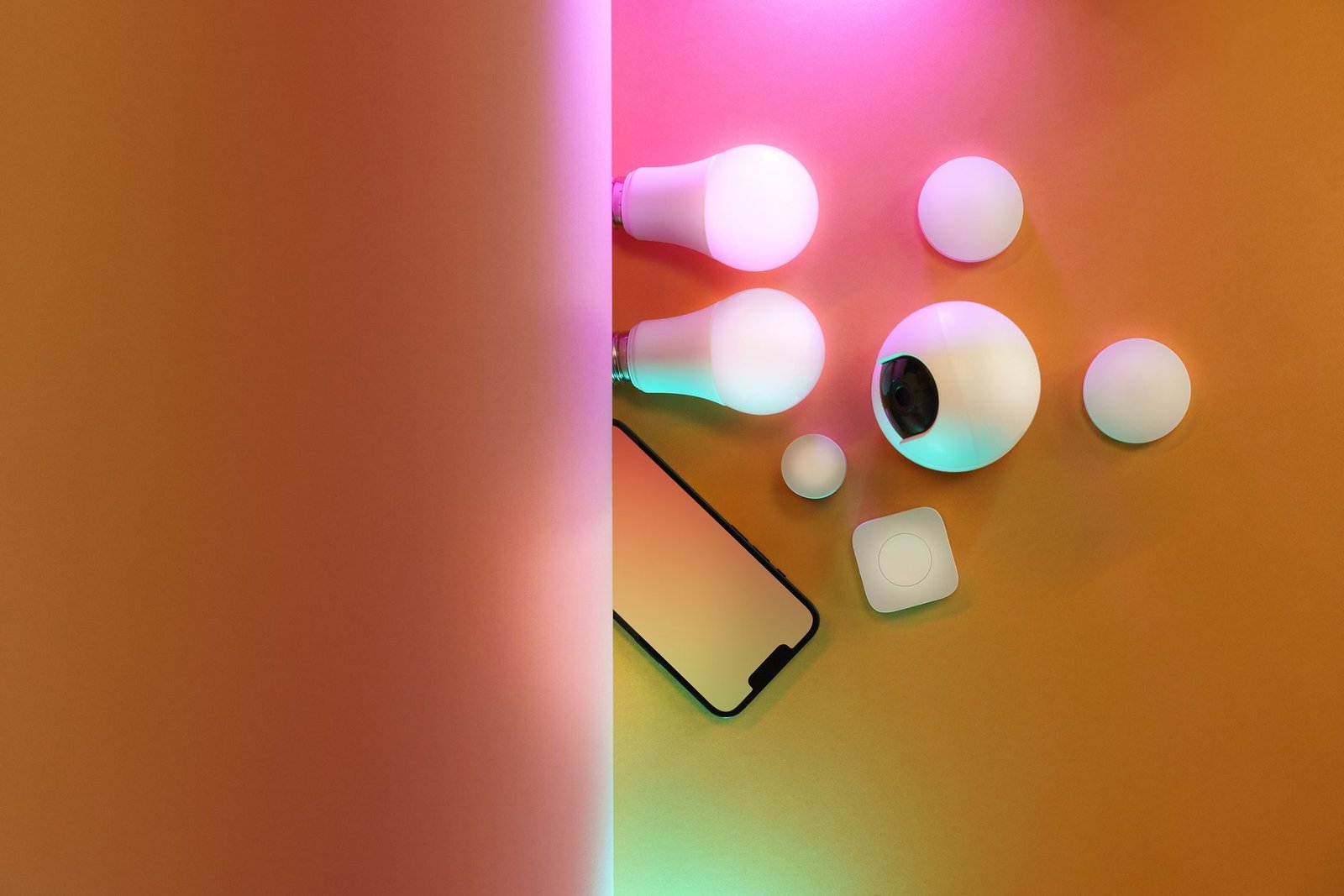
In 2026, the installation cost for a whole-home smart lighting system typically ranges from $2,500 to $15,000+, depending on the system’s complexity, chosen brand, and the overall scope of the project. This comprehensive range reflects solutions from basic wireless setups for smaller residences to advanced wired integrations across larger properties, often incorporating the latest in AI-driven automation, human-centric lighting, and highly sustainable LED technologies. Understanding the various components and labor involved is crucial for homeowners planning such an upgrade.
Understanding Smart Lighting Systems in 2026
Smart lighting systems in 2026 have evolved significantly beyond simple on/off control. Modern systems offer dynamic color capabilities, tunable white light for circadian rhythm support (human-centric lighting or HCL), sophisticated presence detection, and seamless integration with other smart home ecosystems such as HVAC, security, and entertainment. The market benefits from advancements in several key technological areas.
- Enhanced Interoperability: Protocols like Matter and Thread have become industry standards, ensuring greater compatibility between devices from different manufacturers, simplifying setup and expansion for the resident.
- Advanced LED Technologies: The latest generation of LEDs, including quantum dot and micro-LED variations, offer unprecedented energy efficiency, superior color accuracy, and extended lifespans, contributing to long-term savings.
- AI and Machine Learning: Predictive scheduling, self-learning algorithms that adapt to a homeowner’s routines, and real-time energy optimization are common features, enhancing both comfort and efficiency.
- Robust Networking: Self-healing mesh networks and compatibility with Wi-Fi 6E/7 ensure reliable communication across all lighting fixtures and control points.
- Sustainability Focus: Many 2026 systems incorporate modular, repairable components and are designed for a circular economy, minimizing environmental impact.
The benefits of these sophisticated systems include considerable energy savings, enhanced domestic comfort, improved security through integrated presence simulation, elevated aesthetic appeal, and a measurable increase in property value.
Key Factors Influencing Installation Costs
Several critical factors dictate the total investment required for a smart lighting system installation. Homeowners must consider each element when budgeting for their project.
System Type
- Wireless Systems: Utilizing protocols like Zigbee, Z-Wave, Wi-Fi, Matter, or Thread, these systems are generally less invasive to install and are suitable for retrofits. They tend to be more affordable in terms of initial hardware costs.
- Wired Systems: Protocols such as KNX, DALI, or proprietary systems like Lutron HomeWorks offer unparalleled reliability, scalability, and speed. However, they require extensive pre-wiring, making them more suitable for new construction or major renovations, and typically incur higher labor and material costs.
Fixture Count and Type
The sheer number of smart bulbs, light strips, and dedicated smart fixtures significantly impacts the material cost. Specialized fixtures, such as recessed lighting, track lighting, architectural lighting, or integrated landscape lighting, often come with a higher price tag due to their design, technology, and installation complexity.
Control Mechanisms
The chosen control methods also influence cost. Simple mobile app control or voice assistant integration might be budget-friendly, while custom-engraved keypads, advanced touchscreen controllers, or sophisticated occupancy and daylight harvesting sensors add to the expense. The number of dimmers, switches, and remote controls needed across a property also scales the overall cost.
Automation and Integration Level
A system with basic scheduling is less costly than one with complex, multi-layered scenes that trigger based on time of day, occupancy, natural light levels, or integrate seamlessly with security systems, smart blinds, and climate control. Extensive programming and custom scenarios require specialized technical expertise, increasing labor costs.
Brand and Quality
The market offers a wide spectrum of brands, from consumer-grade options like Philips Hue and Kasa Smart to premium, professional-grade systems from Lutron, Control4, and Crestron. Higher-end brands typically offer superior build quality, advanced features, more robust integration capabilities, and extended warranties, but come with a commensurately higher price point for both materials and installation.
Installation Labor
Labor costs vary widely based on geographical location, the complexity of the chosen system, and whether the project is for new construction or a retrofit. Retrofit installations, especially in older homes, can incur higher labor expenses due to the need for navigating existing structures, potential drywall work, and updating outdated electrical wiring.
Home Size and Existing Infrastructure
Larger homes with more lighting zones, or older properties requiring significant electrical panel upgrades or extensive new wiring runs, will naturally lead to higher material and labor costs.
Cost Breakdown by System Type
Here’s an approximate breakdown of costs for a typical whole-home smart lighting installation in 2026, based on system sophistication:
Basic Wireless Systems (e.g., Philips Hue, Aqara, Wi-Fi-based solutions)
- Materials: $500 – $3,000 (Includes smart bulbs, light strips, basic hubs, and simple smart switches. Increasingly, Matter-over-Thread devices are reducing the need for proprietary hubs.)
- Installation: $200 – $800 (Often suitable for DIY or minimal professional assistance. For 2026, the plug-and-play nature of Matter-certified devices minimizes professional setup time.)
- Total Estimated Cost: $700 – $3,800
These systems are ideal for residents seeking convenience and basic automation without extensive wiring modifications.
Mid-Range Hybrid Systems (e.g., Lutron Caséta, some Z-Wave/Zigbee professional installs)
- Materials: $2,000 – $8,000 (Covers a mix of smart dimmers, wall switches, some dedicated smart fixtures, and more robust central hubs. Often includes professional-grade, locally controlled devices.)
- Installation: $1,000 – $4,000 (Professional installation is highly recommended for optimal setup, programming, and integration.)
- Total Estimated Cost: $3,000 – $12,000
These systems offer greater reliability, extended range, and more sophisticated control options, balancing cost with advanced functionality.
Premium Wired & Integrated Systems (e.g., Lutron HomeWorks, Control4, Crestron)
- Materials: $8,000 – $50,000+ (Includes centralized processors, custom-designed keypads, high-end architectural fixtures, and extensive wiring infrastructure. Often involves specialized HCL fixtures.)
- Installation: $5,000 – $25,000+ (Professional design, installation, and extensive programming by certified integrators are mandatory due to system complexity.)
- Total Estimated Cost: $13,000 – $75,000+
These high-end solutions provide unparalleled customization, reliability, and seamless integration with virtually every other smart home subsystem, offering a truly bespoke automation experience.
Additional Costs and Considerations
Beyond the core system, several other factors can contribute to the final project cost:
- Electrical Upgrades: Older homes may require electrical panel upgrades, dedicated circuits, or significant rewiring to support a new smart lighting system, potentially adding $500 to $5,000+.
- Networking Infrastructure: A robust and reliable home network, including modern Wi-Fi 6E/7 routers or a wired Ethernet backbone, is crucial for system performance and can add $300 to $2,000+.
- Programming & Customization: Complex scenes, advanced automation, and integration with third-party devices require specialized programming time, typically costing an additional $200 to $2,000+.
- Maintenance & Support Contracts: While optional, ongoing service agreements offer peace of mind and proactive maintenance, usually ranging from $100 to $500 annually.
- Landscape Lighting Integration: Extending smart lighting control to outdoor areas for security, aesthetics, or pathway illumination adds substantial cost, ranging from $1,000 to $10,000+ for fixtures and installation, often involving robust, weather-resistant materials designed for 2026’s diverse climates.
Return on Investment and Future Trends
Investing in a smart lighting system in 2026 offers significant long-term value. The enhanced energy efficiency through advanced scheduling, occupancy sensors, and high-efficiency LEDs translates into substantial reductions in utility bills. Modern LED technologies, prevalent in 2026, boast even higher lumens per watt, further amplifying these savings.
Beyond efficiency, smart home technology, particularly sophisticated lighting, is a highly desirable feature that can increase property value and appeal to potential buyers. The enhanced lifestyle, convenience, and improved well-being afforded by human-centric lighting are also intangible but significant benefits.
2026 Trends Shaping Smart Lighting:
- Hyper-Personalization: AI and machine learning will increasingly learn a resident’s preferences, adjusting light levels, color temperature, and schedules autonomously to optimize comfort and energy use.
- Energy Harvesting: More sensors and low-power devices will operate using ambient light or kinetic energy, reducing reliance on batteries and promoting sustainability.
- Li-Fi Integration: While still niche, data transmission through light (Li-Fi) offers ultra-secure and high-speed connectivity in specific zones, a growing area for future smart homes.
- Circular Economy Design: A greater emphasis on modular, repairable, and recyclable smart lighting components is making systems more sustainable and easier to upgrade.
- Biometric Integration: Future systems may integrate with wearables to adjust lighting based on a resident’s real-time physiological data, such as heart rate or sleep cycles, further optimizing circadian rhythms.
A smart lighting system installation in 2026 is an investment in comfort, efficiency, and future-proof home technology. Careful planning and consideration of these factors will help homeowners make informed decisions that align with their needs and budget.