
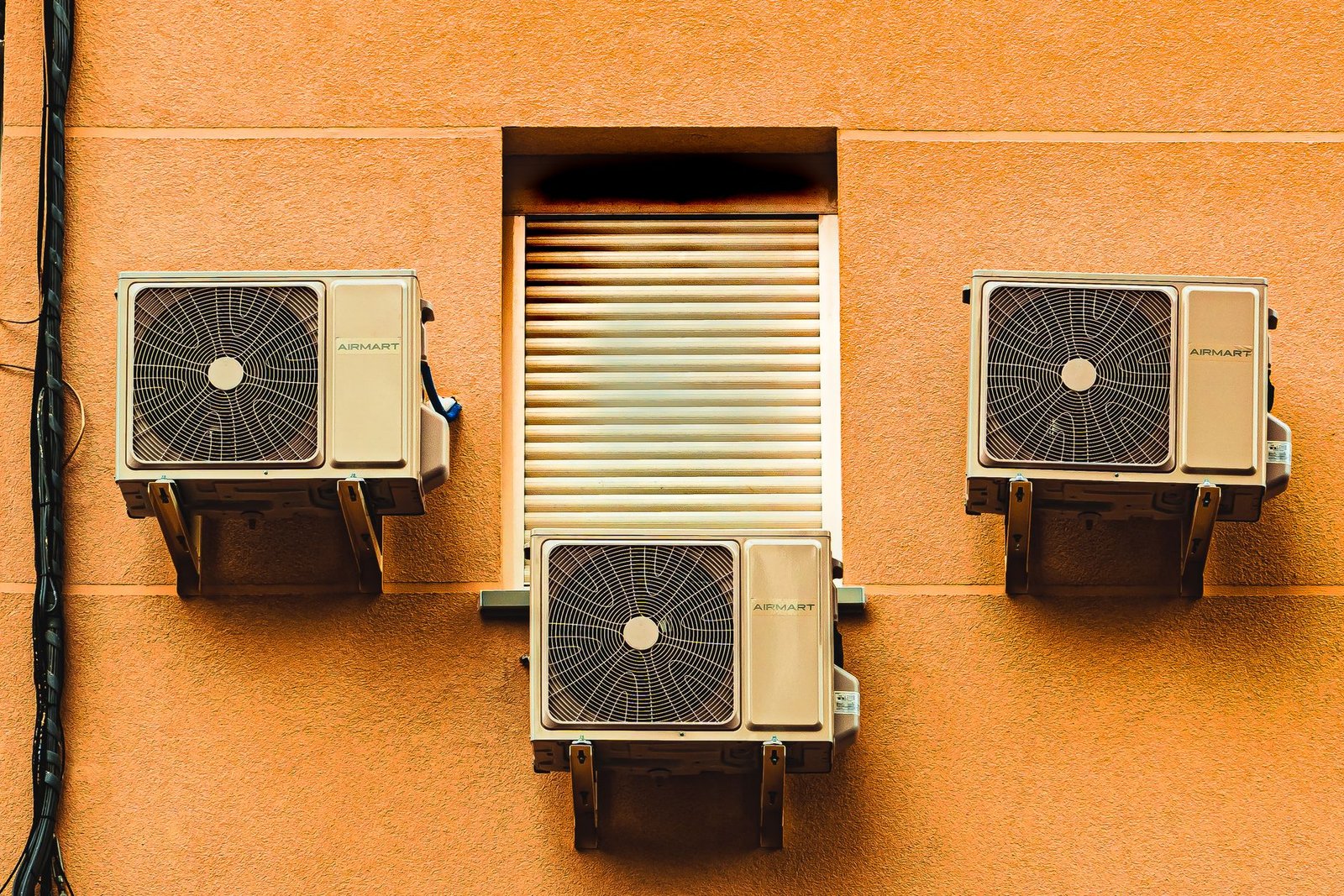
Improving indoor air circulation is crucial for maintaining a healthy and comfortable living environment, especially in residences where opening windows is not always feasible due to external factors like noise, pollution, or extreme weather. Addressing poor indoor air circulation involves implementing strategic mechanical and passive solutions to ensure fresh, filtered air moves consistently throughout the living space, contributing significantly to occupant well-being and home integrity.
Understanding Indoor Air Dynamics
Indoor air circulation refers to the movement and exchange of air within a building. Good circulation prevents the stagnation of air, which can lead to an accumulation of pollutants, allergens, and moisture, fostering an uncomfortable and potentially unhealthy atmosphere. Without adequate airflow, common household activities, material off-gassing, and even human respiration contribute to a buildup of airborne contaminants. This issue is particularly pertinent for modern, tightly sealed homes designed for energy efficiency, which can inadvertently trap stale air. For 2026, the emphasis remains on holistic approaches that integrate advanced technology with fundamental principles of airflow management.
Indicators of Poor Air Circulation
- Persistent Odors: Stale, musty, or lingering cooking smells are a strong indicator.
- Uneven Temperatures: Cold spots or hot spots within a room or between rooms suggest air is not distributing effectively.
- Condensation: Excessive moisture on windows or walls points to high humidity and insufficient air movement.
- Dust Buildup: A noticeable accumulation of dust even after cleaning can indicate inadequate air filtration and movement.
- Increased Allergies/Respiratory Issues: Higher concentrations of allergens and pollutants due to stagnant air can exacerbate these conditions for residents.
Strategic Solutions for Enhanced Airflow
Implementing a combination of active and passive strategies can significantly improve indoor air circulation without reliance on open windows. These solutions leverage modern technology and smart design principles to create a continuously refreshing indoor climate.
Optimizing HVAC and Ventilation Systems
The heating, ventilation, and air conditioning (HVAC) system is the cornerstone of indoor climate control. For superior air circulation, especially in 2026, several upgrades and optimizations are recommended:
- Regular Maintenance and Filter Upgrades: Annual professional HVAC servicing is paramount. Residents should replace filters every 1-3 months with MERV 13 or higher-rated filters. In 2026, HEPA-grade filters are increasingly accessible for residential systems, offering superior particle removal without significantly impeding airflow in modern units.
- Zoned HVAC Systems: These systems allow for independent temperature control in different areas of the home, promoting more efficient air distribution based on occupancy and needs, rather than a single thermostat attempting to regulate the entire property.
- Energy Recovery Ventilators (ERVs) and Heat Recovery Ventilators (HRVs): These systems are excellent for introducing fresh outdoor air while minimizing energy loss. ERVs transfer both heat and moisture, making them ideal for all climates, while HRVs primarily transfer heat. They ensure a steady supply of fresh, filtered air without needing to open windows.
- Ductwork Inspection and Sealing: Leaky or improperly sized ductwork can drastically reduce system efficiency and air delivery. Professional inspection and sealing of ducts can restore optimal airflow and prevent contaminants from entering the air stream.
Leveraging Smart Fans and Air Movers
Beyond central HVAC, targeted fan usage plays a vital role in localized air circulation and broader distribution.
- Ceiling Fans: Operating ceiling fans clockwise in winter on a low setting gently pushes warm air down, and counter-clockwise in summer creates a cooling breeze. These should be strategically placed to complement HVAC flow.
- Portable Air Circulators: Unlike oscillating fans that just move air side-to-side, air circulators are designed to create a spiraling vortex of air that bounces off walls and ceilings, effectively moving all the air in a room. Smart models in 2026 offer AI-driven control, adjusting speed based on real-time air quality and occupancy sensors.
- Exhaust Fans: Install or upgrade exhaust fans in bathrooms and kitchens. Modern units feature humidity sensors and automatic timers, ensuring efficient removal of moisture and odors at their source before they spread.
Advanced Air Purification and Filtration
While not strictly circulation, robust air purification systems contribute to ‘freshness’ by removing pollutants from recirculated air, making the circulated air healthier.
- Whole-Home Air Purifiers: Integrated into the HVAC system, these units treat all air passing through. UV-C light purifiers for germicidal irradiation and advanced activated carbon filters for VOC removal are highly effective in 2026.
- Standalone Air Purifiers: High-efficiency particulate air (HEPA) filter units are excellent for specific rooms, trapping microscopic particles like pollen, dust mites, and pet dander. Many 2026 models feature smart sensors that automatically adjust fan speed based on detected pollutant levels.
Modern Material Developments and Smart Home Integration for 2026
The year 2026 brings forward innovations that further support optimal indoor air circulation and quality, integrating seamlessly into modern living.
Biophilic Design and Material Choices
Incorporating elements of nature into interior design can passively support air quality. Living walls or strategic placement of air-purifying plants can contribute to minor air filtration and humidity regulation, though their impact on large-scale circulation is secondary to mechanical systems. Selecting low-VOC (volatile organic compound) paints, finishes, and furniture ensures that fewer pollutants are introduced into the indoor air in the first place, reducing the burden on ventilation systems.
Smart Home Climate Management
The proliferation of IoT (Internet of Things) devices allows for unprecedented control and optimization of indoor environments.
- Smart Thermostats: These devices learn resident preferences and optimize HVAC schedules, often integrating with external weather data to pre-condition spaces. Advanced models now interface with air quality sensors to trigger ventilation or purification cycles automatically.
- Integrated Sensors: Air quality sensors, measuring particulate matter (PM2.5, PM10), VOCs, CO2, and humidity, are becoming standard. These sensors communicate with smart home hubs to activate appropriate fans, purifiers, or ventilation systems in real-time, ensuring proactive air management.
- Automated Ventilation: Systems can be programmed to run at specific times or when certain conditions are met (e.g., after cooking, during peak pollen counts), providing fresh air on demand without manual intervention.
Maintaining Optimal Air Circulation
Sustaining excellent indoor air circulation requires ongoing attention:
- Regular Cleaning: Dusting, vacuuming with HEPA filters, and cleaning HVAC vents prevent pollutant buildup.
- Humidity Control: Using dehumidifiers in humid environments prevents mold and mildew, which can generate spores that circulate in the air. Smart dehumidifiers automatically maintain optimal humidity levels.
- Strategic Furniture Placement: Avoid blocking vents or returns with large furniture. Ensuring clear pathways for air movement allows mechanical systems to function effectively.
By adopting these comprehensive strategies, residents can significantly enhance indoor air circulation, ensuring a continuously fresh, healthy, and comfortable living environment, independent of the need to open windows, and fully optimized for the innovations available in 2026.