
Achieving optimal indoor humidity is fundamental for both resident well-being and structural home integrity. This article explores practical, natural methods to improve indoor humidity levels without relying on electronic devices, focusing on plant choices, strategic ventilation techniques, and effective DIY solutions for a comfortable home environment in 2026. The goal is to guide homeowners in creating a naturally balanced atmosphere, promoting health and preserving the dwelling’s long-term condition.
Understanding Optimal Indoor Humidity for 2026 Homes
The Importance of Balanced Humidity
Maintaining balanced indoor humidity is critical for comprehensive home wellness. When humidity levels are too low, residents may experience dry skin, irritated respiratory passages, and increased susceptibility to static electricity. Prolonged dryness can also negatively impact a home’s structural elements, leading to cracked wood furniture, warped floorboards, and damage to musical instruments or sensitive electronics. Conversely, excessively high humidity fosters the growth of mold, mildew, and dust mites, contributing to allergen exposure and a musty odor. Such conditions can compromise indoor air quality and, over time, lead to significant damage to walls, ceilings, and insulation. The ideal indoor humidity range generally falls between 40% and 60%, a sweet spot that supports both human health and the longevity of the dwelling.
Identifying Humidity Issues
Recognizing the signs of imbalanced humidity is the first step toward effective natural management. For residents experiencing low humidity, common indicators include persistent dry or itchy skin, chapped lips, frequent static shocks, and splintering or cracking on wooden items. Houseplants may also show signs of distress, such as brown leaf tips or wilting. In contrast, high humidity often manifests as condensation on windows, particularly during colder months, and a general feeling of dampness in the air. Visible mold growth on walls, ceilings, or shower curtains, peeling paint, or a persistent earthy smell are strong signals of excess moisture. The resident may also notice an increase in common household pests like silverfish or dust mites. Regular observation of these environmental cues allows for timely and natural interventions.
Naturally Increasing Indoor Humidity
Strategic Plant Integration: Biophilic Design Trends 2026
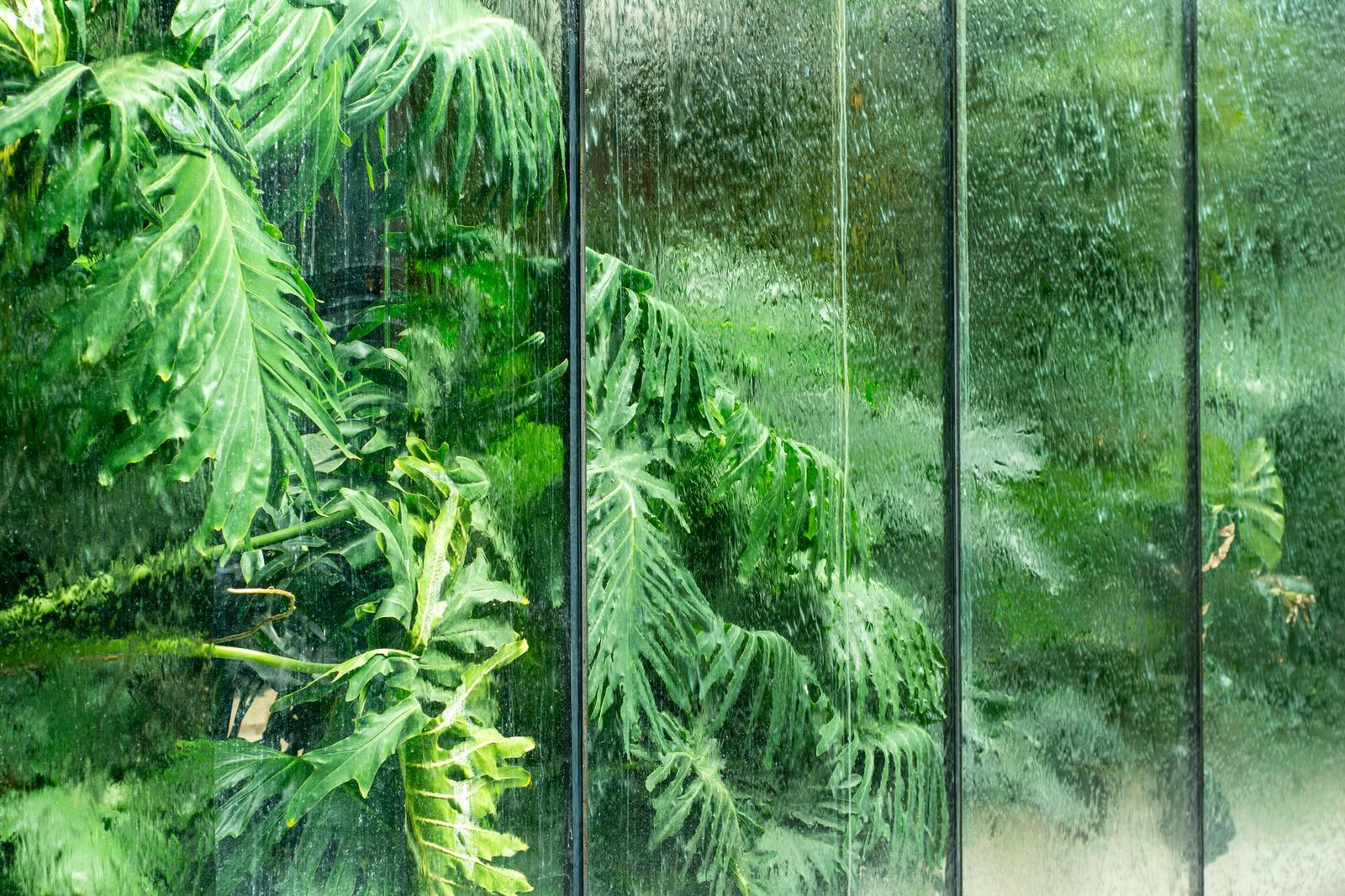
Incorporating specific houseplants is a highly effective and aesthetically pleasing method to naturally elevate indoor humidity through a process called transpiration. As plants absorb water through their roots, a significant portion evaporates from their leaves, releasing moisture into the surrounding air. This aligns perfectly with 2026’s emphasis on biophilic design, integrating natural elements to enhance well-being. For optimal results, the homeowner should select plants known for their high transpiration rates. Excellent choices include the Boston Fern (Nephrolepis exaltata), known for its lush fronds and significant moisture release; the Areca Palm (Dypsis lutescens), a tall, elegant plant that transpires abundantly; and the Spider Plant (Chlorophytum comosum), a resilient option that also helps purify air. Other beneficial plants include the Peace Lily, English Ivy, and Ficus Benjamina. For maximum impact, several plants should be placed together in groups, as this creates a localized microclimate of higher humidity. Modern self-watering planters, often made from moisture-retaining recycled materials, and modular vertical garden systems are prominent trends in 2026, making plant integration even more efficient for the contemporary home.
Harnessing Water Features and Evaporation
Simple household methods can significantly contribute to increasing indoor moisture levels. Placing bowls of water strategically throughout the home, especially near heat sources like radiators or sunlit windows, allows for passive evaporation. Adding decorative stones or essential oils to these bowls can enhance the aesthetic and olfactory experience. Drying laundry indoors on racks, rather than using a dryer, releases a substantial amount of moisture into the air. This method is particularly effective during dry seasons, contributing to both humidity and energy savings. After showering, leaving the bathroom door open for a period allows steam to dissipate into adjacent rooms. Similarly, simmering water on the stovetop, perhaps with citrus peels, cinnamon sticks, or cloves, not only introduces moisture but also creates a pleasant aroma. Small, recirculating indoor fountains or open-top aquariums also serve as continuous, gentle sources of humidity. For these methods, using purified or distilled water can prevent mineral buildup and ensure optimal air quality.
Smart Ventilation and Airflow Management
While often associated with decreasing humidity, strategic ventilation can also be adapted to enhance indoor moisture. During periods of low outdoor humidity, minimizing the use of exhaust fans in kitchens and bathrooms can help retain the moisture generated by daily activities. When the outdoor air is naturally humid and comfortable, opening windows and doors for short periods can introduce beneficial moisture into the dwelling. This approach requires careful monitoring of outdoor conditions. In 2026, many homes are equipped with smart climate systems that provide precise indoor and outdoor humidity data, allowing the resident to make informed decisions about when to open or close windows without relying on active electronic humidifiers. The goal is to allow natural moisture-generating activities, such as bathing or cooking, to contribute to the overall indoor humidity balance without being immediately vented out.
Naturally Decreasing Indoor Humidity
Enhanced Ventilation Strategies
Effective ventilation is the cornerstone of natural humidity reduction. Regular airing out of the home, even for short periods, helps to exchange stale, moist indoor air with drier outdoor air. This is particularly crucial after moisture-generating activities like cooking, showering, or cleaning. Implementing cross-ventilation, by opening windows on opposite sides of the dwelling, creates an airflow path that efficiently expels humid air. Utilizing exhaust fans in kitchens and bathrooms is essential, especially during and immediately after use; advanced humidity-sensing exhaust fans, a growing trend in 2026, can automatically activate when moisture levels rise, ensuring efficient air exchange without manual intervention. Ensuring proper attic and crawl space ventilation also prevents moisture buildup in these critical, often overlooked, areas.
Moisture-Absorbing Materials and Techniques
Certain natural materials possess inherent moisture-absorbing properties that can assist in lowering humidity. Placing open bowls of materials like activated charcoal, baking soda, or rock salt in damp areas such as closets, bathrooms, or basements can passively draw moisture from the air. These materials are cost-effective and environmentally friendly alternatives to chemical desiccants. For residents considering home renovations or new builds, modern material developments in 2026 include advanced lime plasters and breathable wall systems. These materials are engineered to naturally regulate indoor humidity by absorbing excess moisture when levels are high and releasing it when the air becomes too dry, contributing to a more stable indoor climate without active controls. Additionally, ensuring proper insulation and a well-sealed building envelope can prevent outdoor humidity from infiltrating the indoor space.
Addressing Sources of Moisture
Proactive identification and elimination of moisture sources are paramount for effective natural humidity control. The homeowner should regularly inspect plumbing for leaks, both visible and hidden, as even minor drips can contribute significantly to indoor humidity. Ensuring proper drainage around the home’s foundation prevents water from seeping into basements or crawl spaces. During cooking, using lids on pots and pans minimizes steam release into the kitchen air. Drying clothes outdoors whenever weather permits is a simple yet impactful method to prevent laundry-generated moisture from entering the dwelling. Furthermore, ensuring that appliances such as dishwashers and washing machines are properly vented and sealed can prevent unwanted moisture release. Regular cleaning of gutters and downspouts also prevents water accumulation near the home’s structure, reducing the potential for moisture intrusion.
Conclusion
Achieving a naturally balanced indoor humidity level is an attainable goal for any homeowner in 2026. By strategically integrating moisture-transpiring plants, utilizing simple evaporative techniques, and implementing mindful ventilation strategies, residents can effectively increase indoor humidity. Conversely, by optimizing ventilation, employing natural desiccants, and diligently addressing moisture sources, excess humidity can be naturally mitigated. These methods, rooted in sustainable practices and enhanced by modern material insights, offer a holistic approach to creating a healthier, more comfortable, and structurally sound living environment. Consistent monitoring and thoughtful adjustments empower the homeowner to maintain optimal conditions, fostering long-term wellness and preserving the dwelling’s integrity.