
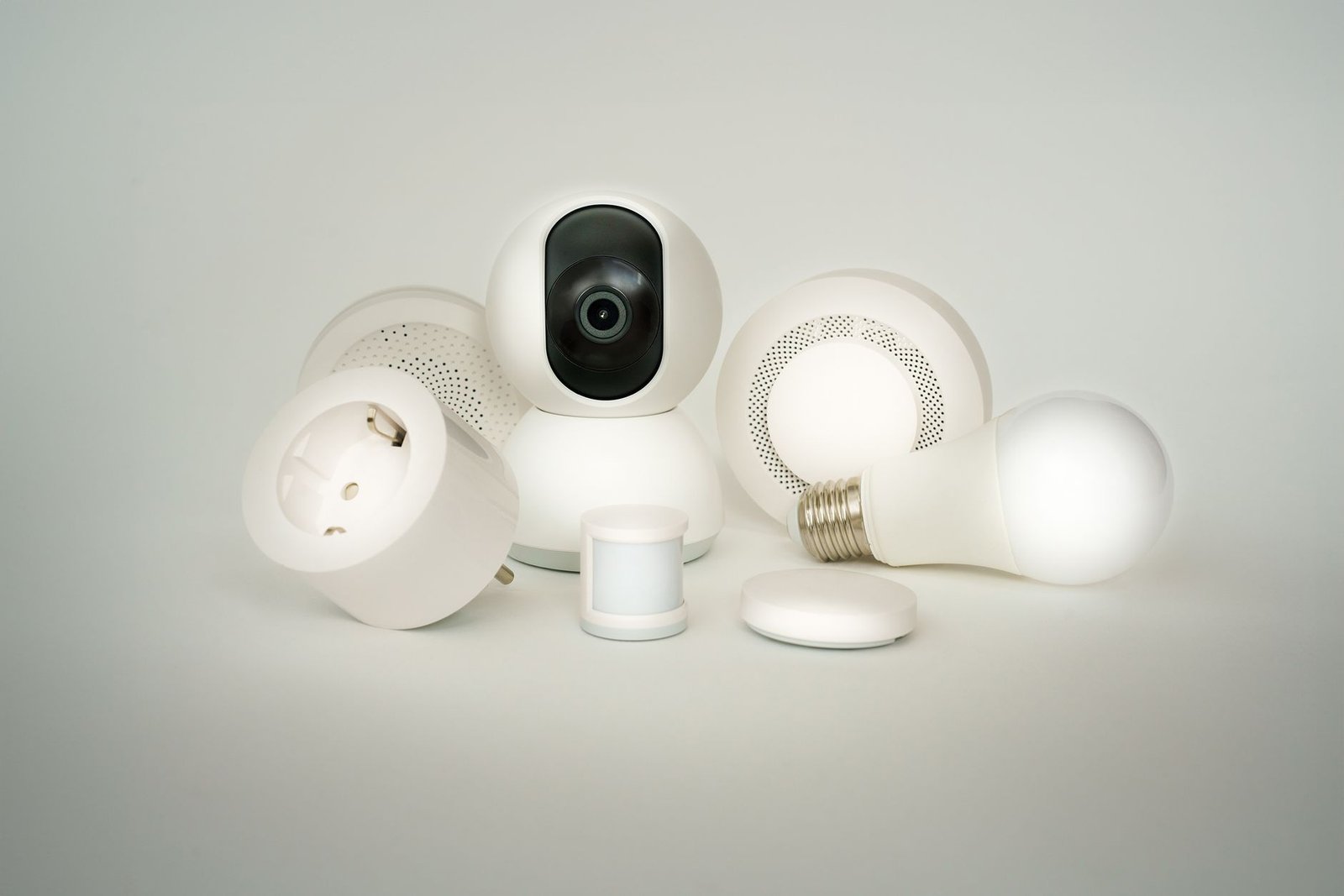
When planning a getaway, the security of the resident’s home often becomes a primary concern. The question of how to deter potential intruders and maintain peace of mind while away is a common one. By leveraging the latest in smart home technology, homeowners can significantly enhance their property’s security and create a convincing illusion of occupancy. These five smart automation routines offer proactive solutions to safeguard residences, ensuring a worry-free vacation experience.
The Imperative of Automated Home Security for Travel in 2026
In 2026, smart home security transcends basic alarm systems, evolving into sophisticated, interconnected ecosystems. The landscape of home protection has been fundamentally reshaped by advancements in artificial intelligence and device interoperability. For residents embarking on a vacation, the strategic deployment of smart devices provides a robust defense mechanism, not merely reacting to incidents but actively deterring them. The peace of mind derived from a home that appears actively lived-in, even when vacant, is invaluable.
Modern smart home platforms, increasingly unified by standards like Matter and Thread, allow for seamless communication between diverse devices. This interoperability ensures that smart lights, blinds, motion sensors, and surveillance cameras work in concert, creating a cohesive security strategy. The reliability of these systems has also matured, with Wi-Fi 7 providing ultra-low latency and enhanced bandwidth, critical for real-time monitoring and rapid response. Furthermore, AI integration has elevated the capabilities of sensors, enabling more accurate detection and reducing false alarms, thereby bolstering overall system effectiveness.
Five Essential Smart Automation Routines for Vacation Security
1. Dynamic Lighting Schedules: Mimicking Natural Presence
The days of simple, timed light switches are long past. Modern smart lighting systems offer dynamic, adaptive schedules that convincingly simulate human activity. Instead of lights turning on and off at predictable intervals, advanced systems learn the resident’s natural patterns of usage—when lights are typically switched on in the living room, when bedroom lights dim, or when exterior lights illuminate. Before departure, the user can activate a ‘vacation mode’ that leverages this learned data, or employ randomized algorithms to vary timings slightly each day, making it difficult for observers to discern an empty property.
By 2026, many smart bulbs are Matter-compatible multi-spectrum LEDs, offering not just brightness and color adjustments but also the ability to mimic natural daylight cycles, further enhancing the illusion. Integration with external ambient light sensors can also ensure lights activate only when genuine darkness falls, adding another layer of realism.
2. Intelligent Blind and Shade Control: Responsive Privacy
Automated window coverings play a crucial role in creating a lived-in appearance and protecting privacy. Smart blinds and shades can be programmed to open and close throughout the day, mirroring a typical household routine. For instance, bedroom blinds might open later in the morning and close earlier in the evening, while living room blinds follow a different schedule. This dynamic movement prevents the static, uninhabited look of a vacant home.
Beyond simple scheduling, advanced systems integrate with internal and external light sensors. On a sunny day, blinds might partially close to prevent excessive heat gain, a trend aligned with increasing energy efficiency in 2026. Developments in materials include self-tinting electrochromic glass for windows, which can dynamically adjust opacity, and smart textile blinds that might even integrate tiny solar cells to self-power, reducing reliance on battery replacements. These systems are often synchronized with smart lighting, ensuring a seamless visual effect from both inside and outside the property.
3. Occupancy Simulation with Audio and Visual Cues
The illusion of occupancy extends beyond just lights and blinds. Incorporating audio and visual elements can significantly enhance the effectiveness of a vacation security routine. Smart speakers can be programmed to play ambient sounds, such as radio broadcasts, podcasts, or even pre-recorded conversations, at natural times of the day. The key is randomization and varying the duration and volume, preventing repetitive patterns that might betray an empty home.
Similarly, a smart television can be scheduled to turn on and play content for a period in the evenings, with the glow visible through windows. Modern smart TVs offer ‘ambient mode’ features that can cycle through art or scenery, adding to the subtle impression of activity. When combined with dynamic lighting, these audio-visual cues create a multi-sensory deception, making the residence appear genuinely occupied.
4. Advanced Motion Detection and Alert Systems
While simulating occupancy deters casual observation, robust motion detection provides the frontline defense against actual intrusion attempts. Current systems (2026) are significantly more intelligent, leveraging AI-powered person detection to differentiate between humans, pets, and passing vehicles, drastically reducing false alarms. Perimeter security is enhanced with outdoor motion sensors, including advanced LIDAR and thermal imaging capabilities, offering precise detection even in challenging weather conditions.
Upon detecting suspicious activity, these systems can trigger a cascade of responses: instant notifications to the homeowner’s smartphone, activation of smart cameras to record footage, and integration with smart sirens to emit a deterrent sound. The seamless linkage with smart lighting can also cause specific lights to flash or brighten, drawing attention to the area of concern. Some advanced systems can even notify local security services directly, offering an immediate professional response.
5. Remote Access and Smart Lock Management
Remote access to smart locks offers both security and convenience for homeowners on vacation. Residents can remotely check the status of their doors, ensuring they are locked after departure, and rectify any oversights from anywhere in the world. For trusted individuals, such as pet sitters, housekeepers, or family members, one-time or time-limited access codes can be generated, eliminating the need for physical key exchanges.
Upon returning home, the user can benefit from advanced biometric integrations, such as fingerprint or facial recognition-enabled smart locks, offering a seamless and secure re-entry. The ability to monitor entry and exit logs provides a comprehensive audit trail, adding an extra layer of security. This level of control ensures that only authorized personnel can access the property, with every entry and exit meticulously recorded and managed.
Integrating and Optimizing Smart Home Ecosystems for Enhanced Security
The Power of a Unified Platform
The true strength of a vacation security strategy lies in the seamless integration of all smart devices. The fragmentation that once plagued the smart home market is receding, thanks to universal standards like Matter and Thread, alongside robust Wi-Fi 7 networks. These technologies ensure that devices from different manufacturers can communicate and cooperate effortlessly, all managed from a single, intuitive application or central hub (e.g., Apple HomeKit, Google Home, Samsung SmartThings). This unified control simplifies routine creation and provides a holistic view of the home’s security status, eliminating the need to toggle between multiple apps.
AI-Driven Adaptability and Predictive Analytics
Beyond simple automation, modern smart home systems utilize AI to learn and adapt. Over time, these systems can analyze the resident’s habits and environmental factors, then intelligently adjust routines for maximum effectiveness and realism. For instance, if a pattern of dimming lights at sunset is observed, the system might subtly vary the timing based on actual sunset times each day. Predictive analytics can even anticipate potential security risks by analyzing unusual patterns of sensor activity, prompting the system to heighten security measures proactively. This constant, intelligent adaptation makes the illusion of occupancy even more convincing and the security more robust.
Energy Efficiency and Sustainable Smart Security
As sustainability continues to be a paramount concern in 2026, smart home security systems are also becoming more energy-efficient. Many modern devices are designed with low power consumption, and the integration of solar-powered sensors and window coverings is becoming increasingly prevalent. For example, some smart blinds now feature integrated photovoltaic cells that generate enough power to operate, reducing the need for battery replacements and minimizing environmental impact. Residents can enjoy enhanced security without compromising on ecological responsibility, a testament to the evolving design philosophy of smart home technology.
Conclusion
For any resident planning to leave their home for vacation, implementing these five smart automation routines offers an unparalleled level of security and peace of mind. From dynamically choreographed lighting and intelligent blind movements to advanced AI-powered motion detection and remote lock management, the tools available today create a powerful deterrent. By embracing these sophisticated yet user-friendly smart home solutions, homeowners can ensure their property remains secure and appears continuously occupied, allowing them to fully enjoy their time away without the lingering worry of an unprotected residence.