
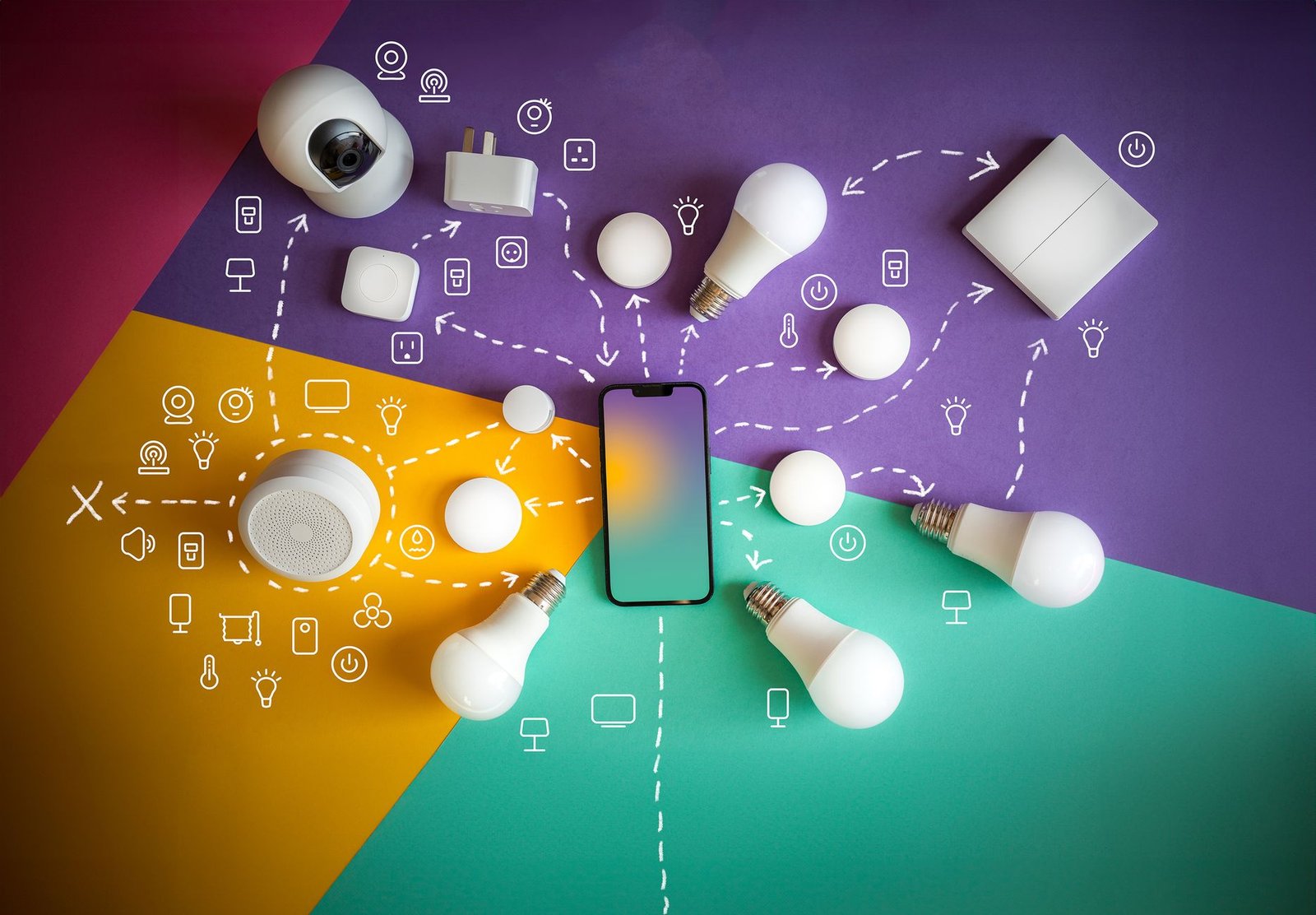
In the rapidly evolving landscape of smart home technology, understanding the underlying communication protocols is crucial for seamless integration and future-proofing residential systems. When considering ‘Matter vs. Thread: Which Smart Home Protocol Dominates in 2026?’, it is essential to recognize their complementary roles rather than viewing them as direct competitors for market dominance. By 2026, Matter has firmly established itself as the dominant application layer protocol for smart home interoperability, providing the universal language for devices to communicate across ecosystems. Simultaneously, Thread has emerged as a dominant and preferred network layer protocol for many low-power Matter-enabled devices, providing the robust, efficient mesh network that Matter frequently leverages for optimal performance.
This synergy is key to the modern smart home. Matter simplifies the user experience by enabling devices from various manufacturers to work together effortlessly, while Thread provides the resilient, energy-efficient backbone crucial for the pervasive, always-on smart devices defining 2026 residences. The homeowner benefits from unprecedented choice, reliability, and ease of setup, making the intelligent dwelling more accessible and powerful than ever before.
Understanding Thread: The Foundation of the Connected Home
Thread is an IP-based, low-power mesh networking technology designed specifically for smart home devices. Unlike traditional Wi-Fi, which can be power-intensive and create congestion, Thread creates a self-healing mesh network where every device can act as a router, extending the network’s reach and robustness. This distributed architecture ensures that if one device fails, the network automatically reroutes communication through other devices, maintaining connectivity and reliability.
Key Attributes of Thread in 2026:
- Low Power Consumption: Thread-enabled devices, often powered by long-lasting batteries, are ideal for sensors, door locks, and climate controls, aligning with 2026’s focus on sustainable and energy-efficient living. Advanced battery technologies and even energy-harvesting solutions are increasingly common for these components.
- Robust Mesh Network: The self-healing nature of Thread ensures consistent connectivity, which is vital for security systems, automated lighting, and environmental monitoring, both indoors and across expansive outdoor landscapes. This reliability is a cornerstone of domestic comfort.
- Scalability: Thread networks can support hundreds of devices, making them suitable for everything from a compact urban dwelling to a sprawling estate with extensive interior and exterior smart features. This scalability is critical for ambitious smart home and landscape designs.
- IPv6 Based: Being built on IPv6 means Thread is inherently future-proof and compatible with the broader internet, facilitating seamless cloud integration and remote access.
Landscape architects, in particular, find Thread indispensable for outdoor installations. From smart irrigation systems embedded in sustainable composite decking to ambient pathway lighting constructed from recycled aluminum alloys, Thread’s ability to create a resilient, low-power network across vast gardens and grounds ensures consistent performance regardless of distance or environmental factors. This allows for innovative biophilic designs where technology seamlessly supports natural environments without cumbersome wiring.
Decoding Matter: The Universal Language of Smart Devices
Matter is an open-source, IP-based connectivity standard that operates at the application layer. Its primary goal is to simplify smart home setup, enhance interoperability, and improve security. Developed by the Connectivity Standards Alliance (CSA), Matter acts as a common language that allows devices from different brands to communicate directly with each other, regardless of the underlying networking technology (be it Wi-Fi, Ethernet, or critically, Thread).
The Transformative Impact of Matter by 2026:
- Unprecedented Interoperability: Homeowners are no longer locked into a single ecosystem. A Matter-certified smart bulb from one manufacturer can be controlled by a smart hub from another, offering unparalleled flexibility in device selection for interior designers and residents alike. This freedom of choice leads to more personalized and effective smart home solutions.
- Simplified Setup and Onboarding: Matter aims to make device pairing as simple as scanning a QR code. This dramatically reduces installation friction, making smart home technology more accessible to a broader audience and saving valuable time for professional integrators.
- Enhanced Security: With standardized security protocols built into Matter, devices are designed to be secure from the ground up, addressing a critical concern for any connected residence in 2026. This fosters greater trust in smart home ecosystems.
- Future-Proofing: As an open standard, Matter is designed to evolve. This means that devices purchased today are more likely to remain compatible with future generations of smart home technology, protecting the homeowner’s investment.
Interior designers leverage Matter to create cohesive living spaces where technology is an invisible servant. Smart lighting panels crafted from translucent ceramic composites, climate control vents flush-mounted into advanced drywall, and integrated entertainment systems all communicate effortlessly. The focus shifts from the technology itself to the comfort, ambiance, and efficiency it provides, enabling personalized scenes and routines that enhance daily life without overt technological presence.
The Symbiotic Relationship: Matter Over Thread Dominates
The