Defining distinct zones and enhancing aesthetics within an open-plan environment presents a common design challenge. For those navigating open concept living in 2026, selecting the right area rugs is a pivotal strategy to achieve both functional separation and cohesive visual flow. This guide explores modern approaches to sizing, shaping, patterning, and placement, ensuring a harmonious and well-defined living space.
The Imperative of Area Rugs in Open Concepts
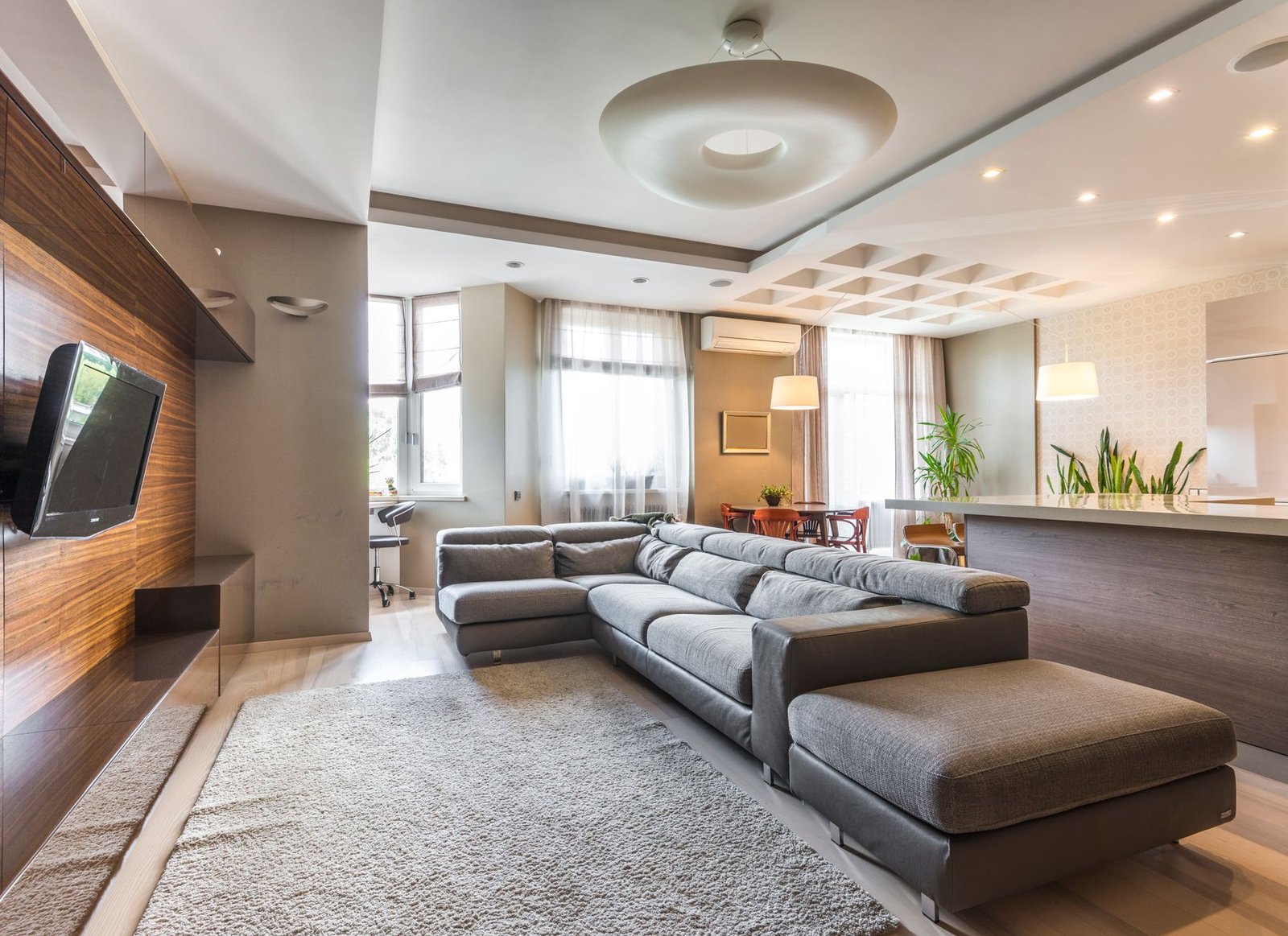
Open concept layouts, while offering a sense of spaciousness, can sometimes feel undifferentiated without proper delineation. Area rugs serve as powerful design tools, acting as anchors that visually segment large areas into distinct functional zones—such as living, dining, or conversation areas—without the need for physical barriers. This technique fosters an intuitive flow while ensuring each designated space maintains its unique identity and purpose. The strategic integration of rugs prevents the space from feeling cavernous or disconnected, instead promoting a cohesive yet segmented environment that enhances both comfort and utility.
Strategic Sizing and Shaping for Zone Definition
The dimensions and form of an area rug are critical in establishing the boundaries and scale of an open concept zone. An incorrectly sized rug can either make a space feel cramped or leave it looking adrift.
The ‘Float’ or ‘Ground’ Rule
- Grounding Furniture: For a cohesive and anchored look, the ideal rug size allows at least the front legs of all major furniture pieces within a zone to rest comfortably on the rug. This ‘grounding’ effect ensures the furniture appears intentionally placed within its designated area.
- Defining a ‘Float’ Zone: In situations where a rug cannot encompass all furniture legs, ensuring all pieces are entirely off the rug, creating a ‘floating’ island, can still define a clear zone. However, this method requires precision to avoid making the rug appear too small.
- Walkway Consideration: Always ensure ample space around the rug’s perimeter for comfortable walkways, preventing any tripping hazards or awkward navigation within the open plan. A minimum of 18-24 inches of bare floor around the rug is generally recommended, depending on the overall room size.
Embracing Non-Traditional Shapes
While rectangular rugs remain popular, 2026 sees an increased acceptance of alternative shapes to inject personality and softness into open layouts. Round or organic-shaped rugs can soften the linear edges often found in contemporary architecture, adding a fluid, inviting element. For instance, a large circular rug can beautifully define a casual conversation nook, while an irregularly shaped rug might complement an art display or a reading corner, breaking visual monotony and guiding the eye through the space.
Pattern, Color, and Texture: Aesthetic Orchestration
Beyond defining zones, area rugs are potent aesthetic tools that contribute significantly to the overall design narrative of an open concept home.
Harmonizing with the Overall Palette
The rug’s color palette should either complement the existing décor for a serene flow or offer a deliberate contrast to act as a focal point. Muted, earthy tones and biophilic-inspired palettes remain strong trends in 2026, promoting tranquility and a connection to nature. Conversely, bold, saturated hues can introduce a vibrant energy, anchoring a specific zone with color intensity.
The Power of Pattern and Texture
Patterns can range from subtle geometric designs that add understated interest to intricate maximalist motifs that serve as a room’s artistic centerpiece. When using multiple rugs in an open space, it is advisable to vary patterns while maintaining a common thread—perhaps a shared color or textural characteristic—to ensure cohesion. Texture, too, plays a vital role. From plush, deep-pile rugs that invite barefoot comfort to flatweave options providing visual crispness, the tactile quality of a rug contributes to the sensory experience of a space. Layering different textures within a single zone can add depth and warmth, a trend that continues to gain traction.
2026 Material Innovations and Sustainability
The rug industry in 2026 is heavily influenced by sustainability, durability, and technological advancements, offering homeowners a plethora of sophisticated choices.
Eco-Conscious Choices
Materials like recycled PET (plastic bottles transformed into soft, durable fibers) are increasingly prevalent, offering an eco-friendly option that is also highly resilient and easy to clean. Natural fibers such as jute, sisal, abaca, and Tencel (a wood pulp-derived fiber) continue to be popular for their organic aesthetics and biodegradability. These materials often feature subtle variations in tone and texture, perfectly aligning with the biophilic design trends of the year.
Durability and Ease of Care
Performance rugs, engineered with enhanced stain, fade, and moisture resistance, are ideal for high-traffic zones in open concepts. Advanced synthetic blends, often incorporating antimicrobial properties, provide both longevity and hygienic benefits, catering to modern lifestyles that demand low maintenance without compromising on style. Innovations in textile technology ensure these robust options can mimic the look and feel of more delicate natural fibers.
Beyond the Traditional: Emerging Materials
While still niche, the concept of ‘smart rugs’ with embedded sensors for subtle heating or ambient lighting elements is gaining exploratory interest, signaling a future where rugs may offer more than just aesthetic and acoustic benefits. For now, the focus is predominantly on material science providing improved comfort, sustainability, and visual appeal through advanced weaving techniques and fiber treatments.
Placement and Layering: Advanced Techniques
Mastering the placement and potential layering of rugs can elevate an open concept design from functional to truly exceptional.
Anchoring Key Areas
- Living Zone: The rug should be large enough to accommodate at least the front legs of the sofa and armchairs, creating a defined island for relaxation and conversation.
- Dining Zone: The rug must be expansive enough for all dining chairs to remain on the rug, even when pulled out from the table, preventing snagging and ensuring comfort.
- Transitional Areas: Smaller, strategically placed rugs can act as visual cues, subtly guiding residents through different zones or highlighting a specific architectural feature.
The Art of Layering
Layering rugs, a sophisticated technique, involves placing a smaller, often highly patterned or textured rug on top of a larger, neutral base rug. This adds complexity, warmth, and a bespoke quality to a zone. For optimal effect, consider contrasting textures (e.g., a sheepskin rug over a jute flatweave) or complementary patterns, ensuring the underlying rug provides a solid foundation for the layered piece.
Conclusion: A Foundation for Flow
In 2026, the careful selection and strategic placement of area rugs remain indispensable for homeowners seeking to maximize the potential of open concept living. By thoughtfully considering size, shape, pattern, color, and embracing modern material innovations, the resident can transform an expansive space into a series of inviting, well-defined, and aesthetically coherent zones. These foundational elements not only enhance the visual appeal but also significantly improve the functionality and overall comfort of the modern home.