
Outdoor living spaces are an extension of the home, offering comfort and style. However, the relentless assault of sun and rain can quickly diminish the beauty and structural integrity of patio furniture. When outdoor pieces begin to show signs of fading, cracking, or water damage, it signifies a need for immediate protective measures. Protecting outdoor furniture from harsh elements is essential for extending its lifespan, preserving its aesthetic appeal, and ensuring long-term enjoyment, especially with the advanced material developments available in 2026.
Understanding the Elements: Sun & Rain’s Impact
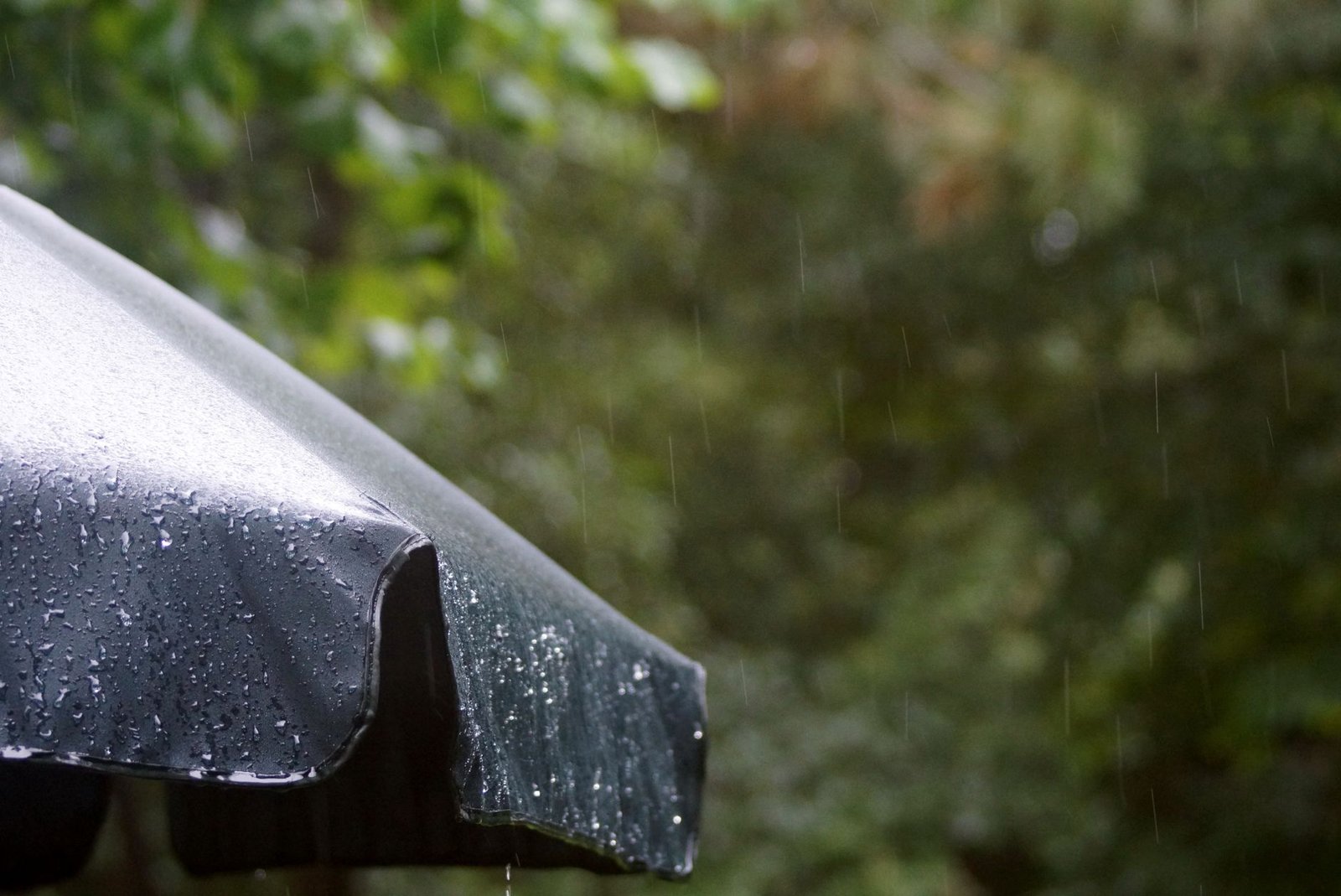
The outdoor environment poses significant challenges to furniture longevity. Ultraviolet (UV) radiation from the sun is a primary culprit, breaking down molecular bonds in materials, leading to color fade, brittleness, and eventual structural degradation. Different materials react uniquely: fabrics lose vibrancy, plastics become chalky, and wood surfaces can dry out and crack. Rain, on the other hand, introduces moisture, fostering mold and mildew growth, causing rust on metal components, and warping or swelling in untreated wood. The cyclical exposure to these elements accelerates wear, making proactive protection not just beneficial, but critical.
Top 5 Strategies for Longevity & Luster
Implementing a multi-faceted approach to protection ensures maximum resilience against environmental stressors. The following five strategies, informed by modern material science and industry best practices in 2026, provide comprehensive defense.
High-Performance Protective Covers
One of the most effective methods for preserving outdoor furniture is the consistent use of high-quality protective covers. Modern covers for 2026 are often crafted from advanced materials like solution-dyed polyester or marine-grade vinyl, treated with UV inhibitors and breathable membranes. These materials offer superior water resistance, UV protection, and mildew resistance while allowing air circulation to prevent condensation build-up. The resident should select covers that fit snugly but allow for airflow, with features like elastic hems, buckles, or drawstrings for a secure fit against wind. Innovations in 2026 include covers with embedded smart sensors that can alert the homeowner to impending weather changes, prompting timely deployment.
Strategic Placement and Shade Solutions
Thoughtful placement of patio furniture can significantly reduce exposure. Positioning pieces under natural shade from mature trees, or utilizing architectural features like pergolas, gazebos, or covered patios, offers immediate relief. For areas lacking permanent overhead cover, portable shade solutions are indispensable. Cantilever umbrellas, with their broad coverage and adjustable angles, remain popular for dynamic sun protection. In 2026, advanced shade sails crafted from UV-stabilized, high-density polyethylene (HDPE) fabrics provide robust and aesthetically pleasing protection. Furthermore, smart umbrellas featuring automated opening/closing mechanisms based on light or wind conditions are becoming more accessible, offering convenience and enhanced protection.
Advanced Sealants and UV Protectants
Applying specialized sealants and UV protectants directly to furniture surfaces forms an invisible barrier against the elements. For wooden furniture, teak sealers or oil-based treatments with UV inhibitors nourish the wood while preventing graying and cracking. For synthetic wickers, plastics, and metals, advanced clear coat protectants, often utilizing nanotechnology for deeper penetration and longer-lasting effects, provide a hydrophobic layer that repels water and screens out harmful UV rays. The homeowner should ensure the chosen product is compatible with the furniture material and applied according to manufacturer instructions, typically after a thorough cleaning. New formulations in 2026 offer enhanced durability, reducing the frequency of reapplication.
Regular Cleaning and Conditioning
A consistent cleaning regimen prevents the buildup of dirt, grime, pollen, and environmental pollutants that can degrade furniture surfaces. Gentle cleaning with mild soap and water is suitable for most materials, followed by a thorough rinse and complete drying. For specific materials: powder-coated metals benefit from non-abrasive cleaners to maintain their finish; woven resin furniture requires gentle brushing to remove debris from crevices; and outdoor fabrics, especially solution-dyed acrylics, should be cleaned with specialized fabric cleaners that preserve water repellency. Regular conditioning, such as applying fabric protectors to outdoor cushions or polishing metal frames, helps maintain their original luster and protective qualities, acting as a crucial preventative step.
Smart Storage Solutions
During prolonged periods of extreme weather, or during off-seasons, storing furniture indoors or in a sheltered location is the ultimate protection. For residents with limited space, compact, foldable furniture designs are increasingly popular in 2026. Furthermore, weather-resistant outdoor storage sheds or deck boxes can house cushions, pillows, and smaller accessories, protecting them from moisture and pests. For larger pieces, covering them thoroughly and moving them to a garage, basement, or dedicated storage unit during winter months in colder climates, or during extended rainy seasons, dramatically extends their lifespan. Utilizing climate-controlled storage for high-value items is an emerging trend for ultimate preservation.
Smart Material Choices for 2026 & Beyond
When selecting new patio furniture, investing in materials engineered for durability is a wise preventative measure. In 2026, several materials stand out:
- Solution-Dyed Fabrics: Leading the market are fabrics like solution-dyed acrylics and polyolefins, where color is added during the fiber production process, making them inherently fade-resistant.
- Marine-Grade Polymer (MGP): This highly durable, non-porous material resists fading, moisture, and warping, ideal for coastal environments.
- Powder-Coated Aluminum: Lightweight and rust-resistant, modern powder coatings offer enhanced chip and scratch resistance with a vast color palette.
- High-Density Polyethylene (HDPE) Wicker: Unlike traditional wicker, HDPE resists UV degradation, cracking, and peeling, mimicking natural fibers without the maintenance.
- Recycled Materials: The trend towards sustainability has spurred the development of stylish and robust furniture made from recycled plastics and composites, often featuring excellent weather resistance.
These advanced materials not only offer inherent protection but also reduce the reliance on extensive maintenance, providing a robust foundation for an enduring outdoor space.
Proactive Maintenance & Seasonal Care
Beyond the five core strategies, a consistent schedule of proactive maintenance is paramount. This includes performing seasonal checks, especially before and after peak usage periods. The homeowner should inspect all frames for rust or damage, check fabric integrity, and ensure all hardware is secure. Spot cleaning spills immediately prevents stains from setting. For residents in regions with distinct seasons, winterizing furniture involves a thorough clean, application of protectants, and proper storage. In warmer climates, a mid-season deep clean and reapplication of UV protectants can significantly boost resistance.
Conclusion
Protecting patio furniture from the ravages of sun and rain is not merely about preserving its appearance; it is about safeguarding an investment and ensuring continued enjoyment of the outdoor sanctuary. By implementing high-performance covers, strategic placement, advanced sealants, regular cleaning, and smart storage, alongside selecting modern, durable materials, the resident can confidently extend the life and beauty of their outdoor living essentials for years to come. In 2026, with cutting-edge materials and smart solutions readily available, achieving a long-lasting, pristine patio setting is more accessible than ever, allowing for uninterrupted domestic comfort and enjoyment.